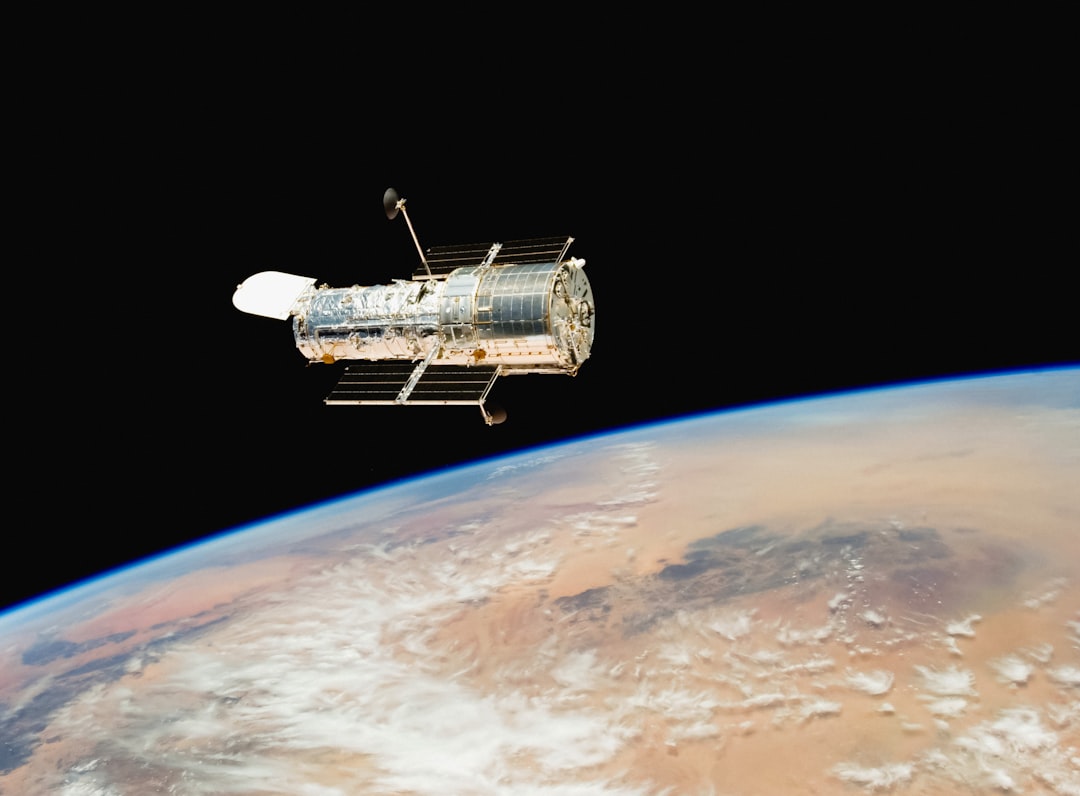
The Nancy Grace Roman Space Telescope Arrives in Florida Ahead of Launch
In a landmark moment for space astronomy, NASA's Nancy Grace Roman Space Telescope arrived at the Kennedy Space Center (KSC) in Florida on June 21st, 2026, marking the beginning of the final phase of its prelaunch preparations. The observatory is now scheduled for liftoff on August 30th, 2026 — a remarkable eight months ahead of its originally planned 2027 launch date — a testament to the dedication and precision of the engineering teams that have brought this ambitious mission to fruition.
The telescope's journey to the launch site was itself a carefully choreographed operation. Roman was first loaded into a specially designed, environmentally controlled transportation container to protect its sensitive optics and instruments from vibration, humidity, and contamination. The container was then shipped from the Space Telescope Science Institute (STScI) in Baltimore, Maryland, where much of the telescope's integration and testing took place. From there, NASA's Pegasus barge — a dedicated heavy-lift cargo vessel used to transport oversized spacecraft components — carried the observatory down the Eastern Seaboard to Cape Canaveral, where it was carefully unloaded and transferred to the Kennedy Space Center.
"Roman's arrival in Florida represents a pivotal milestone — the culmination of years of engineering, innovation, and scientific ambition. We are on the threshold of a new era in observational astronomy."
— NASA Roman Mission Team
Final Launch Preparations at Kennedy Space Center
Upon arrival at the Cape, the telescope was transported to the Kennedy Space Center's Payload Hazardous Servicing Facility (PHSF), a critical facility that recently underwent significant upgrades specifically in anticipation of Roman's arrival. The PHSF is designed to handle spacecraft that require the loading of hazardous propellants — a delicate and highly regulated process that demands exceptional cleanliness and environmental control.
After a thorough series of cleanings to remove any contaminants the observatory may have accumulated during its long coastal voyage, the telescope was transported through the facility's airlock and carefully unboxed in the clean room — an ultra-sterile environment where particulate contamination is measured in parts per million. The telescope was then oriented into a vertical position and moved by overhead cranes to the facility's primary work platform, known informally as "the Pantheon."
Over the coming weeks, a team of highly trained technicians will perform a comprehensive battery of pre-launch checks, including:
- Testing and verifying the functionality of Roman's six solar panels, which will power the observatory throughout its mission
- Thorough inspection of the spacecraft's insulation and thermal blankets, which must maintain precise temperature regulation in the extreme thermal environment of space
- Loading the fuel tanks with approximately 290 gallons (roughly 1,100 liters) of hydrazine propellant, which will be used for orbital maneuvering and station-keeping at its final destination
- Final optical and instrument checkout procedures to confirm all science systems are nominal
- End-to-end communications and telemetry tests with ground control stations
A Telescope Named for the "Mother of Hubble"
The Nancy Grace Roman Space Telescope carries the name of a true pioneer — Dr. Nancy Grace Roman (1925–2018), who served as NASA's first Chief of Astronomy and the agency's first female executive. Roman's career was defined by groundbreaking contributions to observational astronomy, particularly during the 1960s and 1970s, when she made significant advances in the classification of stars and the study of stellar motions. Her meticulous work helped lay the observational foundation upon which much of modern stellar astrophysics is built.
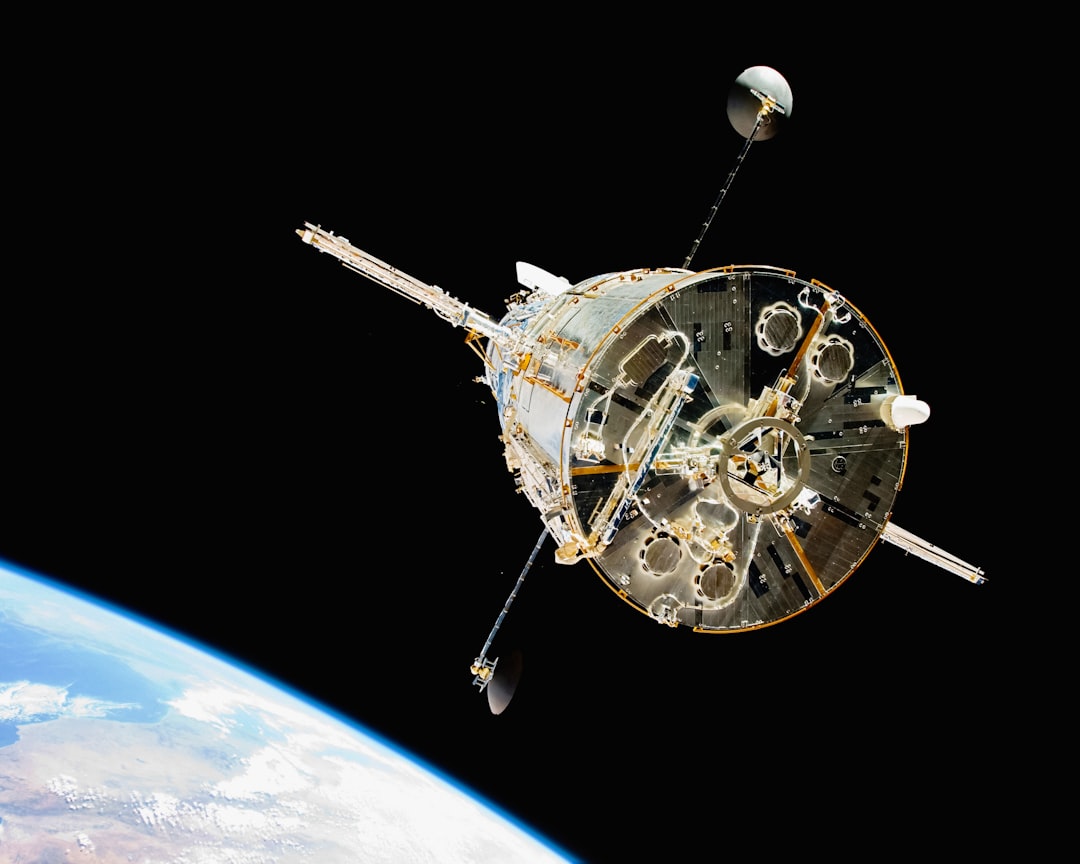
Beyond her research, Roman was a fierce and tireless advocate for space-based observatories, recognizing early on that only by lifting telescopes above Earth's distorting atmosphere could astronomers unlock the universe's deepest secrets. Her institutional championing of the concept eventually led to the development and launch of the Hubble Space Telescope, which has since become one of humanity's most iconic and scientifically productive instruments. It is therefore both deeply symbolic and entirely appropriate that Hubble's most direct scientific successor should bear the name of the woman history has come to call the "Mother of Hubble."
Learn more about Nancy Grace Roman's legacy at the official NASA Roman Space Telescope website.
A Revolutionary Wide-Field Observatory at the Edge of the Solar System
Once launched, Roman will travel approximately 1.5 million kilometers (930,000 miles) from Earth to take up station at the second Sun-Earth Lagrange point (L2), the same gravitational sweet spot currently occupied by the James Webb Space Telescope (JWST). This location offers a thermally stable environment with an unobstructed view of the cosmos, ideal for conducting ultra-sensitive astronomical observations.
Roman's observational capabilities are genuinely extraordinary. Its 2.4-meter (7.9-foot) primary mirror — identical in diameter to the Hubble Space Telescope's — is paired with a Wide Field Instrument (WFI) that delivers a field of view at least 100 times larger than Hubble's. This combination of resolving power and panoramic coverage means Roman can accomplish in a matter of days what would take Hubble decades. Over its planned five-year primary mission, the observatory is expected to detect and measure light from an astonishing one billion galaxies spanning the full breadth of cosmic time.
For further technical details on the telescope's instruments and capabilities, visit the Space Telescope Science Institute's Roman resource page.
Exoplanet Science: Direct Imaging and Atmospheric Characterization
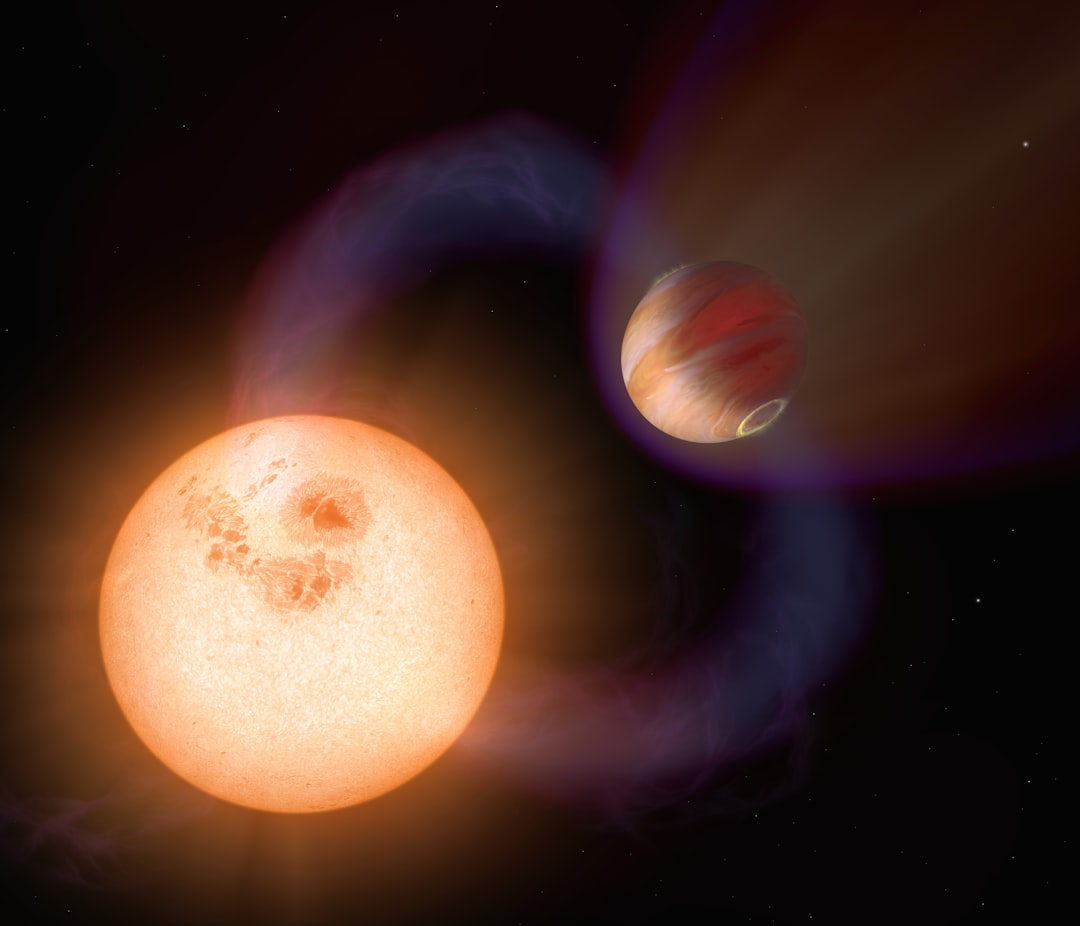
One of the most exciting aspects of Roman's science portfolio is its potential to revolutionize the field of exoplanet research. The observatory is equipped with a sophisticated Coronagraph Instrument (CGI), a technology demonstrator designed to suppress the blinding glare of a host star by a factor of roughly one billion. This capability will allow Roman to directly image exoplanets orbiting in the inner reaches of their star systems — precisely the orbital zones where rocky, potentially habitable planets are theorized to exist.
Over the course of its mission, Roman is predicted to detect more than 100,000 exoplanets using a variety of techniques, including gravitational microlensing, which is uniquely sensitive to detecting planets at orbital distances comparable to our own solar system's architecture. This will dramatically expand the current census of known worlds and add a significant number of potentially habitable candidates to scientists' working lists.
Crucially, Roman's spectrographic instruments will allow researchers to obtain detailed spectra from both transiting and directly imaged exoplanets. By analyzing the specific wavelengths of starlight filtered through or reflected from a planet's atmosphere, scientists can identify the chemical fingerprints of molecules such as water vapor, carbon dioxide, methane, oxygen, and ozone — biosignature gases that could hint at the presence of life. This atmospheric characterization is considered one of the most consequential capabilities in the search for life beyond Earth.
More information on NASA's exoplanet research programs can be found at the NASA Exoplanet Exploration website.
Cosmology at Scale: Dark Matter, Dark Energy, and the Hubble Tension
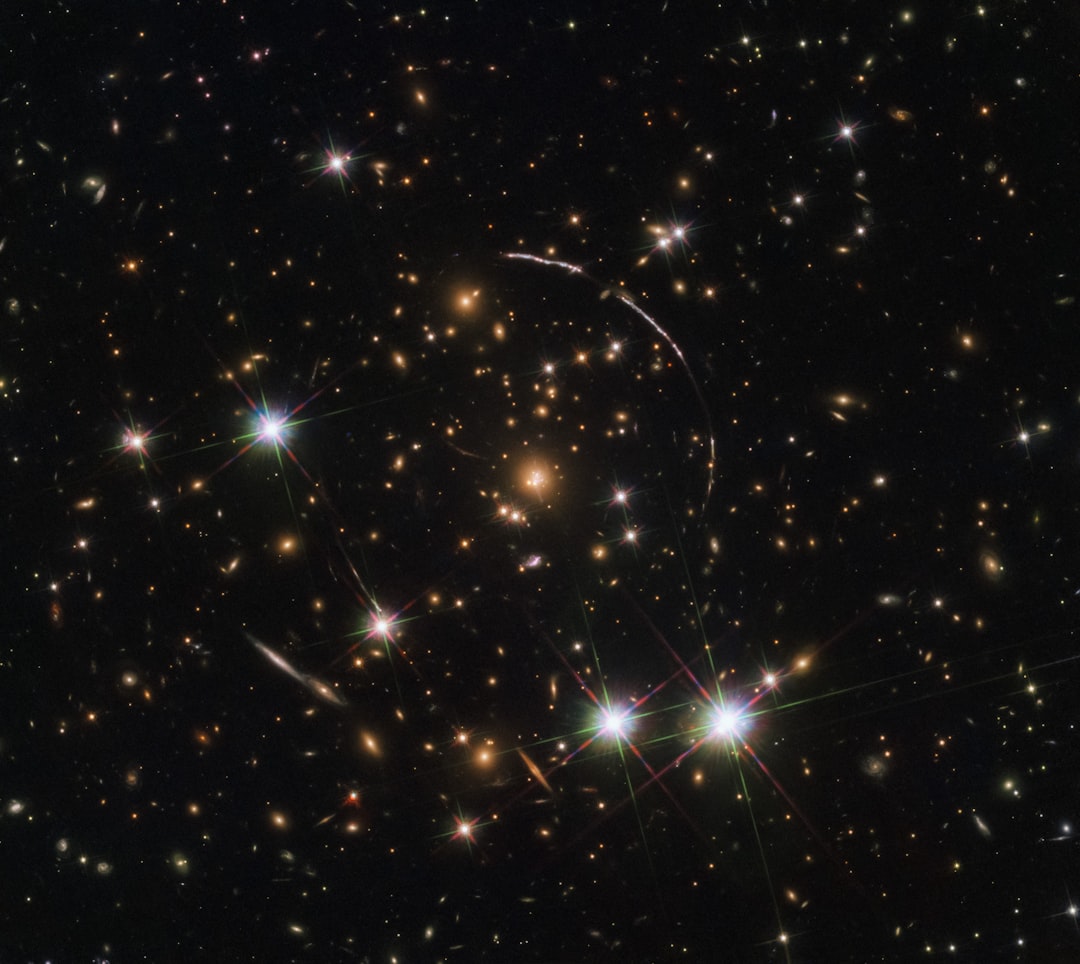
Roman's wide-field survey capabilities position it as arguably the most powerful cosmological instrument ever built. By mapping the large-scale structure of the universe — the cosmic web of galaxy clusters, filaments, and voids — across billions of light-years and multiple cosmological epochs, Roman will provide scientists with unprecedented data to test and refine our fundamental models of the cosmos.
Among its primary cosmological objectives is measuring the rate of cosmic expansion with extraordinary precision. The current value of this expansion rate, known as the Hubble-Lemaître Constant (H₀), is the subject of significant scientific controversy. Measurements derived from the early universe (via the cosmic microwave background) and those derived from local universe observations (via standard candles like Type Ia supernovae and Cepheid variable stars) persistently disagree — a discrepancy known as the "Hubble tension." Roman's ability to observe vast numbers of standard candles and baryon acoustic oscillations across cosmic time may finally resolve this fundamental puzzle.
Furthermore, Roman is designed to probe the nature of Dark Energy — the mysterious repulsive force driving the accelerating expansion of the universe — and Dark Matter, the unseen substance that accounts for roughly 27% of the universe's total mass-energy content. Together, these two phenomena constitute approximately 95% of the cosmos, yet their fundamental nature remains one of the greatest unsolved problems in all of science. Roman's deep, wide-field surveys will constrain the properties of dark energy through weak gravitational lensing, galaxy clustering, and supernova cosmology with a statistical power no previous observatory has been able to achieve.
For a deeper understanding of dark energy and cosmic expansion research, explore the NASA Science Mission Directorate's Roman astrophysics page.
A Bonus Payload: Artemis III Hardware Also Makes the Journey
The Pegasus barge that delivered Roman to Florida was not traveling with empty cargo space. Also aboard was a critical piece of hardware for NASA's Artemis III mission: a weather cover for the core stage of the Space Launch System (SLS) rocket. This protective cover will shield the core stage's sensitive thermal management systems while the rocket waits on Launch Pad 39B before being transferred to the iconic Vehicle Assembly Building (VAB), where it will be stacked and fully assembled in preparation for its launch the following year. Artemis III is slated to return American astronauts to the lunar surface for the first time in over five decades.
For the latest updates on both the Roman mission and Artemis program, visit the official NASA website.
The Dawn of a New Astronomical Era
The arrival of the Nancy Grace Roman Space Telescope at Kennedy Space Center is far more than a logistical milestone — it is the opening act of what promises to be a transformational chapter in humanity's exploration of the cosmos. From probing the atmospheres of potentially life-bearing worlds to charting the invisible architecture of the universe itself, Roman stands poised to answer questions that have captivated astronomers for generations. As the telescope's launch window approaches, the global scientific community watches with anticipation, knowing that the universe is about to reveal a little more of itself.