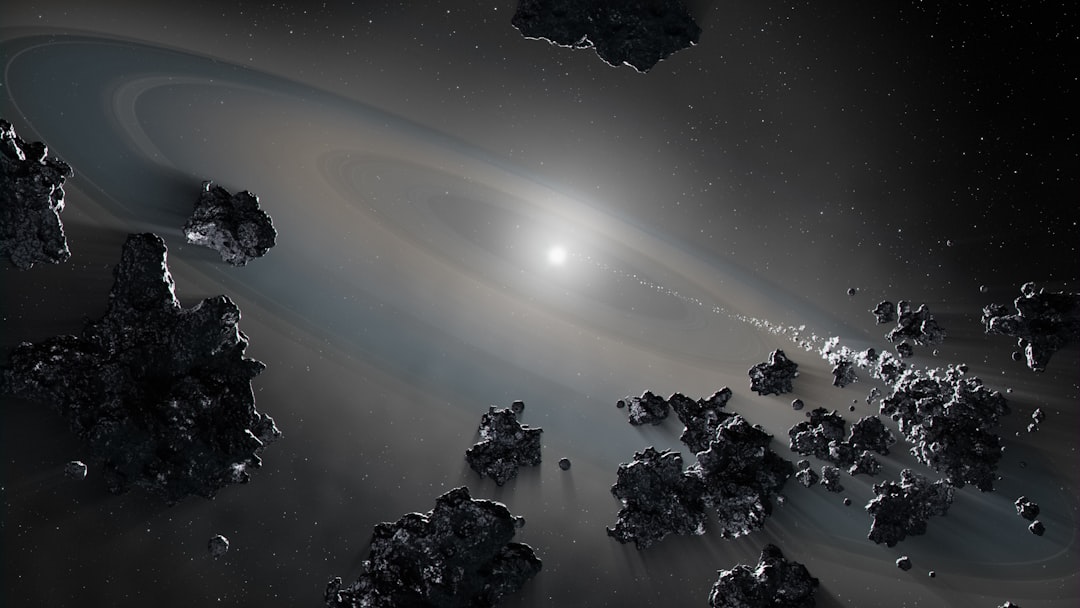
A groundbreaking analysis of lunar samples has fundamentally challenged one of astronomy's most enduring theories about the origins of Earth's vast oceans. For generations, the scientific community has operated under the assumption that our planet's life-sustaining water arrived via a cosmic delivery system—asteroids and comets bombarding the young Earth during a violent epoch known as the Late Heavy Bombardment. However, new research utilizing cutting-edge isotopic analysis techniques has revealed that this long-held belief may be significantly flawed, suggesting that the majority of Earth's water must have originated from an entirely different source.
The revolutionary study, conducted by researchers at the Universities Space Research Association (USRA) and published in the prestigious Proceedings of the National Academy of Science, employed sophisticated triple oxygen isotope measurements on lunar rocks and regolith collected during the historic Apollo missions. Led by Dr. Tony Gargano at USRA's Lunar and Planetary Institute, the research team discovered that even under the most generous estimates, meteoritic impacts during the Late Heavy Bombardment period—approximately 4.1 to 3.8 billion years ago—could have contributed only a minuscule fraction of the water that fills Earth's oceans today. This finding carries profound implications for our understanding of how habitable worlds form and evolve throughout the cosmos.
The Moon as Earth's Ancient Time Capsule
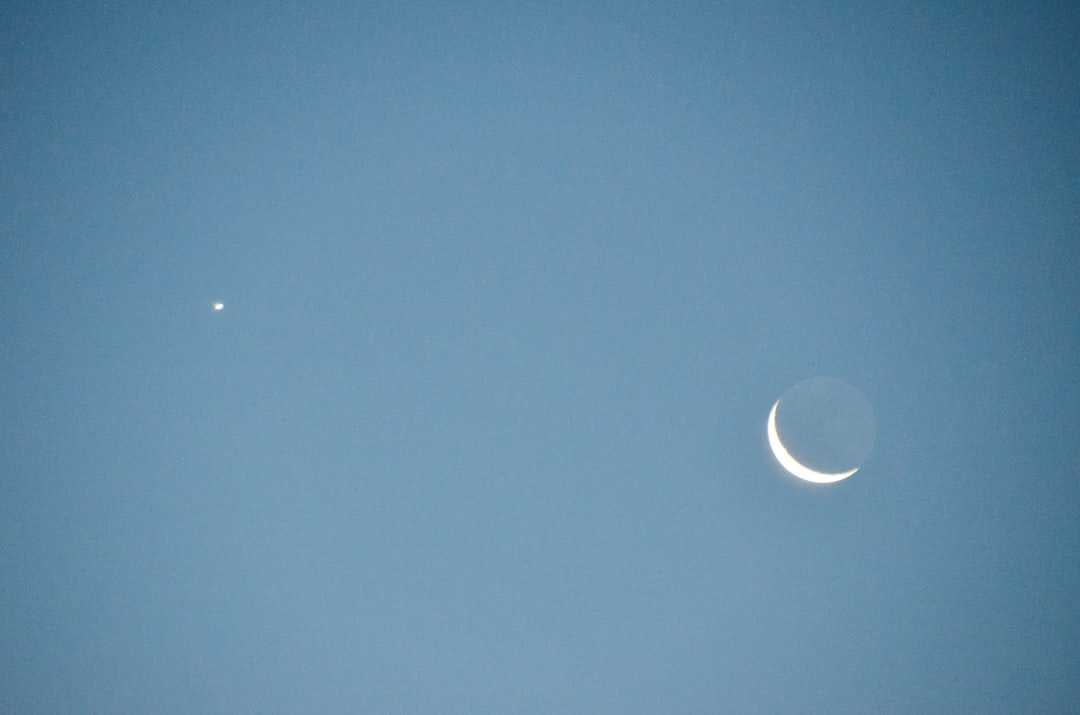
Unlike our dynamic planet, where tectonic plate movements continuously recycle the surface and erase geological evidence of ancient events, the Moon serves as an pristine archive of Solar System history. The lunar surface, devoid of atmosphere and geologically dormant for billions of years, has meticulously preserved the record of cosmic impacts that have shaped the Earth-Moon system since the Late Heavy Bombardment era. This makes our celestial companion an invaluable scientific resource for understanding the bombardment history that Earth itself has long since erased.
For decades, planetary scientists have studied samples returned by NASA's Apollo astronauts to decode this ancient history. Traditional approaches focused on analyzing siderophile elements—so-called "metal-loving" elements that are abundant in meteorites but relatively scarce in the Moon's silicate crust. However, this methodology faces significant challenges due to the complex nature of lunar regolith, which has been repeatedly melted, vaporized, and reworked by countless impacts over billions of years. Additionally, natural geological processes can separate metallic components from silicate materials, making it extraordinarily difficult to reconstruct the original composition and quantity of impacting bodies.
Revolutionary Oxygen Isotope Analysis Technique
Dr. Gargano and his international team of researchers pioneered a fundamentally different approach by focusing on oxygen isotope ratios rather than traditional metal tracers. Oxygen constitutes the largest mass fraction in rocky materials, and its triple-isotope signature provides a powerful tool for distinguishing between two often-confused characteristics in lunar regolith: the addition of impactor material versus the isotopic effects produced by impact-induced vaporization processes.
"The lunar regolith is one of the rare places we can still interpret a time-integrated record of what was hitting Earth's neighborhood for billions of years," Gargano explained. "The oxygen-isotope fingerprint lets us pull an impactor signal out of a mixture that's been melted, vaporized, and reworked countless times. Apollo samples are the reference point for comparing the Moon to the broader solar system."
Using state-of-the-art high-precision mass spectrometry, the research team measured subtle variations in oxygen isotope compositions across a comprehensive suite of lunar samples. Their meticulous analysis revealed that at least 1% of the lunar regolith's mass consists of impact-related material, likely originating from carbonaceous chondrite meteorites—primitive, carbon-rich space rocks that partially vaporized upon striking the lunar surface at hypervelocity speeds.
Quantifying the Cosmic Water Delivery
Based on their oxygen isotope measurements, the researchers established rigorous upper limits on the amount of water that could have been delivered to the Earth-Moon system by meteoritic impactors since the Late Heavy Bombardment. The results were striking: meteorites could have contributed only a tiny fraction of Earth's existing water inventory. To put this in perspective, while oceans cover more than 71% of Earth's surface, water itself accounts for merely 0.023% of our planet's total mass—yet this still represents an staggering 1.46 sextillion kilograms (1.46 × 10²¹ kg), or approximately 1.6 hundred quintillion tons of water.
The discrepancy between what meteorites could have delivered and what Earth actually possesses is enormous. As co-author Dr. Justin Simon from NASA's Astromaterials Research and Exploration Science Division clarified, "Our results don't say meteorites delivered no water. They say the Moon's long-term record makes it very hard for late meteorite delivery to be the dominant source of Earth's oceans."
Alternative Sources for Earth's Oceans
If meteoritic bombardment wasn't the primary source, where did Earth's water originate? The new findings lend support to alternative hypotheses, including the possibility that water was incorporated into Earth during its initial formation from the protoplanetary disk—the rotating disk of gas and dust surrounding the young Sun. Some scientists propose that water molecules could have been chemically bound within the mineral structures of the rocky materials that accreted to form Earth, later being released through volcanic outgassing as the planet's interior heated and differentiated.
Another intriguing possibility involves the role of enstatite chondrites, a rare class of meteorites with oxygen isotope signatures nearly identical to Earth's. Recent studies have shown these meteorites can contain significant amounts of hydrogen, suggesting they might have delivered water during Earth's earliest formation stages, well before the Late Heavy Bombardment period.
Implications for Lunar Water and Future Exploration
While the study suggests meteorites contributed minimally to Earth's oceans, their impact on the Moon tells a different story. The Moon's current water inventory is largely concentrated in permanently shadowed regions (PSRs), typically found in heavily cratered polar areas where temperatures never rise above -173°C (-280°F). The massive South Pole-Aitken Basin—one of the largest and oldest impact structures in the Solar System—contains numerous such regions that have become prime targets for future lunar exploration.
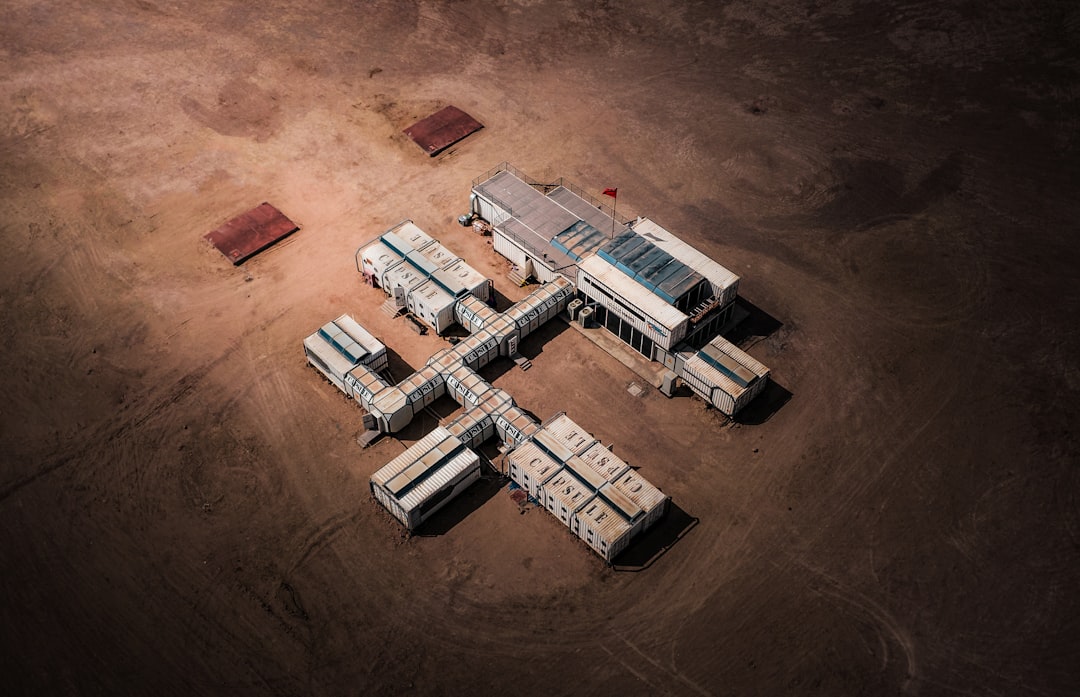
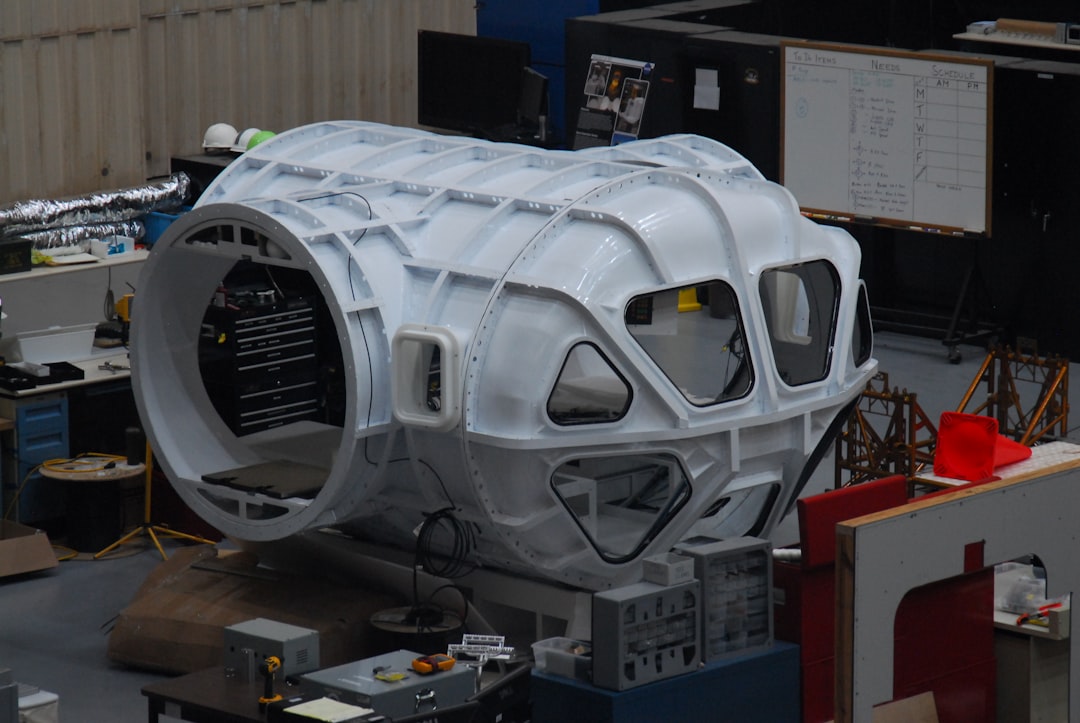
Space agencies worldwide, including NASA, ESA, China's Manned Space Agency, and Roscosmos, have prioritized these polar regions for establishing permanent lunar habitats. The relatively small amount of water delivered by ancient impacts—and preserved in these frozen reservoirs—could prove absolutely critical for humanity's expansion into space. This ice represents an invaluable resource that can provide:
- Life Support Systems: Drinking water and oxygen production for astronauts living and working on the lunar surface
- Agricultural Applications: Irrigation for growing food in controlled environment greenhouses
- Radiation Shielding: Water-based barriers to protect habitats from harmful cosmic radiation and solar particle events
- Propellant Manufacturing: Electrolysis of water to produce liquid hydrogen and oxygen rocket fuel, enabling cost-effective transportation throughout cislunar space
- Scientific Infrastructure: Supporting operations of radio telescopes on the lunar far side, free from Earth's electromagnetic interference
The Next Generation of Apollo Science
This research exemplifies how the scientific legacy of the Apollo program continues to yield transformative discoveries more than five decades after the last astronauts departed the lunar surface. The study brought together expertise from multiple institutions, including the University of New Mexico's Center for Stable Isotopes and Institute of Meteoritics, the Scripps Institution of Oceanography, NASA's Jet Propulsion Laboratory, and the Johnson Space Center's Astromaterials Research division.
As Gargano reflected on his role in continuing this scientific tradition: "I'm part of the next generation of Apollo scientists—people who didn't fly the missions, but who were trained on the samples and the questions Apollo made possible. The value of the Moon is that it gives us ground truth: real material we can measure in the lab and use to anchor what we infer from meteorites and telescopes."
Broader Significance for Planetary Science
Beyond resolving questions about Earth's water origins, this research methodology opens new avenues for understanding volatile element delivery throughout the Solar System. The oxygen isotope approach can be applied to samples from other celestial bodies, including meteorites from Mars and asteroids, helping scientists reconstruct the complex history of how planets acquired their inventories of water, carbon, nitrogen, and other elements essential for life.
Furthermore, these findings have implications for the search for habitable exoplanets orbiting distant stars. Understanding the mechanisms by which Earth became a water-rich, habitable world helps astronomers identify which planetary systems might harbor similar conditions conducive to life. As we discover thousands of exoplanets through missions like NASA's TESS and the upcoming Nancy Grace Roman Space Telescope, knowing whether water delivery requires specific bombardment scenarios or can occur through multiple pathways becomes increasingly important for assessing potential habitability.
Future Directions and Unanswered Questions
While this study places stringent constraints on late-stage water delivery, many questions remain unanswered. Future research will need to address how much water Earth retained from its initial accretion, how efficiently volcanic outgassing released water trapped in minerals, and whether Earth's magnetic field played a role in preventing atmospheric water loss during the planet's early history. Upcoming lunar missions, including NASA's Artemis program and commercial lunar landers, will return fresh samples from previously unexplored regions, potentially providing additional insights into the Moon's bombardment history and volatile inventory.
The study also highlights the critical importance of sample return missions. While remote sensing and robotic analysis provide valuable data, nothing can replace the detailed laboratory analysis possible with physical samples. This underscores the scientific value of planned sample return missions to Mars, asteroids, and eventually other moons in our Solar System, each of which will help piece together the complex puzzle of how planetary systems evolve and become habitable.
As humanity stands on the threshold of returning to the Moon and eventually venturing to Mars, understanding the origins and distribution of water throughout the Solar System becomes not just an academic question, but a practical consideration for the future of space exploration and the possibility of establishing permanent human presence beyond Earth.