The safe return of the Shenzhou-20 crew to Earth on November 14th, 2025 after an unexpected delay marks a significant milestone for China's rapidly advancing space program. The three taikonauts - Chen Dong, Chen Zhongrui, and Wang Jie - spent an extra week in space after their spacecraft sustained damage, likely from an impact with orbital debris. This incident tested the resilience and contingency planning of the China Manned Space Agency (CMSA), demonstrating their ability to adapt to the challenges inherent in human spaceflight.
The Orbital Debris Threat
The suspected cause of the damage to the Shenzhou-20 spacecraft, a collision with space debris, highlights a growing concern for all space-faring nations. Orbital debris, also known as space junk, consists of defunct satellites, spent rocket stages, and fragments from collisions and explosions. According to the European Space Agency, there are an estimated 36,500 objects larger than 10 cm, 1 million objects from 1 cm to 10 cm, and 330 million objects from 1 mm to 1 cm currently in Earth orbit.
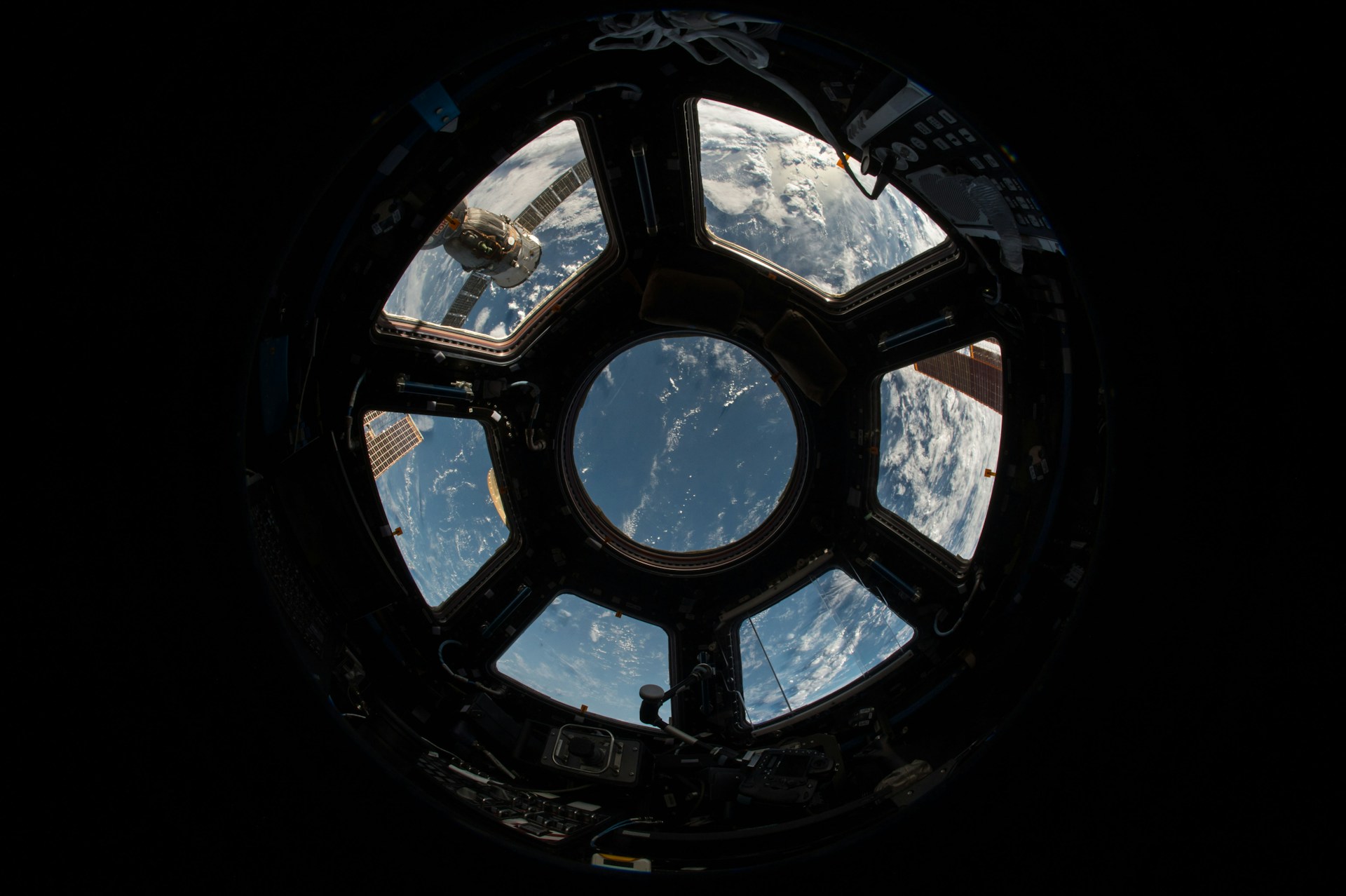
Even small pieces of debris can pose a serious threat to spacecraft due to the high orbital velocities involved. The International Space Station (ISS) regularly performs collision avoidance maneuvers to dodge debris, and its modules are reinforced with Whipple shielding to protect against micrometeoroid and orbital debris impacts. The crack in the Shenzhou-20 window, likely caused by a small piece of debris, underscores the need for robust shielding and contingency plans.
"Space exploration has never been easy for humankind. This mission was a true test, and we are proud to have completed it successfully," said Chen Dong to reporters. "China's space program has withstood the test, with all teams delivering outstanding performances... This experience has left us a profound impression that astronauts' safety is really prioritized."
Tiangong Space Station Operations
Despite the setback with Shenzhou-20, operations aboard the Tiangong space station are set to continue uninterrupted. The newly arrived Shenzhou-21 crew, consisting of Zhang Lu, Wu Fei, and Zhang Hongzhang, will take over duties on the station. While their original return vehicle is now unavailable, the China Manned Space Engineering Office (CMSEO) plans to launch the uncrewed Shenzhou-22 spacecraft to provide a return capability for the crew.
The Tiangong space station, whose name means "Heavenly Palace," is a major step forward for China's space ambitions. With the ISS set to retire in the coming years, China hopes that Tiangong and its successor stations will ensure a continued human presence in Low Earth Orbit (LEO). The station will enable a wide range of scientific experiments, technology testing, and international collaboration opportunities.
Crew Achievements and Milestones
The Shenzhou-20 mission, despite its challenges, achieved several notable milestones:
- Record-setting EVAs: Commander Chen Dong completed six extravehicular activities (EVAs), the most by any taikonaut to date.
- Longest Chinese crewed mission: The crew spent more than 200 consecutive days in space, a new record for China.
- First space barbecue: The combined Shenzhou-20 and Shenzhou-21 crews enjoyed the first barbecued meal in space, a moment of camaraderie amidst a challenging mission.
Future of China's Space Program
The successful handling of the Shenzhou-20 incident showcases the growing maturity and capability of China's space program. As China continues to ramp up its space station operations and lunar exploration plans, its ability to deal with unexpected challenges will be crucial. The country has outlined ambitious goals, including establishing a long-term presence on the Moon and conducting crewed missions to Mars.
China's advances in space are also spurring increased international collaboration and competition. NASA is working to return humans to the Moon through the Artemis program, while several other countries, such as India and the United Arab Emirates, are expanding their space capabilities. As more nations venture into space, the need for international cooperation, space traffic management, and debris mitigation will only grow.
The Shenzhou-20 crew's safe return is a testament to China's commitment to its space program and its ability to overcome the challenges inherent in human spaceflight. As the country continues to push the boundaries of space exploration, its successes and setbacks will provide valuable lessons for the global space community. With careful planning, international collaboration, and a focus on sustainability, humanity can look forward to an exciting future in space.