The James Webb Space Telescope (JWST), the most powerful space observatory ever built, is experiencing an unprecedented surge in demand for its observational capabilities as it enters its fifth year of operations. The Space Telescope Science Institute (STScI), responsible for managing JWST's science and mission operations, has received a record-breaking 2,900 individual proposals for the telescope's upcoming observing cycle. This marks a significant increase from the 2,377 proposals submitted last year and more than double the 1,173 proposals received during JWST's inaugural observing cycle. As astronomers worldwide continue to recognize the immense potential of JWST, the competition for its limited observing time has reached new heights.
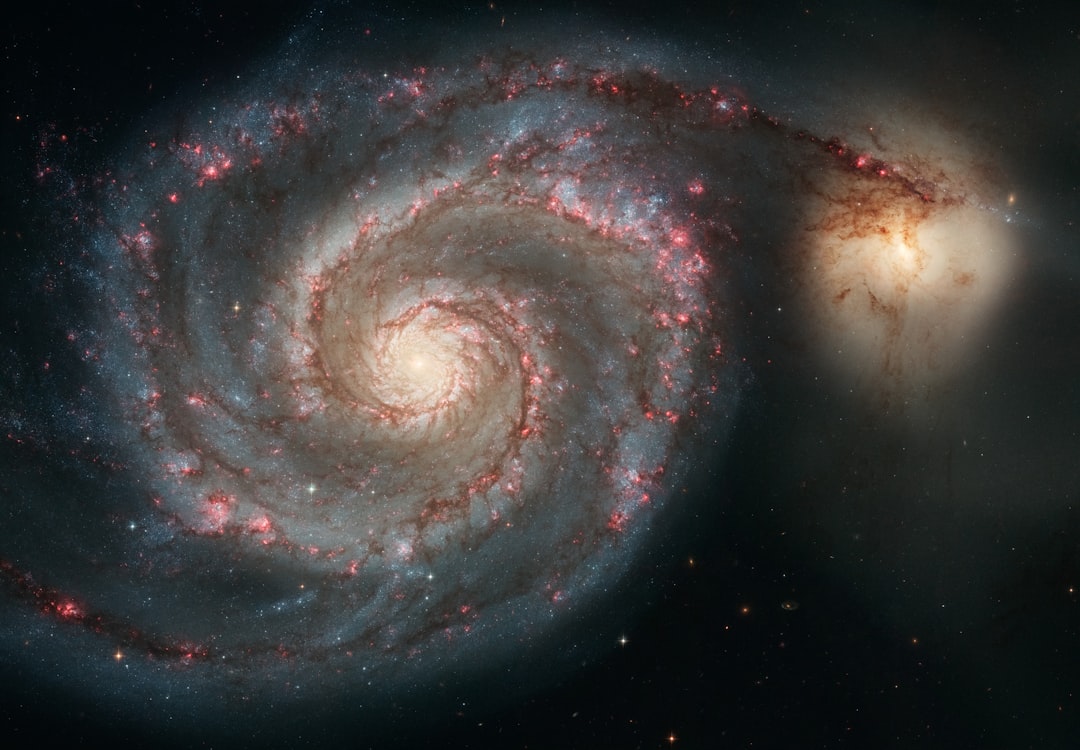
The growing demand for JWST's capabilities is a testament to its groundbreaking design and the revolutionary science it enables. With its unprecedented sensitivity and infrared vision, JWST has already made remarkable discoveries in its first few years of operation, including detailed observations of distant exoplanets, ancient galaxies, and the early universe. The telescope's ability to peer through cosmic dust and reveal previously hidden wonders has captured the imagination of the scientific community and the public alike.
Expanding Scientific Horizons
The fifth observing cycle of JWST introduces new opportunities for astronomers to explore the cosmos in innovative ways. STScI has launched the Long-Term Monitoring Initiative, allowing researchers to propose longer observational studies spanning multiple observing cycles. This feature enables scientists to delve deeper into time-dependent phenomena and track the evolution of celestial objects over extended periods.
"The Long-Term Monitoring Initiative opens up exciting possibilities for studying dynamic processes in the universe. By observing targets over multiple cycles, we can gain unprecedented insights into how cosmic systems change and evolve over time." - Dr. Natalie Batalha, JWST Program Scientist, STScI
Moreover, the fifth observing cycle has attracted a diverse range of proposals from both experienced JWST users and newcomers to the field. The number of unique scientists leading proposals has grown by an impressive 17%, showcasing the telescope's ability to inspire and engage researchers from various backgrounds. This influx of fresh perspectives and ideas promises to push the boundaries of our understanding of the universe even further.
Collaborative Science
JWST's fifth observing cycle also emphasizes the importance of collaborative science. Several dozen proposals require coordination with other world-class observatories, such as the Hubble Space Telescope, the Atacama Large Millimeter/submillimeter Array (ALMA), and the upcoming Nancy Grace Roman Space Telescope. By combining the unique strengths of these facilities, astronomers can conduct multi-wavelength studies and gain a more comprehensive understanding of cosmic phenomena.
The process of selecting proposals for JWST's observing time is a rigorous and impartial one. STScI relies on a dedicated team of 550 volunteer reviewers, known as the Telescope Allocation Committee, to evaluate the scientific merit and feasibility of each proposal. The review process follows a "double-blind" approach, ensuring that the identity of the proposers remains unknown to the reviewers and vice versa. This method aims to minimize bias and ensure that the most promising and impactful science is prioritized.
Maximizing JWST's Scientific Output
With approximately 8,000 hours of observing time available annually, JWST has the capacity to make significant contributions to our understanding of the universe. However, the telescope's immense popularity means that only a fraction of the submitted proposals can be accommodated. STScI estimates that around 8% of the proposals will be selected for the fifth observing cycle, highlighting the fierce competition for this valuable scientific resource.
To maximize the scientific output of JWST, STScI carefully balances the allocation of observing time across various scientific disciplines. The proposals received for the fifth cycle span a wide range of topics, including:
- Exoplanets and habitability: Studying the atmospheres and potential habitability of planets orbiting other stars.
- Early universe and galaxy evolution: Investigating the formation and evolution of the first galaxies and the cosmic dawn.
- Star and planet formation: Examining the birth of stars and planetary systems within dusty stellar nurseries.
- Solar system science: Exploring the diverse bodies within our own solar system, from planets and moons to asteroids and comets.
By carefully selecting proposals that address key scientific questions and leverage JWST's unique capabilities, STScI aims to ensure that the telescope's observing time is used efficiently and effectively.
A Bright Future Ahead
As JWST approaches the end of its minimum designed lifespan, the telescope's future looks brighter than ever. Thanks to the spacecraft's unexpectedly efficient launch and trajectory, engineers now estimate that JWST could remain operational for 20 years or more. This extended mission life opens up countless opportunities for groundbreaking discoveries and long-term scientific investigations.
With each passing observing cycle, astronomers are pushing the boundaries of what is possible with JWST. The telescope's unparalleled capabilities continue to inspire innovative research proposals and attract a growing community of scientists eager to unravel the mysteries of the universe. As JWST enters its fifth year of operations, it stands poised to revolutionize our understanding of the cosmos and provide answers to some of humanity's most profound questions.
"The James Webb Space Telescope is a marvel of human ingenuity and scientific ambition. Its ongoing success is a testament to the dedication and collaboration of the astronomical community worldwide. As we embark on the fifth observing cycle, we can only imagine the incredible discoveries that await us." - Dr. Kenneth Sembach, Director, STScI
The overwhelming demand for JWST's observational capabilities in its fifth year of operations underscores the telescope's immense value to the scientific community. As astronomers continue to push the limits of what is possible with this remarkable observatory, we can look forward to a future filled with groundbreaking insights into the workings of our universe. With JWST leading the way, the next decade of astronomy promises to be a truly golden age of discovery.