Keep an eye on the sky early Monday morning for a spectacular doubleheader: the peak of the annual Leonid meteor shower and a possible second auroral storm. This celestial show offers a rare opportunity to witness two awe-inspiring phenomena in one night, as fast-moving Leonid meteors streak across the sky while colorful aurora potentially dance on the horizon.
The Leonid Meteor Shower
The Leonids, which peak every November, are known for their cyclical outbursts that occur roughly every 33 years. During these outbursts, observers can witness meteor storm levels exceeding 1,000 meteors per hour. While 2025 is an off-year for the shower, several factors make it still worth watching:
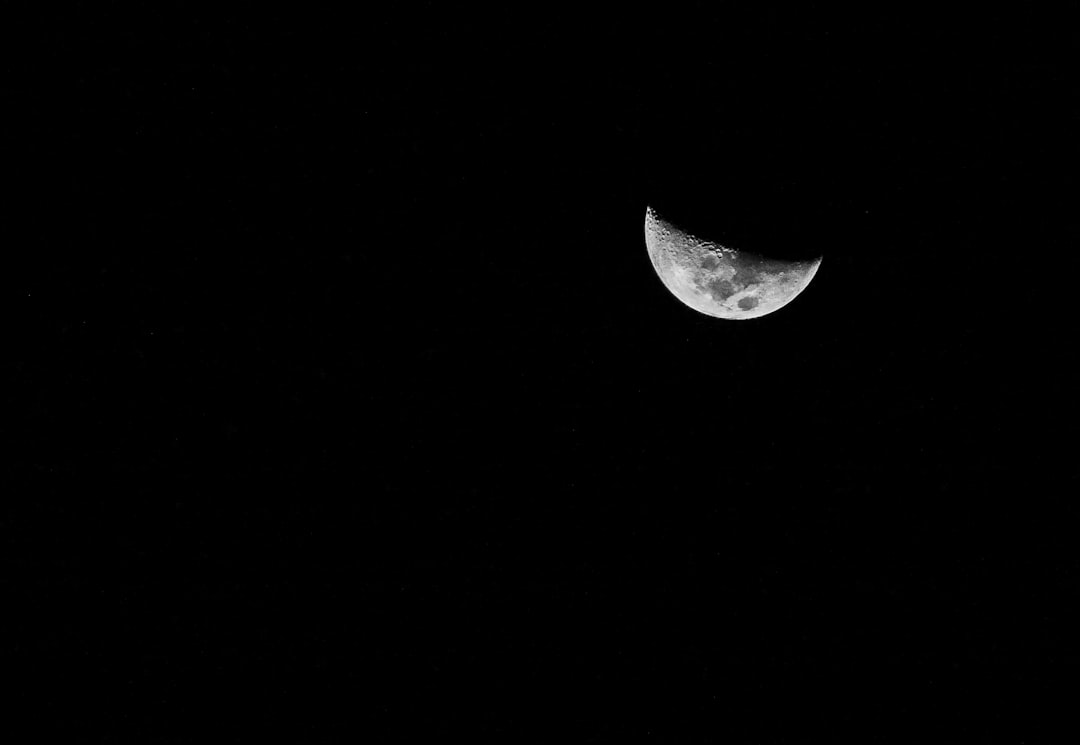
- The Moon will be a slim 6% waning crescent, minimizing interfering moonlight
- We are within a decade of the next expected Leonid outburst peak around 2033
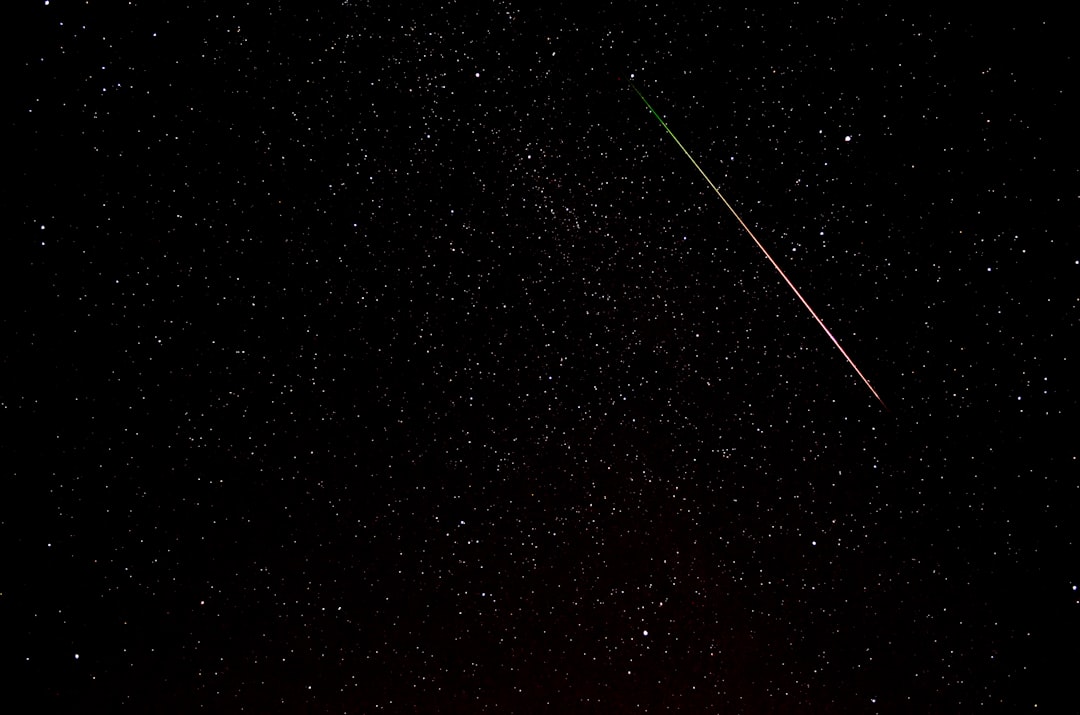
- Even in off-years, the Leonids can produce impressive fireballs that light up the sky
"Looking into an active meteor storm radiant is the one time I had a real sense of hurtling through space, a 'Star Trek' looking-warp speed effect. I'd even put a meteor storm right up there with a great auroral storm and a total solar eclipse, in terms of astronomical events you need to see at least once in your lifetime," said the author, recalling a memorable Leonid outburst witnessed in 1998.
Observing Tips
To maximize your chances of catching Leonid meteors:
- Find a dark location away from city lights
- Look towards the constellation Leo in the eastern sky after midnight
- Dress warmly and give your eyes at least 20-30 minutes to adapt to the darkness
- Relax and patiently watch the sky, as meteors can appear in bursts with lulls in between
Potential Auroral Encore
In addition to the Leonids, skywatchers have another reason to stay up late on Sunday night. The massive sunspot region AR 4274, which triggered a strong geomagnetic storm last Tuesday, unleashed another X-class solar flare on Friday. Although the sunspot is now rotating out of Earth's view, its effects could still deliver a glancing blow to our planet's magnetic field on November 16/17.
If this coronal mass ejection interacts with Earth, it could spark another round of aurora visible at lower latitudes. The previous storm on Veteran's Day produced auroral displays as far south as Florida and Hawaii, so it's worth checking the sky late Sunday night into early Monday morning.
The Science Behind the Leonids
The Leonid meteor shower originates from periodic comet 55P/Tempel-Tuttle. As the comet orbits the Sun every 33 years, it leaves behind a trail of debris. When Earth passes through this debris stream each November, the cometary particles vaporize in our atmosphere, creating the spectacular Leonid meteors.
Leonid outbursts in the 19th century helped establish the connection between meteor showers and comets, advancing the field of meteor science. The 1833 Leonid storm left a particularly strong impression, with estimates of over 100,000 meteors per hour visible from the U.S. East Coast.
Capturing the Moment
For astrophotographers, the combination of a meteor shower and auroral activity presents a unique challenge and opportunity. Capturing a meteor streaking across an auroral backdrop requires patience, skill, and a bit of luck. Tips for photographing the event include:
- Use a sturdy tripod and wide-angle lens to maximize your field of view
- Set your camera to a high ISO (1600+) and use exposures of several seconds to catch meteors
- Take continuous exposures to increase your chances of capturing a meteor
- Compose your shots with interesting foreground elements for added impact
Whether you're a casual skywatcher or a dedicated astrophotographer, the potential for a Leonid meteor and aurora doubleheader makes the night of November 16/17 one to remember. So bundle up, find a clear, dark sky, and witness the celestial wonders the universe has to offer.