Wandering Black Holes May Hold Clues to the Evolution of the Universe
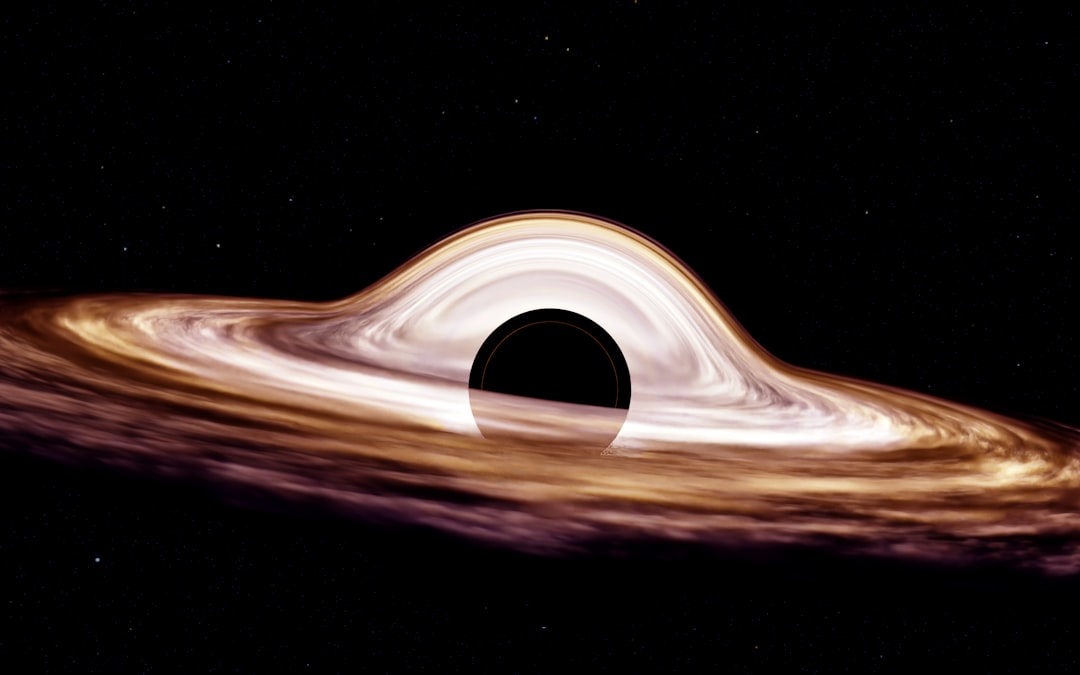
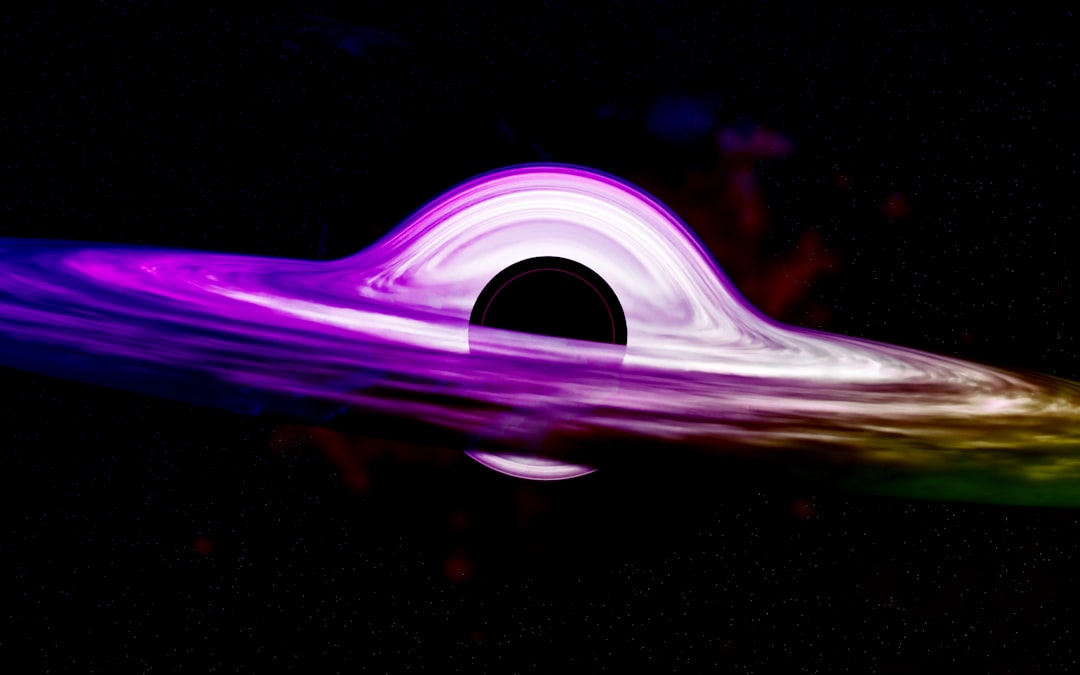
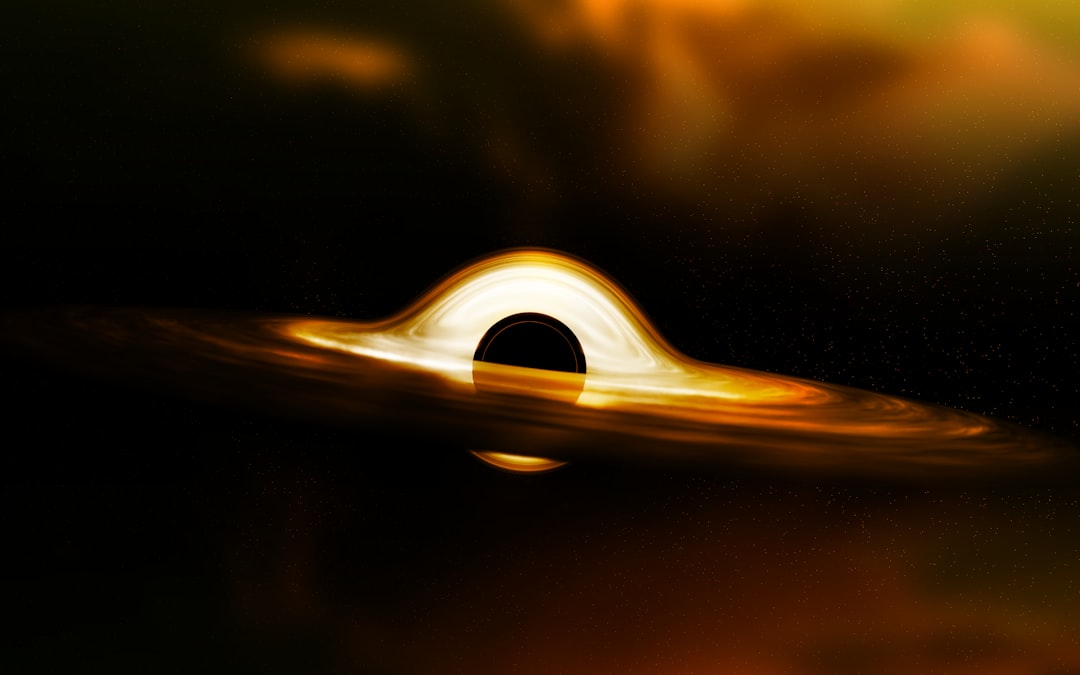
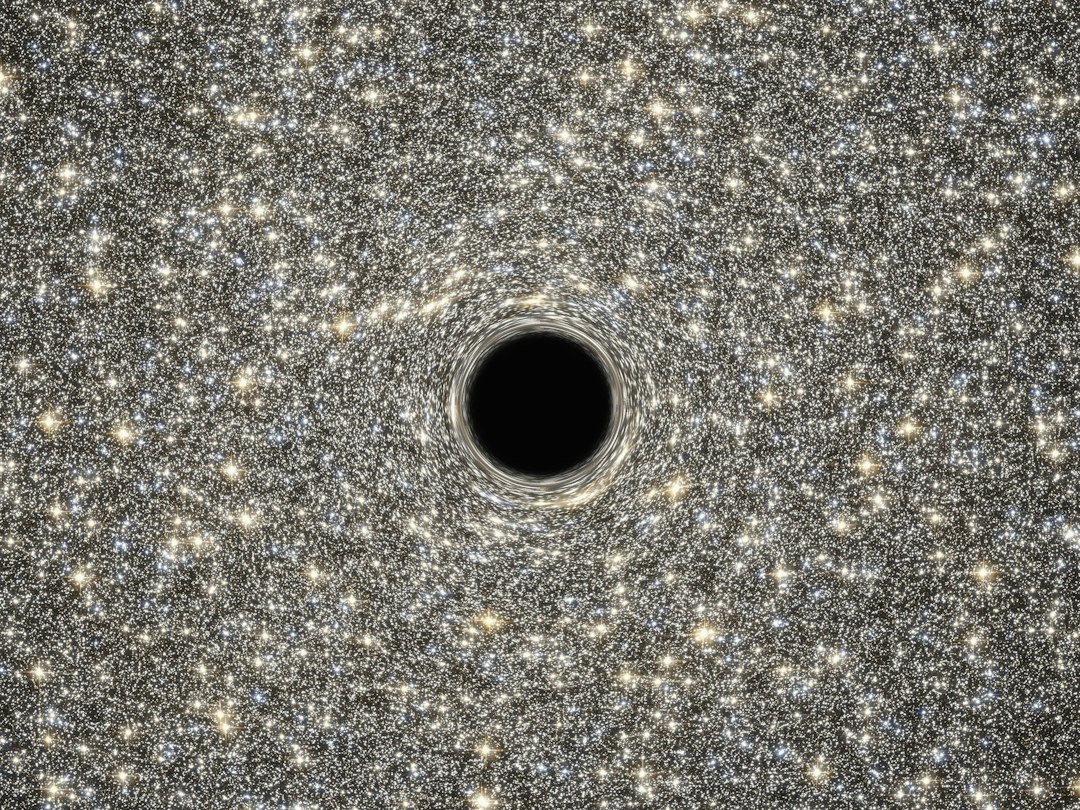
Deep within the vast cosmic web of galaxies, stars, and dark matter, a mysterious class of objects drifts silently through the universe — wandering black holes. Neither anchored to a galactic core nor supermassive in scale, these gravitational nomads travel through the cosmos for billions of years, carrying with them an extraordinary record of the universe's turbulent history. A compelling new study from researchers at Yale University and the University of North Texas now suggests that these wanderers may be among the most scientifically valuable objects in the sky, offering unprecedented insight into how black holes — and the galaxies that host them — came to be.
The study, published in The Astrophysical Journal Letters, was led by Emma Jane Weller, an Astronomy PhD candidate at Yale University, alongside Prof. Priyamvada Natarajan, Chair of Yale's astronomy department and a Professor of Physics, and Dr. Colin J. Burke, a Postdoctoral Fellow affiliated with both Yale and the University of North Texas. Natarajan also serves as a Principal Investigator with Harvard University's Black Hole Initiative, one of the world's leading centers for black hole research.
What Are Wandering Black Holes?
To understand wandering black holes, it helps to first consider their more familiar counterparts. At the heart of nearly every large galaxy lies a supermassive black hole (SMBH) — an object containing millions or even billions of times the mass of our Sun. The Milky Way's own central black hole, Sagittarius A*, weighs in at roughly 4 million solar masses and was famously imaged by the Event Horizon Telescope in 2022. These central black holes are gravitationally bound to their host galaxies, orbiting the galactic nucleus in a stable configuration built over billions of years.
Wandering black holes, by contrast, have been displaced from their galactic centers — most likely through the violent gravitational dynamics of galactic mergers. When two galaxies collide and merge, the gravitational interplay between their respective central black holes can be extraordinarily complex. In some cases, one black hole may receive a gravitational "kick" — a recoil caused by the asymmetric emission of gravitational waves during a merger — or become gravitationally unbound from the new galactic core entirely. The result is a black hole set adrift, wandering through its host galaxy or even through intergalactic space for billions of years.
These wanderers are not supermassive, but they are far from small. They represent an intermediate population — massive enough to have originated as the central black holes of smaller, dwarf galaxies, yet not massive enough to have grown into the giants we observe at the hearts of large elliptical galaxies today.
The ASTRID Simulation: A Virtual Universe
To investigate wandering black holes systematically, the research team turned to ASTRID, a state-of-the-art, high-resolution cosmological simulation suite developed to model the evolution of the universe in extraordinary detail. ASTRID tracks the formation and evolution of stars, dark matter, gas, and black holes from the universe's earliest epochs — just a few hundred million years after the Big Bang — all the way to the present day, spanning approximately 13.8 billion years of cosmic history.
In this study, the team used ASTRID to examine galaxies populated by stars with masses ranging from 10 million to 1 trillion solar masses, tracing their evolution over approximately 12.6 billion years. This broad mass range was crucial, as it allowed the researchers to compare behavior across galactic scales — from tiny dwarf galaxies to massive elliptical behemoths.
One of ASTRID's most scientifically significant features is its treatment of black hole dynamics. Unlike many earlier simulations that automatically anchor black holes at galactic centers as a simplifying assumption, ASTRID explicitly models the gravitational forces that determine black hole trajectories within their environments. This means the simulation can naturally distinguish between black holes that have successfully settled into galactic cores and those that are wandering — a distinction that is essential for understanding the true population of black holes in the universe.
"Our results show that considering wandering black holes, in addition to centered black holes, is essential for understanding the origins and dynamics of massive black holes and the histories of their host galaxies." — Emma Jane Weller, Yale University
The Role of Galactic Mergers
Galaxy mergers are among the most energetic and transformative events in the cosmos. When two galaxies interact gravitationally and eventually coalesce, their stars, gas, dust, and black holes are all subject to enormous tidal forces and gravitational perturbations. For the central black holes of merging galaxies, this can mean one of several outcomes: the two black holes may form a binary system and eventually merge themselves (emitting gravitational waves in the process), or one or both may be ejected from the central region of the newly formed galaxy.
The ASTRID simulation revealed that this process of producing wandering black holes is significantly more pronounced in low-mass galaxies, where the overall gravitational potential well is shallower and less capable of recapturing a displaced black hole. In more massive galaxies, the deep gravitational well tends to pull displaced black holes back toward the center over time. This has profound implications for our understanding of small, dwarf galaxies — long suspected to be critical laboratories for studying early black hole formation.
The findings also revealed a striking connection between a galaxy's star-formation activity and the location of its black hole. Low-mass galaxies that have ceased forming new stars — known as "quenched" galaxies — are more likely to host black holes at their centers, while star-forming low-mass galaxies are more likely to contain wandering black holes. This relationship suggests that black hole position may be intimately tied to a galaxy's broader evolutionary history, including the feedback processes by which black holes regulate star formation in their host galaxies.
Seeds of the Earliest Black Holes
Central to the study's broader significance is the long-standing scientific debate over how the universe's first black holes — the so-called "seed" black holes — came to be. According to the prevailing cosmological framework, the earliest black holes emerged in the very young universe, but the precise mechanism by which they formed and subsequently grew into the supermassive giants we observe today remains one of the most profound open questions in astrophysics.
Two competing theories dominate the field:
- Light Seeds (Population III stellar remnants): The first generation of stars in the universe, known as Population III stars, were composed almost entirely of hydrogen and helium and are thought to have been extremely massive. When these stars died, they may have collapsed into black holes with masses ranging from tens to hundreds of solar masses. Over billions of years, these "light seeds" could have grown through accretion and mergers into the supermassive black holes we see today.
- Heavy Seeds (Direct Collapse Black Holes): An alternative — and increasingly compelling — theory proposes that in regions of the early universe where pristine, metal-free gas accumulated in sufficient quantities without fragmenting into stars, it could have collapsed directly into a black hole with a mass of 10,000 to 100,000 solar masses or more. These "heavy seeds" would have had a significant head start in the growth race toward supermassive status.
Prof. Natarajan is a leading proponent of the heavy seeds theory, also known as the Direct Collapse Black Hole (DCBH) model, and has published extensively on the subject. Her involvement in this study adds significant weight to the interpretation of the ASTRID results in the context of black hole seed formation. Remarkably, the simulation found that low-mass galaxies appear to retain a memory of their initial seed black holes, even after billions of years of growth through mergers and accretion — a finding that could provide the observational community with a roadmap for identifying the imprints of early black hole formation.
"What is exciting about our findings is that black holes seem to remember more than the circumstances of their birth. Their present-day locations carry the imprint of everything that has happened to their host galaxies. By separating black holes at galactic centers from those that are wandering, we can begin to disentangle these two histories. Some of the universe's most revealing black holes may be the ones that have wandered away." — Prof. Priyamvada Natarajan, Yale University
Implications for Observation and Future Research
The theoretical framework established by this study opens exciting new avenues for observational astronomy. Detecting wandering black holes is an inherently challenging task — unlike actively accreting supermassive black holes, which announce themselves as luminous quasars or active galactic nuclei (AGN), wandering black holes may spend most of their existence in relative quiescence, accreting little material and emitting minimal radiation.
Nevertheless, the researchers outline a multi-wavelength observational strategy that could make their detection feasible. Key approaches include:
- Deep X-ray observations: Facilities such as NASA's Chandra X-ray Observatory and the upcoming Lynx mission concept could detect the faint X-ray emission from gas being accreted onto wandering black holes.
- Optical and infrared spectroscopy: Searches for off-nucleus AGN-like signatures in dwarf galaxies using instruments aboard the James Webb Space Telescope (JWST) or ground-based large telescopes could reveal displaced black holes.
- Radio astronomy: Low-frequency radio arrays such as the Square Kilometre Array (SKA) may be able to detect synchrotron emission from jets associated with wandering black holes.
- Tidal Disruption Events (TDEs): When a wandering black hole happens to encounter and gravitationally shred a nearby star, it produces a brilliant, short-lived "flare" of electromagnetic radiation. These transient events — detectable in optical, UV, and X-ray surveys — could serve as beacons for otherwise invisible wanderers.
- Gravitational wave astronomy: Future space-based gravitational wave detectors such as ESA's LISA mission may detect the gravitational wave signals produced when wandering black holes eventually merge with other compact objects.
"Each of these methods can probe different parts of the population. By combining observations with the results from simulations, we may be able to identify the imprints of black hole formation and galaxy evolution." — Emma Jane Weller, Yale University
A New Framework for Understanding Cosmic History
Ultimately, this research represents a significant conceptual advance in how scientists think about the relationship between black holes and the galaxies they inhabit. For decades, the study of supermassive black holes has been largely synonymous with the study of galactic centers. This new work forcefully argues that this is an incomplete picture — that the wandering population, long neglected due to observational and computational limitations, is an essential component of the black hole census of the universe.
As next-generation telescopes and gravitational wave observatories come online over the next decade, astronomers will have unprecedented tools at their disposal to search for these cosmic nomads. If the predictions of the ASTRID simulation hold true, the wandering black holes they find may turn out to be some of the most informative objects in the observable universe — silent, drifting time capsules encoding the entire merger history of their host galaxies and, perhaps, the very first moments of black hole formation in the early universe.
In the words of Prof. Natarajan and her colleagues, the most revealing black holes may indeed be the ones that wandered away. And for the first time, we may finally have the theoretical and observational tools to find them.