Astronomers have unveiled groundbreaking findings that challenge our understanding of supermassive black holes in dwarf galaxies, revealing that these cosmic behemoths are far more prevalent than previously estimated. In what represents the most comprehensive survey of its kind, researchers have discovered that active galactic nuclei (AGN)—the brilliant cores powered by feeding black holes—appear in dwarf galaxies at rates two to five times higher than earlier studies suggested. This revelation, presented at the 247th meeting of the American Astronomical Society in Phoenix, Arizona, fundamentally reshapes our understanding of how black holes form, grow, and influence galactic evolution across cosmic time.
The research team, led by astronomers from the Harvard & Smithsonian Center for Astrophysics and the University of North Carolina at Chapel Hill, analyzed more than 8,000 nearby galaxies using cutting-edge observational techniques that pierce through the obscuring veil of stellar birth. Their findings suggest that the relationship between galaxy mass and black hole activity is more complex than cosmologists had theorized, with profound implications for our understanding of how structures like our own Milky Way assembled over billions of years.
The Brilliant Beacons of the Cosmos: Understanding Active Galactic Nuclei
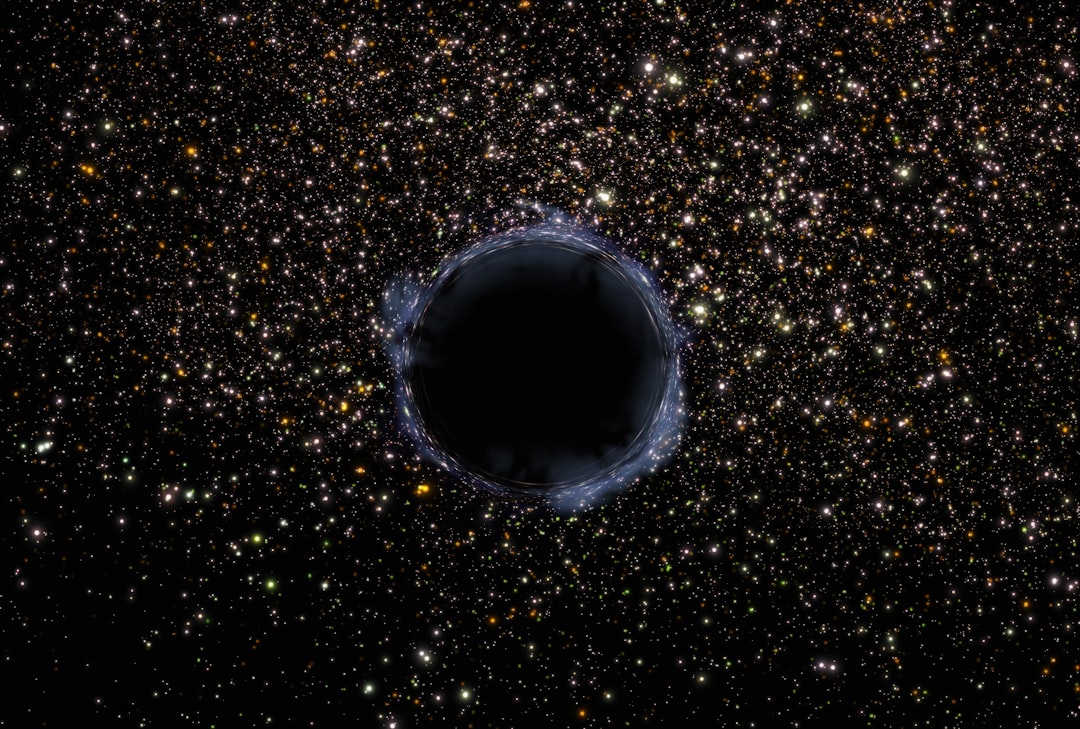
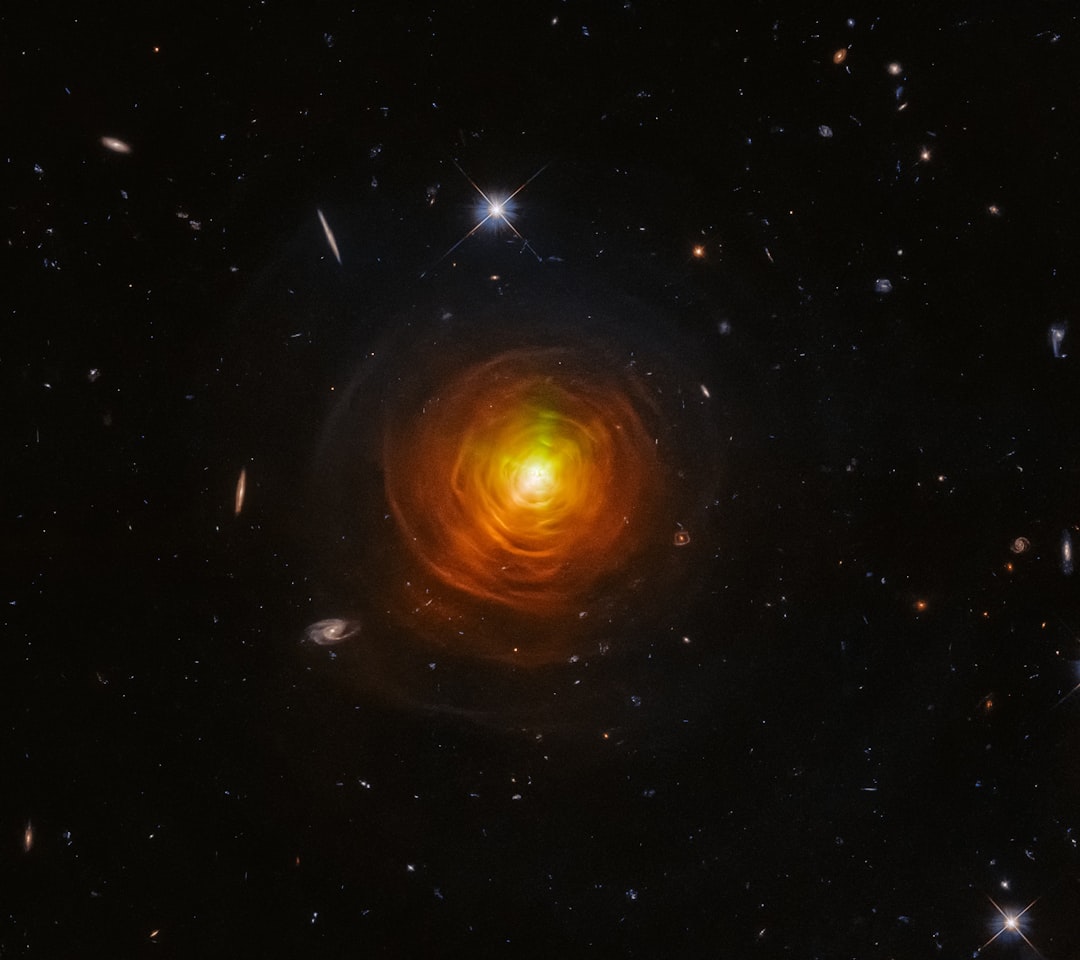
At the heart of this discovery lies one of astronomy's most spectacular phenomena: active galactic nuclei, sometimes called quasars when observed at great distances. These extraordinary objects represent the most energetic sustained sources of radiation in the universe, temporarily outshining the combined luminosity of hundreds of billions of stars in their host galaxies. The mechanism driving this incredible display involves supermassive black holes—gravitational monsters containing millions to billions of times the mass of our Sun—that lurk at galactic centers.
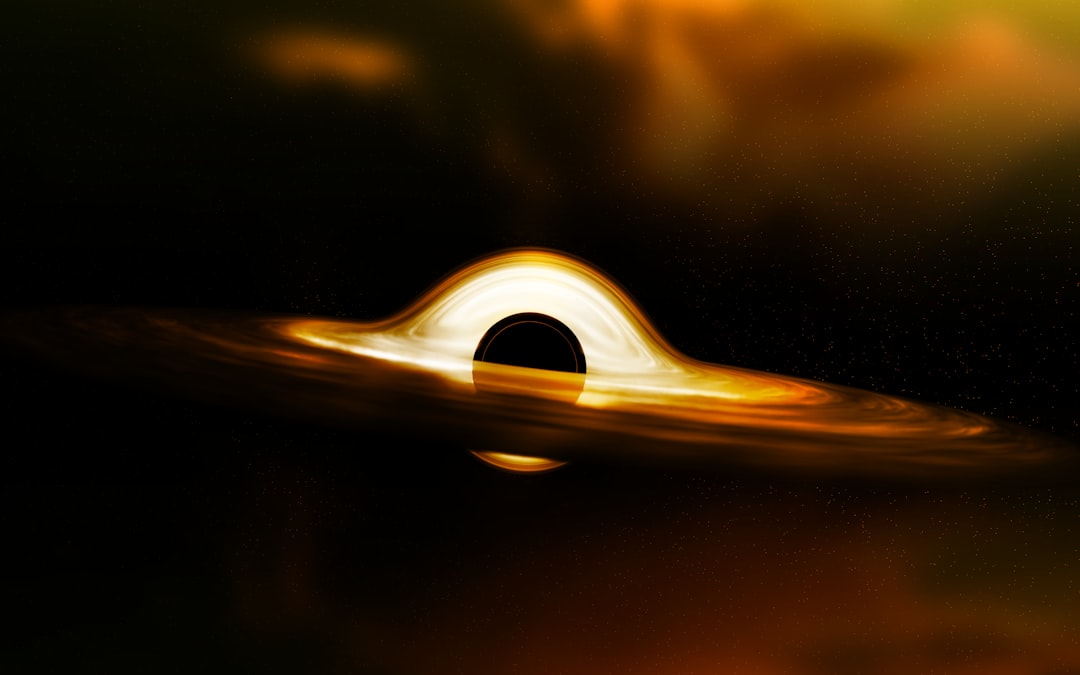
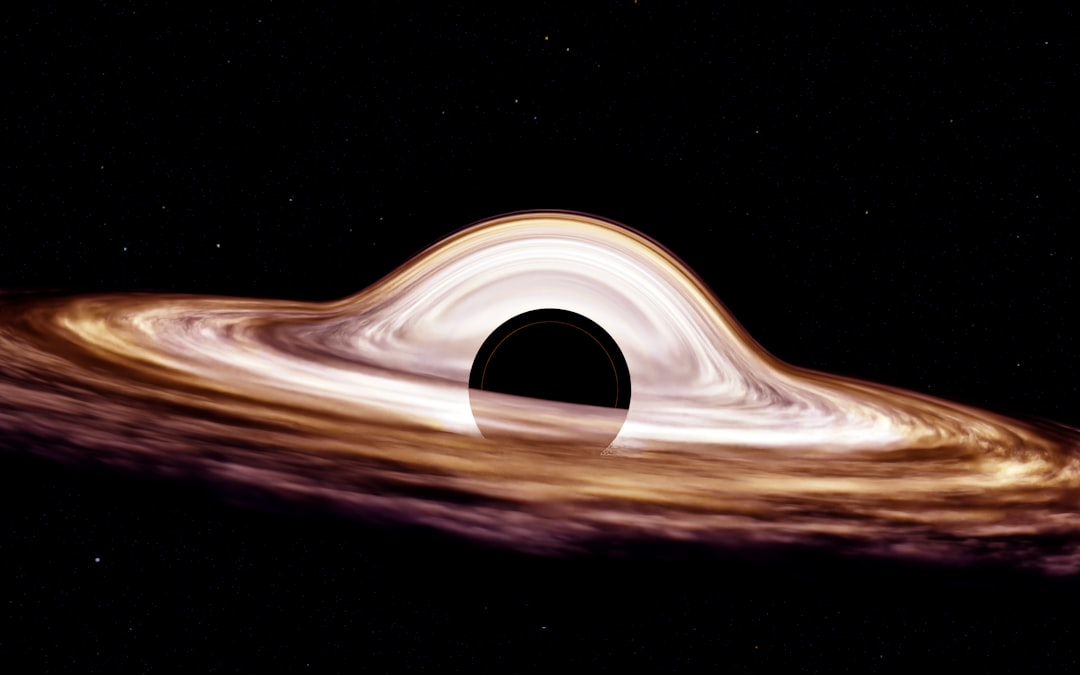
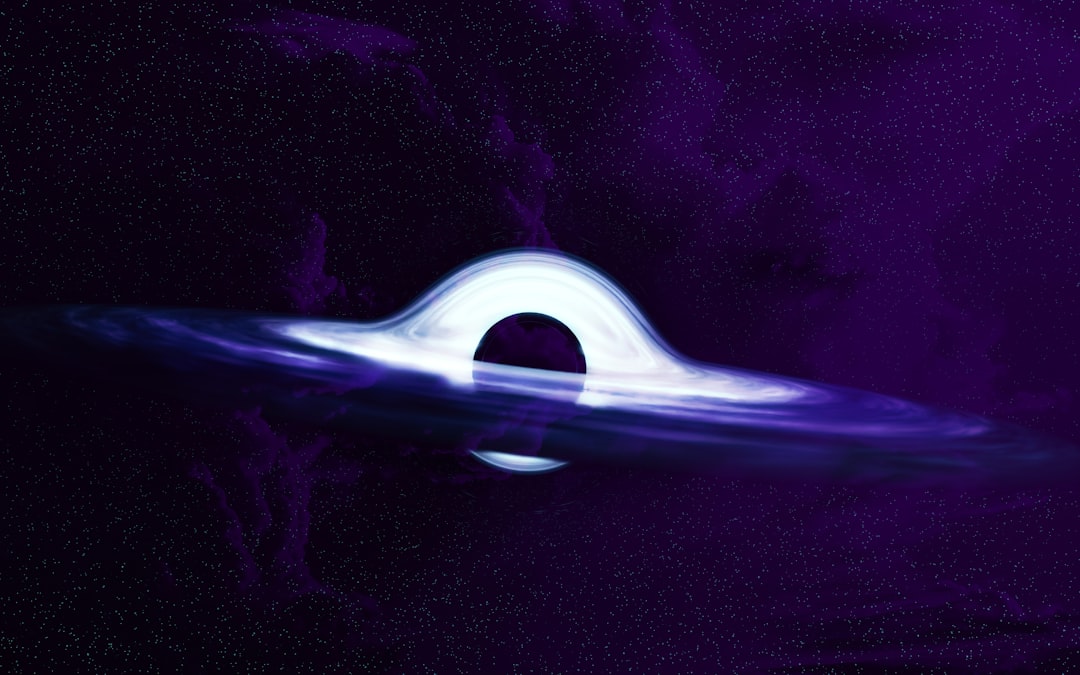
As material spirals inward toward these cosmic titans, it forms a swirling accretion disk where friction and gravitational forces heat the infalling gas and dust to millions of degrees. This superheated material, accelerated to velocities approaching the speed of light, emits intense radiation across the entire electromagnetic spectrum—from radio waves and infrared through visible light to ultraviolet, X-rays, and even gamma rays. The Chandra X-ray Observatory has been particularly instrumental in detecting these high-energy signatures, allowing astronomers to identify active black holes even when obscured by dust and gas.
Piercing the Veil: Revolutionary Survey Methodology
Previous astronomical surveys faced a significant challenge when searching for AGN in dwarf galaxies: the overwhelming glare from star formation regions. Young, massive stars emit copious amounts of radiation that can mask the subtler signals from accreting black holes, particularly in smaller galaxies where star formation often proceeds vigorously. This observational bias led astronomers to underestimate the true prevalence of active black holes in dwarf systems.
The research team developed sophisticated techniques to suppress this stellar interference, combining observations from multiple wavelengths including optical, infrared, and X-ray data. By carefully modeling and subtracting the contribution from star-forming regions, they could detect the faint signatures of black hole accretion that had eluded previous surveys. This multi-wavelength approach, utilizing data from facilities including NASA's space-based observatories and ground-based telescopes, represents a significant methodological advancement in the field.
"The intense jump in AGN activity between dwarf galaxies and mid-sized, or transitional galaxies tells us something important is changing between the two. It could be a shift in the galaxies themselves, or a sign that we're still not catching everything in the smaller ones and need better detection methods. Either way, it's a new clue we can't ignore," explained Mugdha Polimera, a CfA astronomer and lead author of the groundbreaking census.
Dramatic Findings: A New Census Reveals Hidden Black Holes
The results of this comprehensive survey dramatically revise our understanding of black hole demographics across the cosmic landscape. While previous studies had identified AGN in approximately 1% of dwarf galaxies (roughly 10 per 1,000 galaxies surveyed), the new census reveals occurrence rates of 2% to 5%—representing a two-to-five-fold increase. Although this remains significantly lower than the rates observed in medium-sized galaxies (16-27%) and large galaxies like our Milky Way (20-48%), the discovery suggests that hundreds or even thousands of active black holes in nearby dwarf galaxies have been hiding in plain sight.
The team's analysis reveals a striking pattern: AGN frequency increases sharply with galaxy mass, with a particularly dramatic jump occurring at masses comparable to transitional galaxies—those intermediate systems bridging the gap between dwarfs and giants. This mass-dependent relationship provides crucial clues about the physical processes governing black hole growth and the co-evolution of black holes with their host galaxies.
Key Findings from the Survey
- Enhanced Detection Rates: Active galactic nuclei appear in 2-5% of dwarf galaxies, compared to the previously accepted rate of approximately 1%, representing a fundamental revision of our census of active black holes in the nearby universe
- Mass-Dependent Activity: The frequency of AGN increases dramatically with galaxy mass, suggesting that either the black holes themselves grow more massive in larger galaxies, or that accretion becomes more efficient as galaxies evolve
- Methodological Breakthrough: By suppressing the interference from star formation, researchers demonstrated that many active black holes had been systematically missed by earlier surveys, highlighting the importance of multi-wavelength observational strategies
- Transitional Galaxy Mystery: The sharp increase in AGN activity at transitional galaxy masses suggests a critical threshold in galactic evolution, possibly related to merger history or changes in gas supply mechanisms
Cosmic Assembly: Implications for Galaxy Formation Theory
These findings carry profound implications for our understanding of hierarchical galaxy formation—the prevailing cosmological model in which large galaxies like the Milky Way assembled through the merger of smaller systems over billions of years. If dwarf galaxies commonly harbor massive black holes, as this survey suggests, then the merger history of our own galaxy becomes a story of black hole coalescence as well as stellar accumulation.
Professor Sheila J. Kannappan of the University of North Carolina at Chapel Hill, a co-author of the study, emphasized this connection: "We believe that the Milky Way was formed from many smaller galaxies that merged, so the dwarf galaxies' massive black holes should have merged to form the Milky Way's supermassive black hole. These results are essential for testing models of black hole origins and their role in shaping galaxies."
The discovery also raises intriguing questions about black hole seeding mechanisms in the early universe. Current theories propose several pathways for forming the first black holes, including the collapse of massive primordial stars or the direct collapse of gas clouds in the densest regions of the early cosmos. By establishing the prevalence of massive black holes in dwarf galaxies—which may be relatively pristine remnants of early galactic building blocks—this census provides observational constraints on these competing formation scenarios.
Gravitational Wave Astronomy and Future Black Hole Mergers
The implications extend beyond optical astronomy into the realm of gravitational wave detection. The LIGO and Virgo collaborations have revolutionized astronomy by detecting ripples in spacetime produced by merging black holes and neutron stars. If dwarf galaxies commonly host massive black holes in the range of hundreds of thousands to millions of solar masses, their mergers would produce gravitational waves detectable by future space-based observatories like the planned Laser Interferometer Space Antenna (LISA).
Understanding the demographics of black holes across different galaxy masses allows astronomers to predict the rate and characteristics of these merger events, helping to optimize observational strategies and theoretical models. The discovery that AGN are more common in dwarf galaxies than previously thought suggests that the universe may be richer in intermediate-mass black hole mergers than cosmologists had anticipated.
Observational Challenges and Future Directions
Despite the breakthrough methodology employed in this survey, the researchers acknowledge significant uncertainties remain, particularly concerning the faintest accreting black holes. Some massive black holes may be accreting material so slowly that their emission falls below current detection thresholds, even with sophisticated background suppression techniques. This suggests that the true prevalence of massive black holes in dwarf galaxies could be even higher than the new census indicates.
The team has made their processed measurements publicly available, allowing the broader astronomical community to verify and extend their findings. Future observations with next-generation facilities, including the James Webb Space Telescope and upcoming extremely large ground-based telescopes, promise to push detection limits further, potentially revealing an even larger population of hidden black holes in dwarf systems.
"Cutting through the glare of star formation reveals massive black holes that have slipped under the radar in dwarfs, but we're still trying to figure out why black holes are suddenly more common in galaxies like our own," noted Professor Kannappan, highlighting the fundamental questions that remain to be answered about the relationship between black holes and their cosmic environments.
Unanswered Questions Driving Future Research
This census opens numerous avenues for future investigation. Why does AGN activity increase so dramatically at transitional galaxy masses? Does this reflect a genuine change in black hole properties, or does it indicate that our detection methods still systematically miss fainter sources in dwarf galaxies? How do environmental factors—such as proximity to other galaxies or location within cosmic large-scale structures—influence black hole activity rates?
Additionally, the relationship between black hole mass and galaxy properties remains incompletely understood. In massive galaxies, astronomers have identified tight correlations between central black hole mass and properties like stellar velocity dispersion and bulge mass, suggesting a fundamental connection between black hole growth and galaxy evolution. Whether similar relationships hold in dwarf galaxies, and what they might reveal about feedback processes between black holes and their hosts, represents a frontier question in contemporary astrophysics.
A New Foundation for Understanding Cosmic Evolution
This comprehensive census provides the clearest picture yet of how galaxy mass influences the likelihood of hosting an active black hole, establishing a crucial baseline for theoretical models of black hole formation, growth, and galactic co-evolution. By demonstrating that AGN are significantly more common in dwarf galaxies than previously recognized, the survey challenges astronomers to refine their understanding of how these enigmatic objects form and evolve across cosmic history.
As our observational capabilities continue to advance and theoretical models grow more sophisticated, the insights gained from this census will help astronomers piece together the complex story of how the universe's largest black holes came to be—and how they shaped the galaxies we observe throughout the cosmos today. The revelation that our galactic neighborhood harbors many more active black holes than we realized serves as a humbling reminder that even in our cosmic backyard, profound discoveries await those who develop new ways of seeing through the glare.