The future of human space exploration hinges on a surprisingly down-to-earth solution: human waste recycling. As space agencies worldwide prepare for extended missions to the Moon and Mars, scientists are confronting a fundamental challenge that could determine the success or failure of permanent off-world settlements. The question isn't just whether humans can reach these distant worlds—it's whether they can sustain themselves once they arrive. Recent groundbreaking research led by Harrison Coker at Texas A&M University, in collaboration with NASA's Kennedy Space Center, has demonstrated that the answer may lie in an unlikely agricultural amendment: processed human sewage.
The stark reality of extraterrestrial farming is that neither the Moon nor Mars offers anything resembling Earth's rich, life-sustaining soil. Instead, both worlds present hostile regolith—a mixture of dust, broken rock, and minerals that has been bombarded by cosmic radiation for billions of years. Mars features a thin atmosphere providing virtually no protection from solar radiation, while the Moon has no atmospheric shield whatsoever. These environments are fundamentally incompatible with terrestrial agriculture as we know it, yet future colonists will need to produce their own food to survive beyond the initial exploratory phases.
This challenge has moved from the realm of science fiction—memorably depicted in "The Martian" when Matt Damon's character successfully cultivates potatoes using his own waste products—to serious scientific investigation. The International Potato Center and NASA have already validated the basic concept through terrestrial experiments. Now, researchers are taking the next crucial step: determining how bioregenerative life support systems can transform the mineral-rich but biologically dead soils of other worlds into productive growing media.
The Harsh Reality of Extraterrestrial Soils
Understanding why lunar and Martian regolith presents such formidable challenges requires examining its composition and history. Unlike Earth's soil, which has been enriched by billions of years of biological activity, decomposition, and weathering in a water-rich environment, extraterrestrial regolith is essentially pulverized rock that has never hosted life. Martian soil contains high concentrations of sulfur, ferric oxide (rust), silicon dioxide, and magnesium, along with dangerous levels of perchlorates—toxic compounds that can interfere with thyroid function in humans and are generally hostile to plant life.
Lunar regolith presents its own unique obstacles. The Moon's surface has been continuously bombarded by micrometeorites and cosmic radiation for eons, creating extremely fine, abrasive particles with sharp, angular edges. These particles lack the rounded, weathered characteristics of Earth soil and can damage both equipment and plant tissues. Additionally, both lunar and Martian soils are completely devoid of organic matter, nitrogen compounds, and the complex microbial ecosystems that make Earth's soil a living, dynamic growing medium.
Research conducted by the European Space Agency has shown that plants attempting to grow in unmodified regolith face multiple stressors simultaneously: toxic mineral content, lack of essential nutrients, absence of beneficial microorganisms, and physical damage from sharp particles. Any successful agricultural system for space colonization must address all these factors comprehensively.
Bioregenerative Life Support Systems: Engineering a Solution
The concept of Bioregenerative Life Support Systems (BLiSS) represents one of the most promising approaches to sustainable space habitation. These sophisticated systems employ bioreactors and filtration technologies to process human waste—including sewage, gray water, and other organic byproducts—into nutrient-rich solutions that can support plant growth. The NASA team at Kennedy Space Center has pioneered this technology, recognizing that closed-loop life support will be essential for missions where resupply from Earth is impractical or impossible.
"In lunar and Martian outposts, organic wastes will be key to generating healthy, productive soils. By weathering simulant soils from the Moon and Mars with organic waste streams, it was revealed that many essential plant nutrients can be harvested from surface minerals," explained Harrison Coker, lead author of the groundbreaking study published in the journal Frontiers in Astronomy and Space Sciences.
The BLiSS approach offers multiple advantages for space colonization. First, it creates a closed-loop system where waste products become valuable resources rather than disposal problems. Second, it reduces the mass that must be transported from Earth—a critical consideration given that launch costs remain extremely high. Third, it provides a sustainable long-term solution rather than relying on continuous resupply missions. The upcoming Artemis program, which aims to establish a sustained human presence on the Moon, has made food production research a top priority precisely because of these considerations.
Experimental Methodology and Breakthrough Findings
Coker's research team conducted a series of carefully controlled experiments to determine whether BLiSS effluent could effectively "weather" simulated lunar and Martian regolith, making it more suitable for agriculture. The experimental protocol involved combining BLiSS-processed waste solution with regolith simulants—materials engineered to closely match the chemical and physical properties of actual extraterrestrial soils. These simulants were then agitated in shakers for 24-hour periods to simulate the interaction between processed waste and native soils.
The results exceeded expectations in several key areas. The weathered simulants released substantial quantities of essential plant nutrients, including sulfur, calcium, magnesium, and various trace metals necessary for healthy plant development. Microscopic analysis revealed physical changes in the regolith particles themselves: the lunar simulant developed tiny pits and surface weathering features, while the Martian simulant became coated with nanoparticles. These modifications are significant because they indicate that the sharp, abrasive minerals in the regolith were being transformed into a more soil-like material with properties more conducive to root growth and water retention.
Nutritional Requirements for Space Agriculture
Different crops require varying nutrient profiles for optimal growth, and understanding these requirements is crucial for planning space agriculture. Consider these essential needs:
- Nitrogen: Critical for leafy growth and protein synthesis, particularly important for crops like corn and lettuce. Nitrogen is notably absent in extraterrestrial regolith but abundant in processed human waste.
- Phosphorus: Essential for root development, flowering, and fruiting. Both potatoes and peas require substantial phosphorus, which can be extracted from regolith minerals through the weathering process.
- Potassium: Vital for overall plant health, disease resistance, and fruit quality. This element is present in Martian regolith but must be made bioavailable through proper processing.
- Calcium and Magnesium: Important for cell wall structure and enzyme function. The research demonstrated that these minerals readily leach from both lunar and Martian simulants when exposed to BLiSS effluent.
- Water: The universal solvent and transport medium for nutrients. Water management will be perhaps the greatest challenge for space agriculture, requiring sophisticated recycling systems.
Alternative Approaches: Hydroponics and Beyond
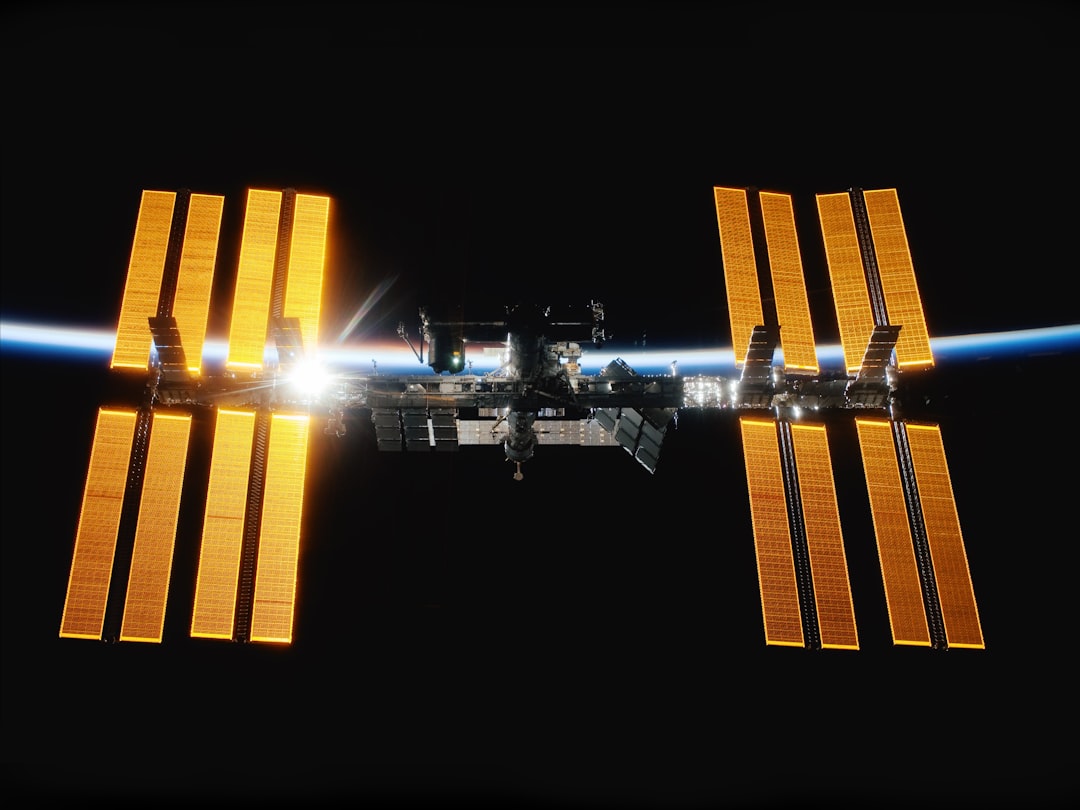
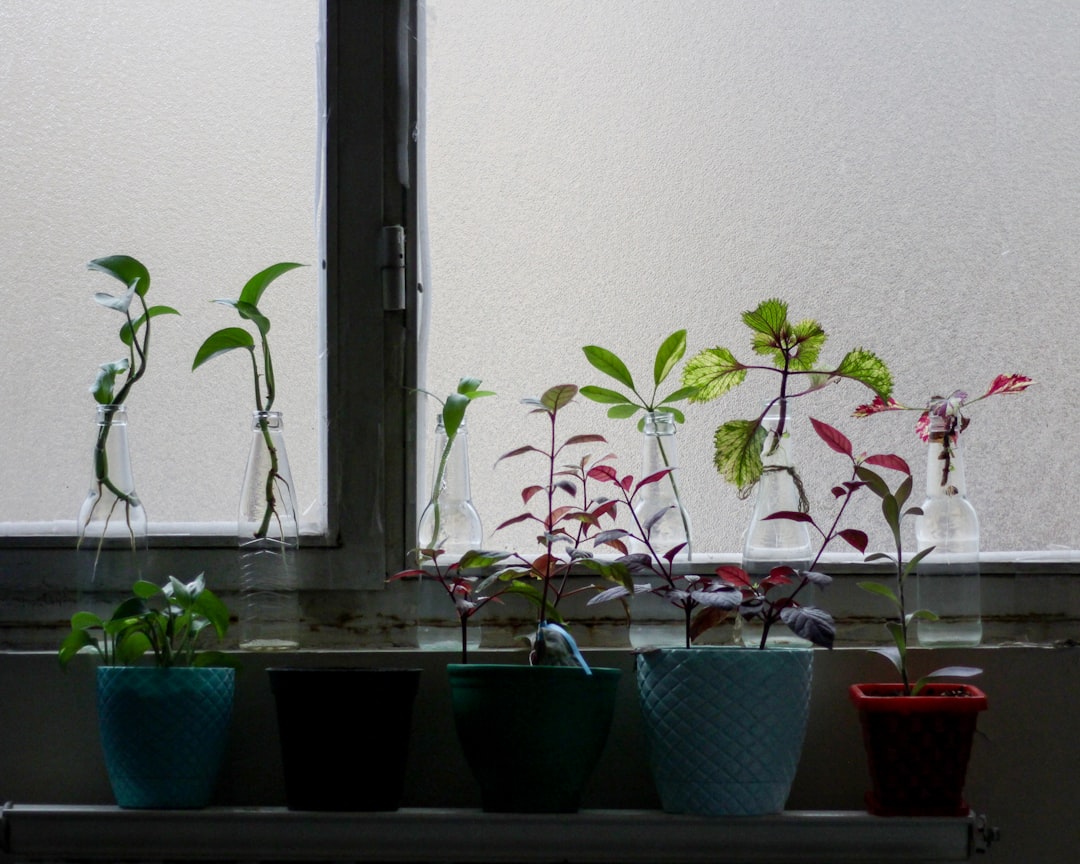
While soil-based agriculture using processed regolith shows promise, it's not the only approach under consideration. Hydroponic systems, which grow plants in nutrient-rich water solutions without soil, have been extensively tested aboard the International Space Station. NASA's Veggie plant growth system has successfully produced lettuce, radishes, and other crops in microgravity, demonstrating the viability of soilless cultivation.
However, hydroponics presents its own challenges for planetary colonization. These systems require substantial quantities of water—a precious resource that will be difficult to obtain and recycle on the Moon or Mars. Additionally, hydroponic nutrient solutions must be precisely formulated and continuously monitored, requiring sophisticated equipment and expertise. The nutrient loads needed to produce food in commercially viable quantities are significantly higher than what soil-based systems require, potentially making hydroponics less efficient for large-scale agricultural operations.
Other experimental approaches include aeroponics (growing plants in air with nutrient mist), aquaponics (combining fish farming with plant cultivation), and various forms of controlled environment agriculture. Each method has advantages and limitations that researchers continue to evaluate for space applications.
From Laboratory to Lunar Surface: Next Steps and Challenges
Despite the encouraging results from simulant studies, significant hurdles remain before space agriculture becomes a practical reality. The simulants used in laboratory research, while chemically similar to actual lunar and Martian soils, cannot perfectly replicate all the properties of authentic regolith. Real samples from Mars are not currently available for testing, and lunar samples are extremely limited and precious. Future research will need to validate these findings using actual extraterrestrial materials.
The first waves of lunar and Martian explorers will necessarily depend on food supplies from Earth, supplemented by whatever fresh produce can be grown in controlled environment chambers. Initial habitats will likely feature small-scale hydroponic or aeroponic systems that can provide fresh vegetables to supplement packaged meals. As settlements mature and expand, more ambitious agricultural projects using processed regolith will become feasible.
The timeline for achieving agricultural self-sufficiency in space remains uncertain but will likely span decades. Early missions will focus on demonstrating basic concepts and establishing infrastructure. Subsequent missions will expand agricultural capacity, experiment with different crops, and refine waste processing systems. Eventually, permanent settlements may achieve the closed-loop systems necessary for true sustainability, where human waste, plant matter, and atmospheric gases are continuously recycled in a balanced ecosystem.
Implications for Long-Term Space Colonization
The ability to grow food locally represents far more than just a technical achievement—it's a prerequisite for permanent human settlement beyond Earth. Agricultural independence will determine whether space colonies remain small, dependent outposts or can grow into self-sustaining communities. The research by Coker and his colleagues at NASA provides crucial insights into how this transformation might occur, demonstrating that the resources needed for agriculture already exist on the Moon and Mars, waiting to be unlocked through proper processing.
This work also has unexpected applications for Earth. The techniques developed for processing waste and extracting nutrients from poor soils could benefit terrestrial agriculture in challenging environments—arid regions, contaminated sites, or areas with depleted soils. The closed-loop systems designed for space may inspire more sustainable agricultural practices on our home planet, where resource conservation and waste reduction are increasingly critical concerns.
As we stand on the threshold of a new era in space exploration, the humble potato—or perhaps a crisp watercress sandwich or fresh corn on the cob—may become a symbol of humanity's ability to thrive in the harshest environments imaginable. The path from processed sewage to fresh produce may not be glamorous, but it represents the practical ingenuity that will enable our species to become truly spacefaring. The next time you enjoy fresh vegetables, consider that similar meals may one day be savored by farmers on Mars, grown in soil enriched by the same closed-loop processes that sustained their journey to a new world.