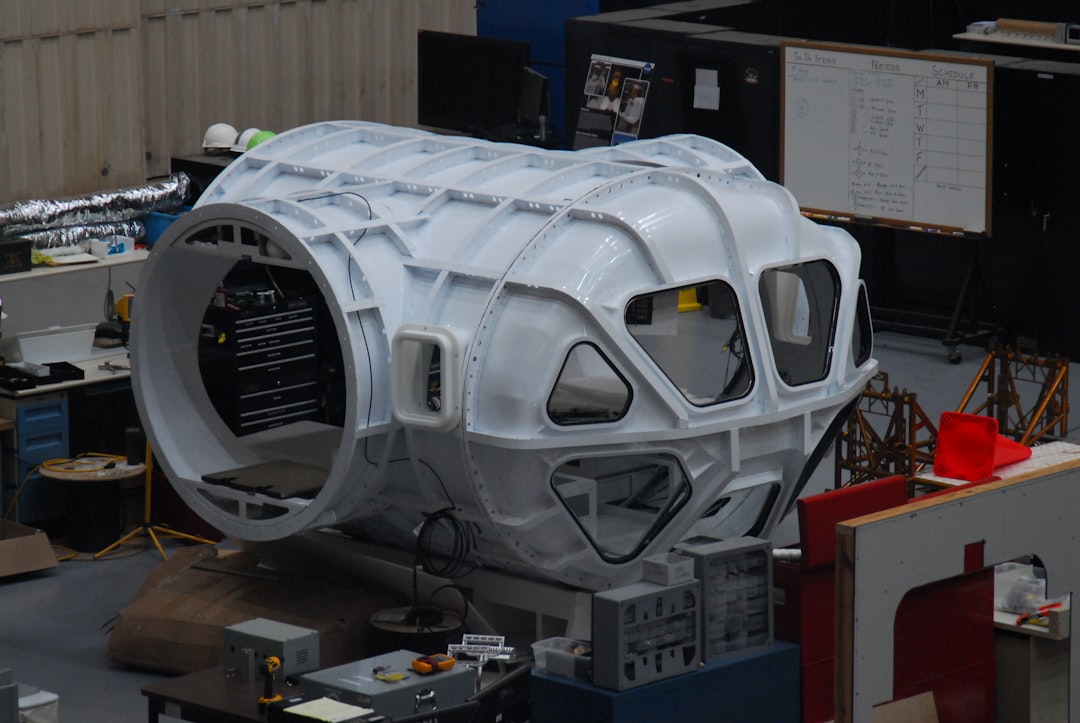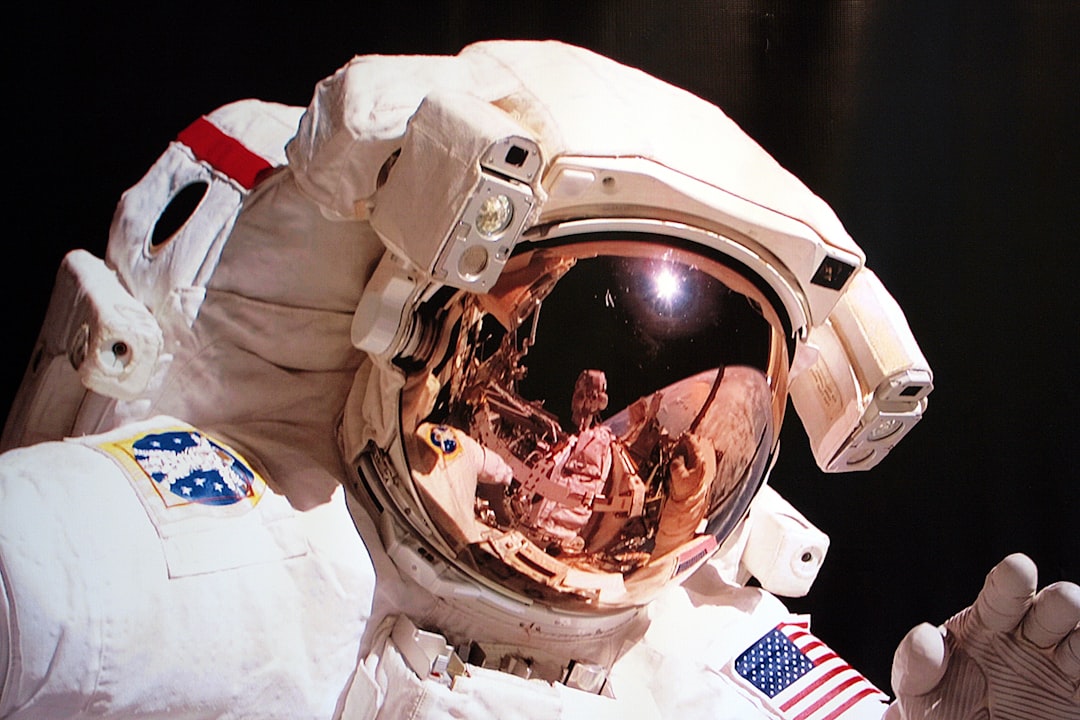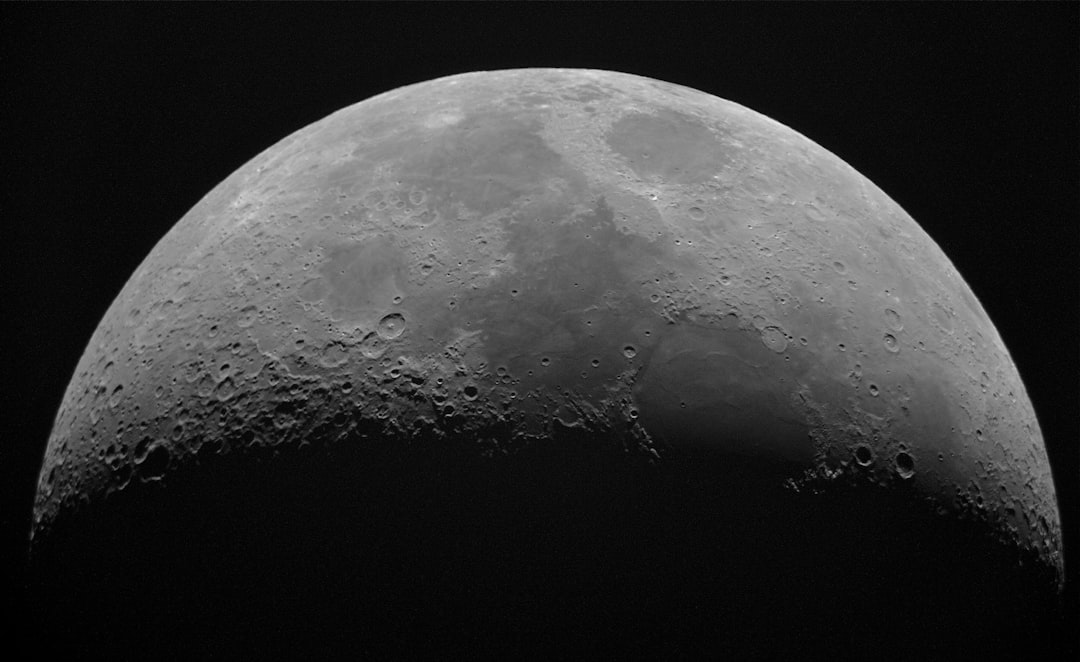
As humanity stands on the precipice of its most ambitious lunar endeavor in over half a century, NASA's Artemis II mission faces a temporary setback that underscores the meticulous nature of human spaceflight preparation. The space agency has announced plans to return the Space Launch System (SLS) rocket and Orion spacecraft to the Vehicle Assembly Building at Kennedy Space Center following the discovery of a helium flow anomaly during recent ground tests. This cautious approach, while delaying the anticipated March launch window, reflects NASA's unwavering commitment to crew safety as it prepares to send four astronauts on a historic journey around the Moon.
The mission represents far more than a technical demonstration—it marks the beginning of a new era in human space exploration. Commander Reid Wiseman, Pilot Victor Glover, Mission Specialist Christina Koch, and Canadian Space Agency astronaut Jeremy Hansen will embark on a ten-day circumlunar voyage that will test every system designed to support human life beyond low Earth orbit. This crew of four will venture farther from Earth than any humans since the Apollo 17 mission in 1972, paving the way for sustained lunar exploration under the broader Artemis program.
Understanding the Technical Challenge: Helium Systems in Deep Space Propulsion
The issue discovered during the Wet Dress Rehearsal (WDR) conducted on February 19th involves the helium supply system for the rocket's Interim Cryogenic Propulsion Stage (ICPS). This upper stage represents a critical component of the SLS architecture, responsible for providing the final push that will send the Orion spacecraft and its crew on their trajectory toward the Moon. The helium system serves two essential functions: maintaining the RL10 engine at optimal operating temperatures and pressurizing the propellant tanks containing liquid hydrogen and liquid oxygen.
During the rehearsal, engineers detected an interruption in helium flow from ground systems to the rocket's upper stage—a problem that, while seemingly minor, could have catastrophic consequences during an actual launch sequence. The helium pressurization system must function flawlessly to ensure proper propellant flow to the engine during the critical trans-lunar injection burn. Without adequate pressurization, the engine could experience cavitation or flame instability, potentially jeopardizing the entire mission.
"We approach every anomaly with the same level of scrutiny, whether it occurs during ground testing or in flight operations. The safety of our crew is paramount, and we will take whatever time is necessary to fully understand and resolve this issue before proceeding to launch," stated a NASA spokesperson familiar with the situation.
Investigating Multiple Potential Failure Points
NASA's engineering teams are systematically examining three primary areas that could be responsible for the helium flow interruption. The investigation focuses on the ground-to-rocket interface, where cryogenic fluids and pressurization gases transfer from Kennedy Space Center's ground support equipment to the vehicle. This connection point involves complex quick-disconnect fittings that must maintain perfect seals while handling extremely cold temperatures and high pressures.
The second area under scrutiny is a valve system within the ICPS itself. These valves must open and close with precise timing to regulate helium flow during different phases of the countdown and flight. Any degradation in valve performance, whether from contamination, mechanical wear, or thermal cycling effects, could explain the observed anomaly. Engineers are reviewing telemetry data to determine if the valve responded correctly to commands during the rehearsal.
Finally, teams are examining a filter positioned between ground and flight systems. This filter serves to remove any particulate contamination from the helium supply before it enters the rocket's propulsion systems. If the filter has become partially blocked or if its flow characteristics have changed due to repeated thermal cycling during previous tests, it could restrict helium flow below required levels. The Space Launch System program has encountered similar challenges before, providing engineers with valuable historical data for comparison.
Lessons from Artemis I: Applying Previous Mission Experience
Interestingly, this helium system challenge is not unprecedented in the Artemis program. During preparations for the Artemis I uncrewed test flight in 2022, engineers encountered and successfully resolved a remarkably similar issue with hydrogen leak detection and propellant loading procedures. That mission, which launched successfully in November 2022 and completed a 25-day journey around the Moon, provided invaluable data about the integrated performance of the SLS and Orion systems.
The Artemis I mission demonstrated the rocket's ability to deliver the Orion spacecraft to lunar orbit and validated the capsule's heat shield performance during Earth reentry at speeds exceeding 24,500 miles per hour. However, the mission also revealed areas requiring refinement before human crews could be safely launched. Engineers are now cross-referencing data from Artemis I with the current anomaly to determine if there are systemic issues that need addressing or if this represents an isolated incident specific to the Artemis II vehicle.
The Complex Choreography of Rocket Rollback Operations
Returning the fully stacked 322-foot-tall SLS rocket and Orion spacecraft to the Vehicle Assembly Building is no simple undertaking. The process requires the massive Crawler-Transporter 2, one of the largest tracked vehicles ever built, to carefully move the mobile launcher platform from Launch Complex 39B back to the VAB—a journey of approximately 4.2 miles that takes several hours to complete at speeds not exceeding one mile per hour.
Once inside the protective environment of the Maintenance and Assembly Bay, engineers will have full access to the rocket's systems for detailed inspections and repairs. The VAB's controlled environment eliminates concerns about weather exposure and provides the infrastructure necessary for comprehensive troubleshooting. Work platforms can be positioned at any level of the rocket, allowing technicians to access components that would be difficult or impossible to service at the launch pad.
Impact on Launch Timeline and Mission Planning
The decision to roll back effectively closes the door on a March launch opportunity, but NASA remains cautiously optimistic about preserving an April launch window. The timing depends on several factors: how quickly engineers can definitively identify the root cause of the helium flow issue, the complexity of implementing corrective actions, the need for any additional testing or verification, and the time required to roll the vehicle back to the pad and complete final launch preparations.
Launch windows for lunar missions are constrained by orbital mechanics and lighting conditions at the Moon. The Artemis II mission profile requires specific geometric relationships between Earth, the Moon, and the Sun to ensure proper navigation, communication, and photography opportunities during the crew's circumlunar journey. Missing one window doesn't necessarily mean a long delay—lunar launch opportunities typically recur monthly—but each postponement requires careful replanning of mission timelines and crew training schedules.
The Broader Significance of Artemis II for Human Space Exploration
While the current delay may seem frustrating to those eager to see humans return to lunar vicinity, it exemplifies the rigorous safety culture that has evolved in human spaceflight programs. The mission will validate not just the hardware, but also the procedures, training, and ground support systems that will enable sustained human presence beyond low Earth orbit. Artemis II serves as the essential bridge between the uncrewed Artemis I demonstration and the Artemis III mission, which aims to land the first woman and first person of color on the lunar surface.
The crew of Artemis II will test critical systems including:
- Life Support Systems: Validating Orion's environmental control systems, including oxygen generation, carbon dioxide removal, and temperature regulation for extended deep space operations
- Manual Flight Controls: Demonstrating the crew's ability to manually pilot Orion during critical mission phases, a capability essential for contingency scenarios
- Communication Networks: Testing the Deep Space Network and other communication systems that will support voice, video, and data transmission across lunar distances
- Radiation Monitoring: Collecting detailed measurements of the radiation environment beyond Earth's protective magnetosphere to inform future mission planning and crew protection strategies
- Emergency Procedures: Verifying abort modes and contingency procedures that could be needed during future lunar landing missions
Looking Forward: The Path to Sustainable Lunar Exploration
The Artemis program represents a fundamentally different approach to lunar exploration compared to Apollo. Rather than brief visits to demonstrate technological superiority, Artemis aims to establish sustainable infrastructure supporting continuous human presence on and around the Moon. This includes the Gateway lunar space station, advanced surface habitats, and resource utilization technologies that will enable long-duration missions.
NASA has committed to providing regular updates as the investigation progresses and as teams work toward resolving the helium system issue. The space agency's transparency reflects lessons learned from previous programs and acknowledges the public interest in this historic mission. While the exact launch date remains uncertain, the careful, methodical approach to resolving technical challenges ensures that when Artemis II does lift off, it will carry its crew with the highest possible confidence in mission success.
The temporary setback serves as a reminder that space exploration remains inherently challenging, requiring patience, precision, and unwavering attention to detail. As engineers work through the current technical issue, they continue building on decades of human spaceflight experience, ensuring that humanity's return to the Moon will be safe, sustainable, and successful. The international partnerships forged through Artemis, including Canada's contribution of astronaut Jeremy Hansen and the European Service Module powering Orion, demonstrate that this new era of exploration truly represents a global endeavor.