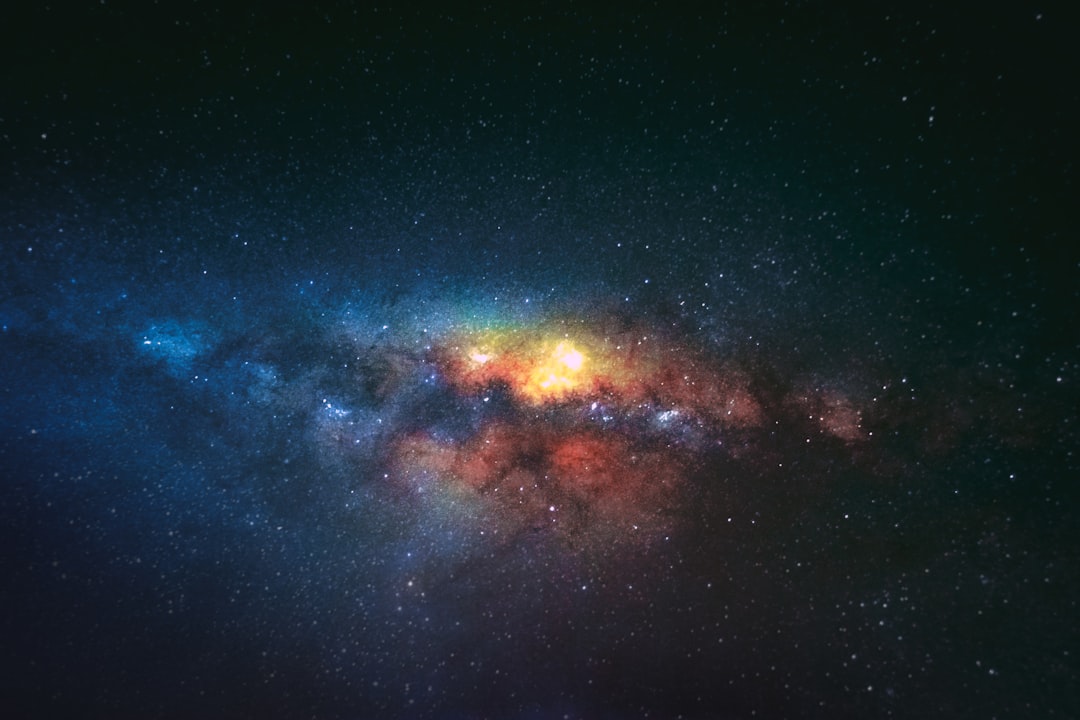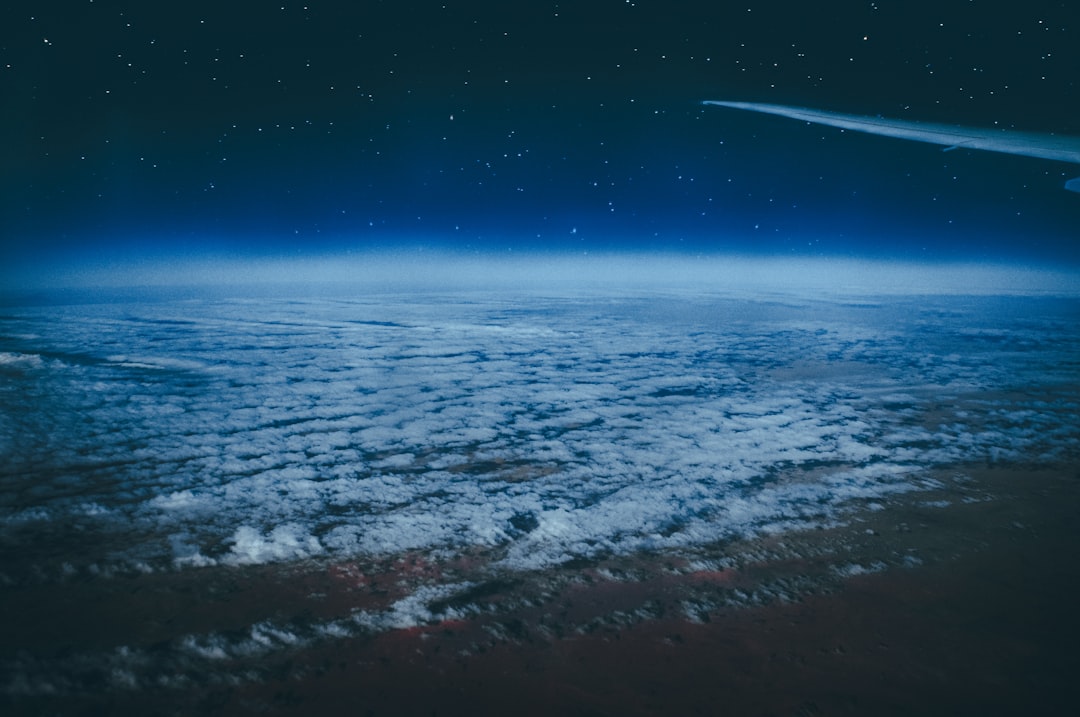
When darkness falls across the British countryside, something fundamental is missing from the sky above. For approximately one-third of humanity, the ethereal band of the Milky Way—our home galaxy's luminous spine stretching across the cosmos—has been rendered invisible, washed out by the relentless glow of artificial illumination. What began as a concern primarily voiced by astronomers has evolved into something far more alarming: a multifaceted environmental crisis with profound implications for human health, ecological stability, and planetary biodiversity.
The Royal Astronomical Society (RAS) has taken a decisive stand on this escalating issue. Following a comprehensive conference dedicated to examining the impacts of light pollution earlier this year, the organization is now advocating for a fundamental shift in how artificial light at night (ALAN) is classified under British law. Their proposal would place light pollution in the same regulatory category as air contamination, water pollution, and plastic waste—recognizing it as a legitimate environmental pollutant requiring immediate legislative action and governmental oversight.
The Human Health Crisis Hidden in Plain Sight
The scientific evidence linking excessive nighttime illumination to human health problems has reached a critical mass that can no longer be ignored. Artificial light at night has been conclusively associated with an alarming array of serious medical conditions, including type 2 diabetes, obesity, neurodegenerative diseases such as dementia and Parkinson's disease, and progressive retinal damage that can compromise vision over time.
The psychological toll is equally concerning. Research published in various peer-reviewed journals on circadian biology has demonstrated that chronic exposure to nighttime light significantly elevates rates of clinical depression and anxiety disorders. The underlying mechanism centers on our species' fundamental circadian rhythm—the approximately 24-hour biological cycle that governs everything from hormone secretion to cellular repair processes.
For millions of years, the human body evolved to interpret darkness as a signal to initiate rest, recovery, and essential maintenance functions. The hormone melatonin, which regulates sleep-wake cycles and possesses powerful antioxidant properties, is suppressed by light exposure, particularly the blue wavelengths abundant in modern LED lighting. When we flood our nights with artificial illumination, we fundamentally disrupt this ancient biological programming, with consequences that ripple through virtually every physiological system.
Ecological Devastation Across Multiple Kingdoms
While the human health impacts are deeply concerning, the ecological consequences of light pollution extend across the entire spectrum of life on Earth. Wildlife populations are experiencing catastrophic declines in illuminated areas, with effects documented from the smallest insects to large marine mammals.
Consider the humble caterpillar: populations in areas exposed to street lighting have declined by a staggering 52 percent. This isn't merely an isolated statistic—it represents a fundamental disruption of food webs that support countless bird species and other predators. Approximately one-third of all insects attracted to artificial light sources meet their end through exhaustion, increased predation vulnerability, or complete spatial disorientation that prevents them from completing essential life cycle activities.
The Pollination Crisis
Perhaps most troubling for human food security is the impact on plant-pollinator interactions. Studies conducted by researchers at the University of Exeter's Centre for Ecology and Conservation have documented declines of up to 62 percent in pollination activity in areas with significant artificial lighting. This quiet catastrophe undermines the reproductive cycles of wild plants and agricultural crops alike, threatening ecosystems and food production systems that billions of people depend upon.
The bioluminescent species that have captivated humans for millennia are now facing existential threats. In Europe, half of all known firefly and glow worm species are classified as threatened with extinction, their intricate light-based mating signals overwhelmed and disrupted by the constant artificial glow that now dominates their habitats.
Marine Ecosystems Under Siege
The ocean realm faces equally severe challenges. An estimated 22 percent of the world's coastlines are now bathed in artificial light, creating what marine biologists call "ecological light pollution zones." This illumination disrupts the precisely timed spawning events of coral species, confuses sea turtle hatchlings attempting to navigate from beach nests to the ocean, and suppresses the massive daily vertical migrations of zooplankton—tiny organisms that form the foundation of marine food chains and play a crucial role in carbon cycling.
"When we examine species listed on the International Union for Conservation of Nature Red List where light pollution is identified as a recognized threat, we find that 45 percent are classified as at risk of extinction. This isn't a minor environmental issue—it's a biodiversity crisis of the first order," notes Dr. Emma Marris, conservation biologist and environmental writer.
International Legislative Responses and Britain's Regulatory Gap
While the United Kingdom continues to grapple with outdated regulations, several European nations have moved decisively to address light pollution through comprehensive legislation. Croatia has emerged as a continental leader, implementing national legislation that divides the country into distinct lighting zones, each with specific restrictions on illumination intensity, duration, and spectral characteristics.
Germany has taken the bold step of completely banning new street lighting installations within designated nature reserves, recognizing that these protected areas must offer genuine refuge for light-sensitive species. Meanwhile, France has integrated light pollution reduction targets directly into its National Biodiversity Strategy, with an ambitious goal to halve lighting emissions by 2030—a target supported by specific regulatory mechanisms and enforcement protocols.
Britain's regulatory framework, by contrast, remains trapped in the previous century. Current law, established in 1990, explicitly excludes light from the definition of a pollutant. The Clean Neighbourhoods and Environment Act of 2005 treats excessive lighting merely as a statutory nuisance—essentially a neighborhood annoyance on par with loud music or barking dogs, rather than the serious environmental threat that scientific evidence now clearly demonstrates it to be.
A Path Forward: The RAS Campaign and Practical Solutions
The Royal Astronomical Society, working in close collaboration with the All Party Parliamentary Group for Dark Skies, is advocating for light pollution to be addressed within the framework of the Environment Act 2021. This legislation already establishes binding targets for reversing species decline and provides mechanisms for environmental governance—creating a logical regulatory home for light pollution controls.
The window for action exists, but political momentum has thus far been lacking. Environmental advocates argue that the same government bodies that set targets for air quality and plastic reduction should apply equal rigor to regulating artificial light at night.
Implementing Effective Solutions
The encouraging news is that meaningful mitigation strategies are neither technologically complex nor prohibitively expensive. Research from the International Dark-Sky Association has identified several key interventions:
- Spectral optimization: Replacing harsh blue-white LED lighting with warmer-toned alternatives (2700K-3000K color temperature) significantly reduces circadian disruption and wildlife impact while maintaining visibility for human activities
- Directional control: Properly shielded fixtures that direct light downward rather than allowing it to scatter horizontally and upward can reduce light pollution by 70-80 percent while actually improving ground-level illumination efficiency
- Temporal management: Implementing smart controls that dim or extinguish lighting during low-activity hours, particularly between midnight and dawn, can dramatically reduce energy consumption and ecological impact
- Adaptive systems: Motion-activated lighting that illuminates only when needed provides security benefits while minimizing unnecessary light exposure
- Strategic reduction: Conducting lighting audits to identify and eliminate truly unnecessary fixtures, particularly those providing redundant coverage
Reclaiming the Night: Cultural and Scientific Implications
Beyond the measurable health and ecological benefits, addressing light pollution offers an opportunity to restore something profoundly important that modern civilization has inadvertently surrendered: our connection to the night sky and the cosmic perspective it provides. For the majority of human history, the Milky Way was a nightly companion, inspiring mythology, navigation, art, and scientific inquiry.
The loss of dark skies represents not just an environmental problem but a cultural impoverishment. Children growing up in light-polluted areas may never experience the awe of seeing thousands of stars, the gossamer glow of the Milky Way, or the sudden streak of a meteor. This experiential extinction diminishes our sense of place in the universe and may reduce public support for space science and astronomical research.
As the Royal Astronomical Society's campaign gains momentum, the question facing British policymakers is straightforward: will the United Kingdom join the growing list of nations treating light pollution as the serious environmental threat that science has proven it to be, or will outdated regulations continue to allow the night itself to disappear? The evidence is clear, the solutions are available, and the cost of inaction—measured in human health, ecological integrity, and lost wonder—continues to mount with each artificially brightened night.