The Quiet Conversation Between Muscle and Gravity, and What Happens When It Stops
Imagine a muscle as something that has spent your entire life in conversation with gravity, constantly sensing your body's weight, constantly adjusting, constantly being told it is needed. Every step you take, every time you stand up from a chair, every moment you simply remain upright, your skeletal muscles are receiving and responding to mechanical signals — a continuous, elegant biological dialogue that most of us never consciously appreciate. Now imagine cutting that conversation off entirely. Not through injury or disease, but by floating free of Earth's gravitational pull in the silence of low-Earth orbit. That is, in profound biological terms, precisely what happens to an astronaut's body aboard the International Space Station, and it sits at the heart of new research at Iowa State University, supported by Iowa NASA EPSCoR, into how spaceflight reshapes human physiology from the cellular level upward.
"We try to understand how spaceflight induces this muscle atrophy at the molecular and cellular level. The payoff is practical as much as scientific — understand the mechanism, and a countermeasure becomes possible." — Dr. Khaled Kamal, Iowa State University
The Scientist Behind the Research
The work belongs to Dr. Khaled Kamal, who joined Iowa State University in 2024 after more than a decade working on projects connected to the European Space Agency and NASA's Human Research Program. Kamal's expertise lies in understanding how microgravity — the near-weightless environment experienced aboard orbiting spacecraft — disrupts the intricate signalling pathways that keep muscle tissue healthy and functional.
At the core of his investigations are processes with scientifically rich names. Mechanotransduction refers to the remarkable ability of cells to sense and respond to physical forces, converting mechanical stimuli such as compression, tension, and gravity into biochemical signals that regulate gene expression, protein synthesis, and cell survival. Alongside this, Kamal examines redox biology — the balance between oxidative stress and antioxidant defences within cells — and intercellular communication within the musculoskeletal system, the complex molecular conversations that cells hold with one another to coordinate tissue maintenance and repair.
Muscle Atrophy: A Growing Concern for Deep Space Exploration
His central focus is skeletal muscle atrophy, the progressive wasting and weakening that astronauts experience during long-duration missions. The numbers are sobering. Astronauts aboard the International Space Station can lose up to 20% of their muscle mass in as little as five to eleven days without rigorous countermeasures. On a six-month ISS mission, significant degradation of both muscle volume and function is documented even with the two hours of daily exercise currently prescribed aboard the station.
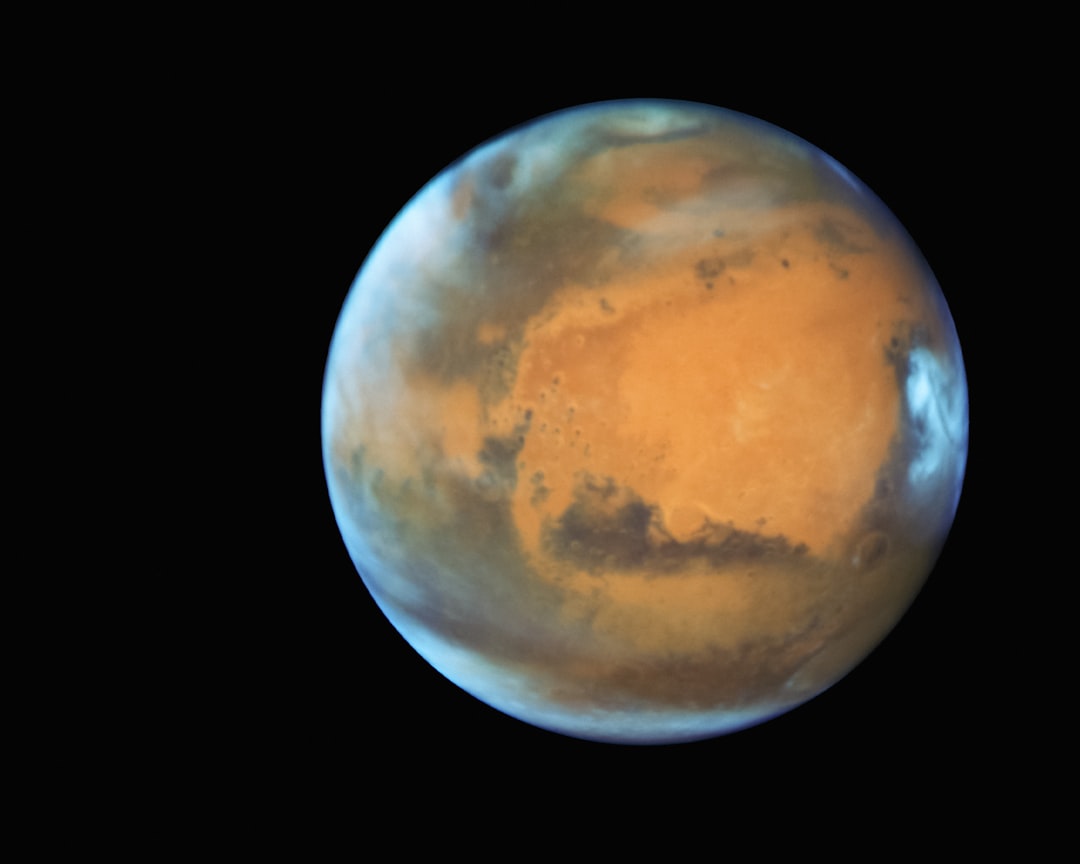
This challenge will only intensify as humanity's ambitions extend further into the solar system. A crewed mission to the Moon under NASA's Artemis programme represents weeks away from Earth; a crewed Mars mission would demand six to nine months of transit in each direction, plus surface operations, with astronauts enduring prolonged microgravity or the reduced gravity of Mars — roughly 38% of Earth's surface gravity — for years. Without effective countermeasures grounded in a deep mechanistic understanding, the physical capacity of crews to perform complex tasks upon arrival could be severely compromised.
- Astronauts can lose up to 20% of muscle mass within the first weeks of spaceflight.
- Lower-limb muscles, which bear most postural load on Earth, are disproportionately affected.
- Current ISS countermeasures — including resistive exercise devices — mitigate but do not fully prevent atrophy.
- A Mars transit mission could last 6–9 months each way, far exceeding current long-duration mission experience.
- Muscle loss is accompanied by parallel degradation of bone density, cardiovascular deconditioning, and immune dysregulation.
Recreating Weightlessness Without Leaving the Ground
Recreating the conditions of weightlessness on Earth is, naturally, rather difficult. True microgravity can only be sustained in orbit or in brief parabolic flight. Yet ground-based research models are essential for the kind of detailed, repeatable, mechanistic investigation that would be logistically impossible to conduct entirely aboard the ISS. To solve this problem, Kamal's laboratory developed Iowa State's first hindlimb unloading rodent model — an elegant experimental system that mimics critical aspects of microgravity without leaving the ground.
In this model, animals are gently suspended so that their hind limbs bear no gravitational load, effectively silencing the same mechanical conversation between muscle tissue and gravity that occurs in orbit. The technique, refined over decades in the spaceflight research community, allows researchers to observe in real time how muscle tissue senses the withdrawal of mechanical input and begins to initiate the cellular cascade of atrophy — the upregulation of protein degradation pathways, the downregulation of protein synthesis, and the structural remodelling of muscle fibres. Crucially, the model also gives the team a controlled testbed for evaluating therapies designed to preserve muscle health when gravitational signalling disappears.
Beyond Space: Overlapping Pathways in Disease and Ageing
What elevates this research well beyond the space programme is a fundamental truth of biology: the body does not particularly care why gravity's signal has gone quiet. The molecular and cellular pathways disrupted in microgravity-induced atrophy overlap substantially with those implicated in two major terrestrial conditions.
The first is age-related sarcopenia, the progressive and generalised loss of skeletal muscle mass and strength that affects an estimated 10–16% of older adults worldwide and is a leading contributor to frailty, falls, hospitalisation, and loss of independence. The second is Duchenne muscular dystrophy (DMD), a devastating X-linked genetic disorder caused by mutations in the gene encoding the structural protein dystrophin, leading to progressive muscle fibre degeneration from early childhood. Both conditions involve dysregulation of the same mechanosensitive and oxidative stress pathways that Kamal's team is mapping in the context of spaceflight.
Recognising these convergences, Kamal is now hunting for new biomarkers — measurable biological indicators of disease state or progression — that could serve dual purposes. Among the most promising candidates are extracellular vesicle (EV) signatures. Extracellular vesicles are tiny membrane-enclosed particles released by cells that carry molecular cargo — proteins, lipids, and nucleic acids — between cells and into the bloodstream, acting as a kind of biological postal service. Changes in the content and abundance of these vesicles in response to unloading could provide a non-invasive, real-time window into the state of muscle tissue, both in orbit and in clinical settings on Earth. Alongside this, his team is investigating mechanosensitive signalling systems, the molecular switches that cells use to detect and respond to mechanical forces, as both diagnostic targets and potential therapeutic intervention points.
A Multidisciplinary Laboratory at the Frontier
The laboratory itself has become something of an intellectual meeting point, drawing in collaborators from animal science, machine learning, engineering, and cell biology — a reflection of the inherently interdisciplinary nature of modern space life science. The integration of machine learning approaches is particularly noteworthy; high-dimensional biological datasets, including transcriptomic and proteomic profiles of muscle tissue under unloading conditions, are ideally suited to computational methods that can identify patterns invisible to conventional analysis.
The lab is also investing in the next generation of researchers. Among the current team is PhD student Hassan, who joined in spring 2025, drawn by the intellectually compelling challenge of recreating astronaut physiology on the ground. Graduate and undergraduate researchers working in such an environment gain rare exposure to the intersection of fundamental cell biology, translational medicine, and space exploration — a combination of skills that institutions like NASA and the broader biomedical research community are increasingly seeking.
Dr. Kamal is candid about the broader mission. As he has noted, NASA needs biologists and physiologists every bit as much as it needs engineers and rocket scientists — perhaps more so, as the agency prepares to send human beings to environments where the biological challenges are as formidable as the engineering ones. Iowa's growing capacity in space life science, built one laboratory model and one trained researcher at a time, is starting to meet that need.
Looking Ahead
The research emerging from Kamal's laboratory represents a compelling example of how investment in fundamental space biology pays dividends far beyond the astronaut corps. The molecular language of muscle atrophy — whether spoken in the microgravity of low-Earth orbit, in the wasting of old age, or in the inherited silence of a missing gene — turns out to be much the same. Understanding that language, and learning how to interrupt its most destructive messages, is work that matters profoundly both for the future of human spaceflight and for millions of patients on Earth.
As crews prepare to venture once more beyond low-Earth orbit toward the Moon and eventually Mars, the quiet conversation between muscle and gravity — and what happens when it is interrupted — will only grow louder as a scientific and medical priority.
Source: Iowa NASA EPSCoR — Iowa State University Research Connecting Spaceflight and Human Health