A groundbreaking astronomical survey has revealed a fascinating asymmetry in planetary systems across the cosmos, fundamentally challenging our understanding of how worlds form around different types of stars. Scientists analyzing data from NASA's Transiting Exoplanet Survey Satellite (TESS) have discovered that the mysterious "radius valley"—a conspicuous gap in the size distribution of exoplanets—effectively vanishes around the smallest and coolest stars in our galaxy. This discovery, published in The Astronomical Journal, represents the most comprehensive examination of planetary systems around mid-to-late M-dwarf stars ever conducted.
The research team, led by Erik Gillis, a PhD candidate at McMaster University in Hamilton, Canada, meticulously surveyed 8,134 M-dwarf stars using a custom-built analysis pipeline, identifying 77 vetted transiting planet candidates. Their findings paint a dramatically different picture of planetary architecture than what we observe around Sun-like stars, suggesting that the mechanisms governing planet formation operate fundamentally differently depending on the mass and temperature of the host star. This revelation has profound implications for our understanding of planetary system diversity and the processes that sculpt worlds across the universe.
Understanding the Mysterious Radius Valley Phenomenon
For years, astronomers have been puzzled by a peculiar pattern in the exoplanet population discovered by NASA's Kepler mission and TESS. Among the more than 6,000 confirmed exoplanets catalogued to date, there exists a conspicuous scarcity of worlds with radii between approximately 1.5 and 2 Earth radii. This gap, known variously as the radius valley, the Fulton Gap, or the photoevaporation gap, represents one of the most intriguing puzzles in modern planetary science.
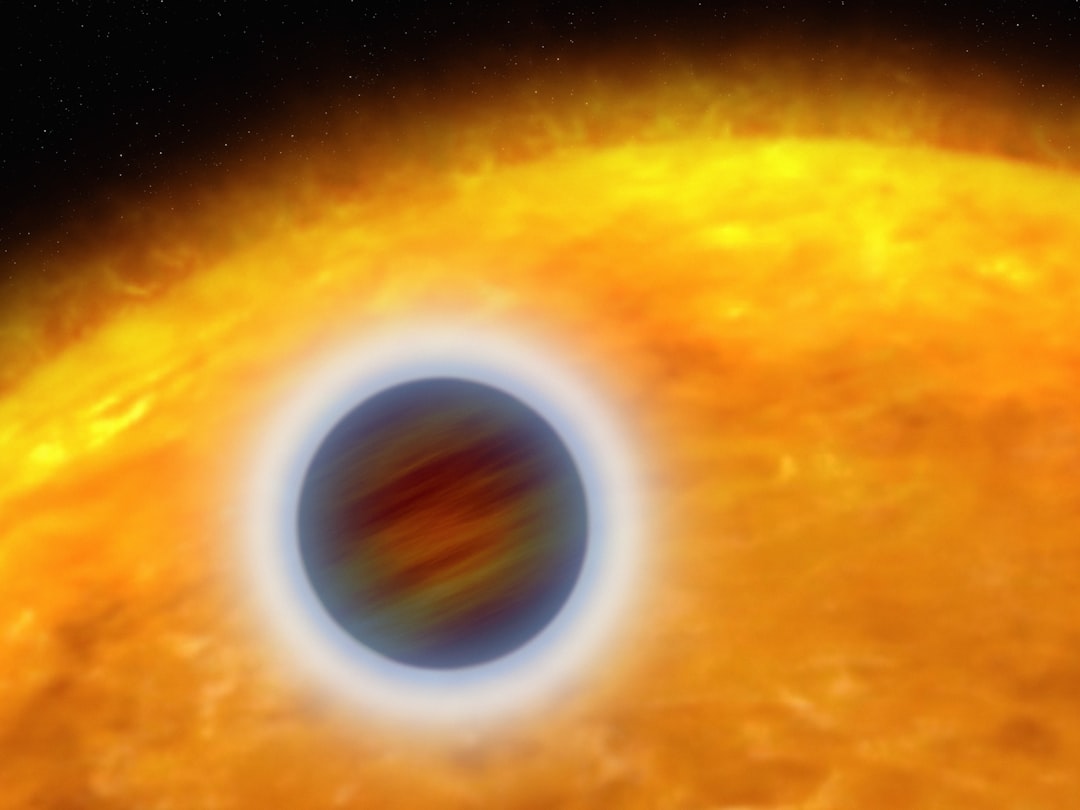
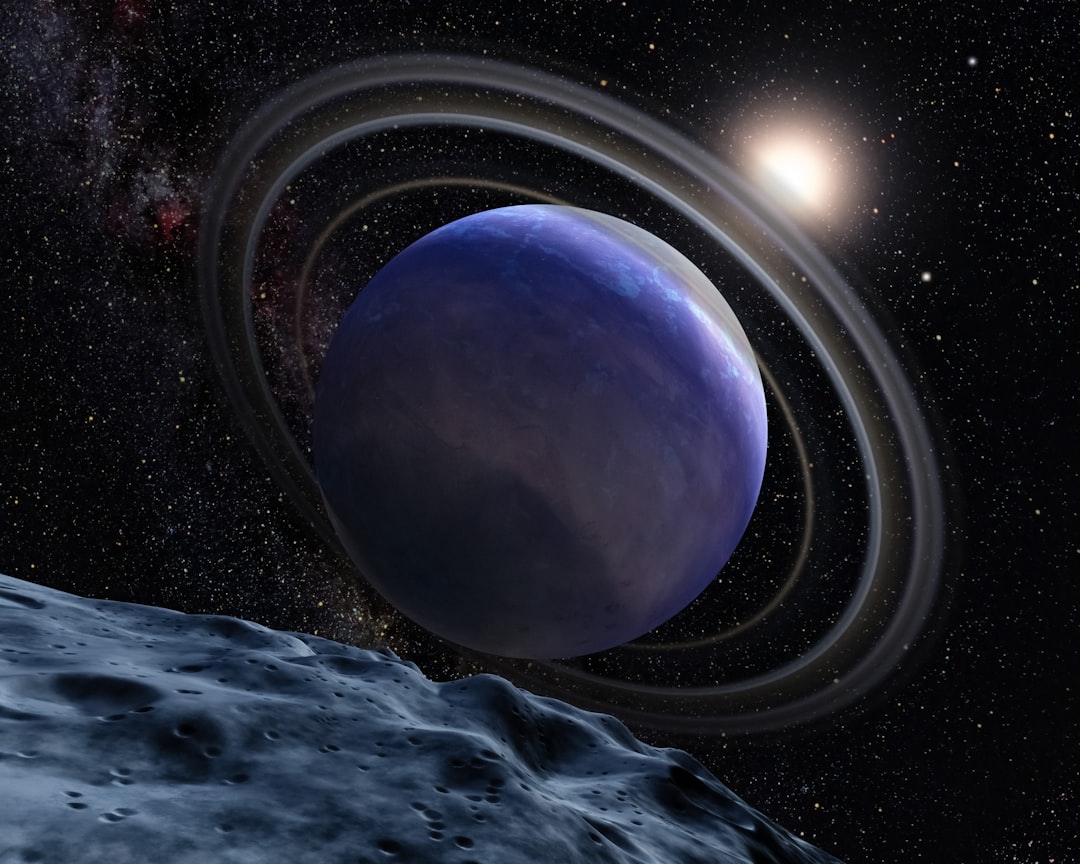
The radius valley appears most prominently among small planets orbiting close to their host stars—those with orbital periods shorter than 100 days. On one side of this valley, we find rocky super-Earths, planets slightly larger than our own world but still predominantly composed of rock and metal. On the other side sit mini-Neptunes, smaller cousins of our Solar System's ice giants, typically possessing substantial gaseous envelopes surrounding rocky cores. The valley itself—that mysterious gap between these two populations—has been well-documented around Sun-like F, G, and K-type stars, as well as around early M-dwarf stars.
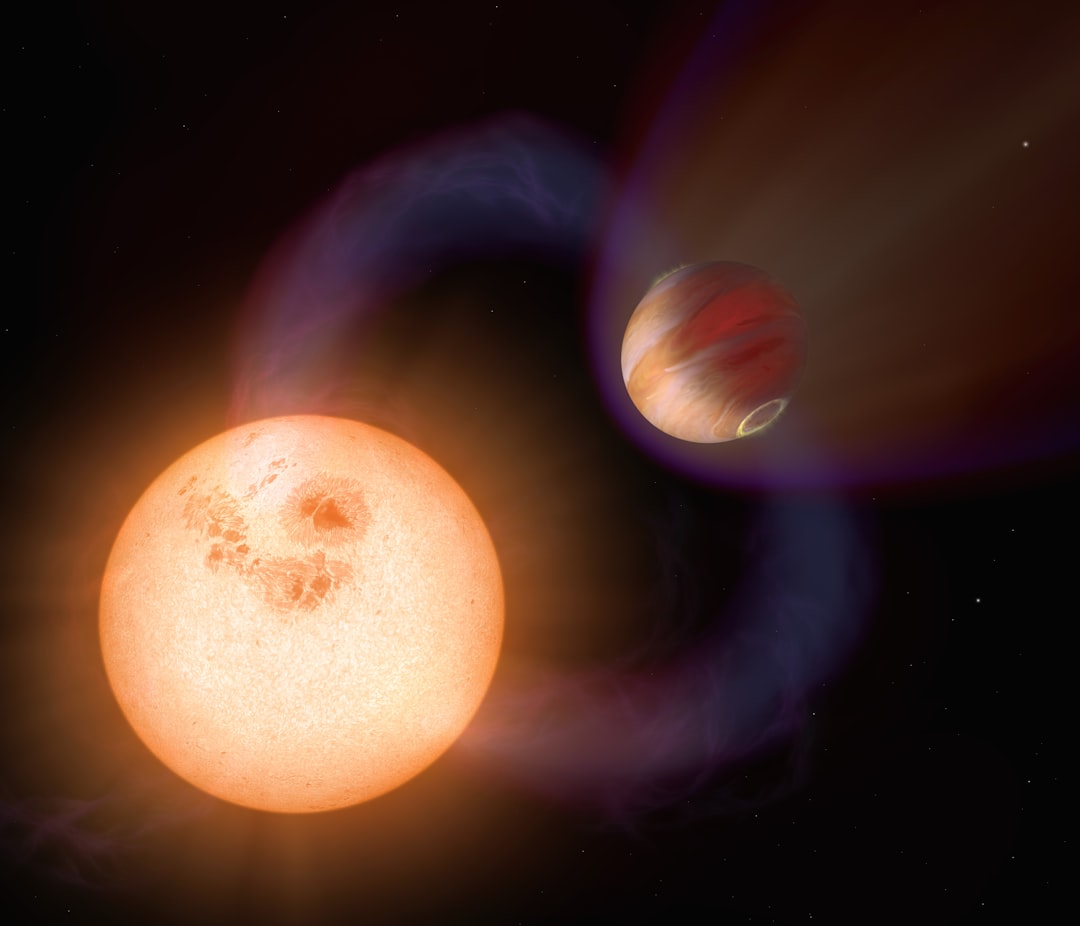
Two leading theoretical frameworks have emerged to explain this bimodal distribution. The first invokes photoevaporation, wherein intense radiation from the young host star strips away the primordial atmospheres of planets, leaving behind bare rocky cores. The second mechanism, called core-powered mass loss, suggests that heat escaping from a planet's still-molten core can drive atmospheric escape. Both processes would preferentially affect smaller planets with weaker gravitational fields, potentially creating the observed gap in the size distribution.
The Challenge of Observing the Universe's Most Common Stars
Despite being the most abundant stellar type in our galaxy—comprising approximately 75% of all stars—M-dwarfs have historically been underrepresented in exoplanet surveys. These cool, dim stars present significant observational challenges. Their faintness makes it difficult to detect the subtle dimming caused by transiting planets, and their intrinsic variability can mask or mimic planetary signals. Consequently, much of our understanding of exoplanet demographics has been built upon observations of brighter, Sun-like stars, potentially introducing significant biases into our cosmic census.
M-dwarf stars are further subdivided into categories based on their temperature and mass. Early M-dwarfs (M0-M3) are relatively massive and luminous compared to their smaller siblings, while mid-to-late M-dwarfs (M4-M9) represent the coolest and smallest true stars, with masses ranging from about 40% down to just 8% of our Sun's mass. These diminutive stellar furnaces burn their hydrogen fuel so slowly that they can shine for trillions of years—far longer than the current age of the universe.
"We didn't just refine the picture – we changed it. Around these stars, sub-Neptunes effectively vanish, which means the mechanisms shaping planets here are different," said lead author Erik Gillis.
Revolutionary Findings from the Deepest M-Dwarf Survey
The research team's systematic analysis revealed striking differences in planetary populations around mid-to-late M-dwarfs compared to their more massive stellar cousins. They calculated a cumulative occurrence rate of 1.10 ± 0.16 planets per star with radii greater than one Earth radius orbiting within 30 days. This remarkable statistic confirms that M-dwarfs collectively represent the most prolific hosts of small, close-in planets in our galaxy, making them prime targets for understanding planetary system formation and evolution.
However, the most striking discovery lies in the distribution of these planets. While the radius valley around Sun-like stars creates a clear bimodal distribution—two distinct peaks separated by a gap—the planetary population around mid-to-late M-dwarfs exhibits a unimodal distribution with a single peak at approximately 1.25 Earth radii. The researchers found 0.954 ± 0.147 super-Earths per star but only 0.148 ± 0.045 sub-Neptunes, yielding a dramatic ratio of 5.5 super-Earths for every sub-Neptune. This represents a fundamental departure from the planetary architecture observed around more massive stars.
Key Observational Results
- Vanishing Radius Valley: The characteristic gap in planet sizes between 1.5 and 2 Earth radii, prominent around Sun-like stars, effectively disappears around mid-to-late M-dwarfs, replaced by a smooth, single-peaked distribution.
- Super-Earth Dominance: Rocky super-Earths outnumber sub-Neptunes by more than 5 to 1 around these cool stars, suggesting that conditions favor the formation or retention of rocky worlds over gas-enveloped planets.
- Consistent Occurrence Rates: The overall frequency of small planets remains similar across all M-dwarf subtypes, indicating that stellar mass doesn't significantly affect the total number of planets formed, only their final characteristics.
- Unprecedented Survey Depth: By analyzing 8,134 mid-to-late M-dwarfs with custom detection algorithms, this study represents the most comprehensive examination of planetary systems around the coolest stars to date.
The Frost Line Connection and Pebble Accretion Theory
The disappearance of the radius valley around mid-to-late M-dwarfs aligns elegantly with theoretical predictions from the water-rich pebble accretion model of planet formation. This framework describes how millimeter-to-centimeter-sized "pebbles" of rock and ice drift through protoplanetary disks, gradually accumulating to form planetary cores. A critical boundary in this process is the water frost line—the distance from the star where temperatures drop low enough for water to condense into ice.
According to this model, planets forming beyond the frost line have access to abundant water ice, allowing them to grow larger cores more quickly and potentially capture substantial gaseous envelopes, becoming sub-Neptunes. Planets forming inside the frost line, where water remains gaseous, grow more slowly and tend to remain rocky super-Earths. Around Sun-like stars, the frost line sits at several astronomical units from the star, well beyond the region where we observe the radius valley planets.
However, around cool mid-to-late M-dwarfs, the frost line lies much closer to the star—potentially within the orbital distances where these close-in planets reside. This proximity fundamentally alters the planetary formation environment. If the frost line sits very close to the star during the planet-forming epoch, most planets in the inner system form in the ice-rich zone, potentially explaining why we see predominantly water-rich worlds rather than a bimodal distribution of rocky and gaseous planets.
Ryan Cloutier, assistant professor at McMaster University and co-author of the study, emphasized the importance of comparative planetology: "Our solar system was once the only example we had. Now, thanks to missions like TESS, we can compare thousands of systems and uncover patterns that rewrite our assumptions. Now with this recent work we're developing a clearer picture of where these super-Earths and sub-Neptunes come from."
Implications for Atmospheric Composition and Habitability
The dominance of super-Earths around mid-to-late M-dwarfs carries profound implications for understanding planetary atmospheres and potential habitability. If these worlds formed beyond the frost line and migrated inward, they may be water-rich planets rather than rocky bodies with captured hydrogen-helium envelopes. This distinction is crucial for assessing their potential to harbor life as we know it.
Water-rich super-Earths might possess deep global oceans overlying high-pressure ice layers, creating exotic environments vastly different from Earth's surface conditions. Alternatively, if these planets lost their primordial water during formation or migration, they might resemble scaled-up versions of Earth with thick silicate mantles and iron cores. Future observations with NASA's James Webb Space Telescope and other next-generation instruments will be crucial for characterizing the atmospheric compositions of these worlds and determining their true nature.
The scarcity of sub-Neptunes around cool M-dwarfs also suggests that photoevaporation may not be the dominant mechanism shaping planetary populations in these systems. While intense stellar radiation can strip atmospheres from close-in planets around more massive stars, the lower luminosity of mid-to-late M-dwarfs may make this process less efficient. Instead, the observed planetary distribution appears to be primarily sculpted by the conditions present during the initial formation phase, particularly the location of the water frost line.
Future Directions in Exoplanet Demographics Research
This groundbreaking research opens numerous avenues for future investigation. As ESA's PLATO mission and other upcoming surveys continue to expand our exoplanet census, astronomers will be able to test whether these patterns hold across larger samples and different stellar environments. Detailed atmospheric characterization of super-Earths around M-dwarfs will help determine whether they are truly water-rich worlds or predominantly rocky planets, directly testing the predictions of the pebble accretion model.
The absence of super-Earths and sub-Neptunes in our own Solar System makes these studies particularly valuable for understanding planetary system diversity. While our planetary family includes small rocky worlds (Mercury, Venus, Earth, Mars) and giant planets (Jupiter, Saturn, Uranus, Neptune), we lack examples of the intermediate-sized planets that appear so common around other stars. By studying these alien worlds, we gain insights into the full range of planetary formation outcomes possible in the universe.
Understanding how planetary systems vary with stellar type also has practical implications for the search for potentially habitable worlds. With M-dwarfs representing three-quarters of all stars, the prevalence of super-Earths around these cool suns suggests that such worlds may be among the most common planet types in the galaxy. If even a small fraction of these planets maintain stable, temperate climates suitable for life, the universe may harbor countless habitable environments around stars very different from our own Sun.
As our observational capabilities continue to advance and theoretical models become more sophisticated, the mystery of the radius valley—and its disappearance around the coolest stars—will undoubtedly continue to yield profound insights into the cosmic processes that shape planetary systems throughout the universe. Each new discovery reminds us that the diversity of worlds beyond our Solar System far exceeds what early astronomers could have imagined, and that understanding this diversity requires examining planets around the full spectrum of stellar types that populate our galaxy.