A pivotal moment in humanity's return to lunar exploration unfolded at NASA's Kennedy Space Center in Cape Canaveral, Florida, as the Artemis II spacecraft took its position on the historic Launch Pad 39B. This remarkable assembly—featuring the Orion Crew Module, the European Service Module, and the critical Launch Abort System—represents the culmination of years of engineering excellence and international collaboration. Beneath this sophisticated spacecraft sits NASA's most powerful rocket ever constructed, the Space Launch System (SLS), a next-generation super-heavy launch vehicle designed to propel humanity beyond the confines of Low Earth Orbit and back to the lunar surface for the first time in over five decades.
The photograph captured on January 17th, 2026, marks a watershed moment as the fully integrated Artemis II stack emerged from the Vehicle Assembly Building's Launch Assembly Bay. This rollout initiated an intensive period of integrated systems testing, where engineers meticulously verified that every component—from life support systems to communication arrays—functions flawlessly both independently and as part of the greater whole. The stakes couldn't be higher: this mission will carry the first human crew beyond Earth orbit since the Apollo era, validating technologies that will enable sustained lunar exploration and eventual missions to Mars.
Critical Pre-Launch Testing: The Wet Dress Rehearsal
On Tuesday, February 3rd, NASA successfully completed one of the most crucial pre-flight milestones: the wet dress rehearsal (WDR). This comprehensive test simulates every aspect of launch day operations, including the complex choreography of loading and safely draining hundreds of thousands of gallons of cryogenic propellants into the rocket's tanks. The rehearsal serves as the final major verification that ground systems, launch vehicle, and spacecraft can perform together under actual launch conditions without leaving the pad.
The approximately 49-hour test sequence commenced on Saturday, January 31st, at 8:13 p.m. EST. However, the operation immediately encountered challenges that tested the ground crew's problem-solving capabilities. Frigid ambient temperatures at the launch site created unexpected complications with the propellant loading interfaces. Engineers had to exercise patience as they worked to bring critical connection points down to acceptable temperature ranges before safely introducing the super-cooled liquid hydrogen and liquid oxygen propellants. This delay, while frustrating, demonstrated the robust safety protocols that govern every aspect of NASA's human spaceflight operations.
Despite these initial setbacks, the ground operations team successfully filled all propellant tanks in both the SLS core stage and the Interim Cryogenic Propulsion Stage (ICPS). However, with approximately five minutes remaining in the countdown sequence, automated safety systems detected a concerning spike in the liquid hydrogen leak rate and automatically paused operations. Additionally, a valve associated with the Orion crew module's hatch pressurization system—previously replaced during earlier maintenance—required retorquing, further extending closeout operations. These technical challenges, while delaying the rehearsal's completion, provided invaluable data about system performance and potential areas requiring additional attention before the actual launch.
"The wet dress rehearsal is not just about loading propellant—it's about validating every single procedure, every communication protocol, and every safety system that will protect our crew on launch day. The challenges we encountered and successfully resolved give us even greater confidence in our readiness."
Mission Architecture and Revolutionary Objectives
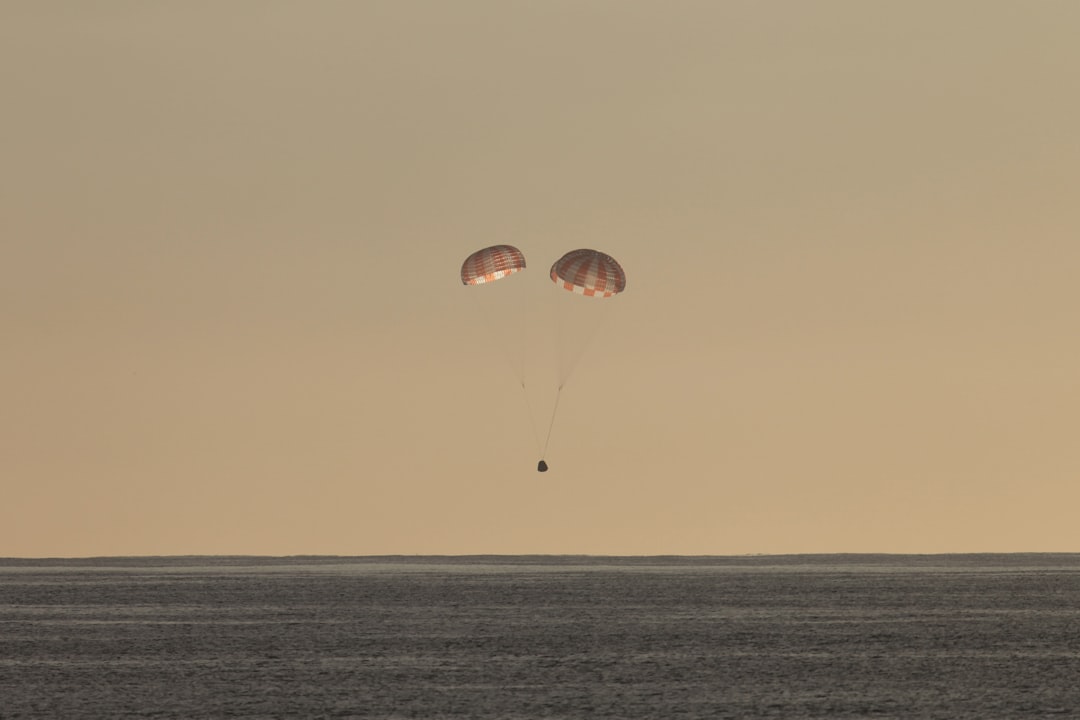
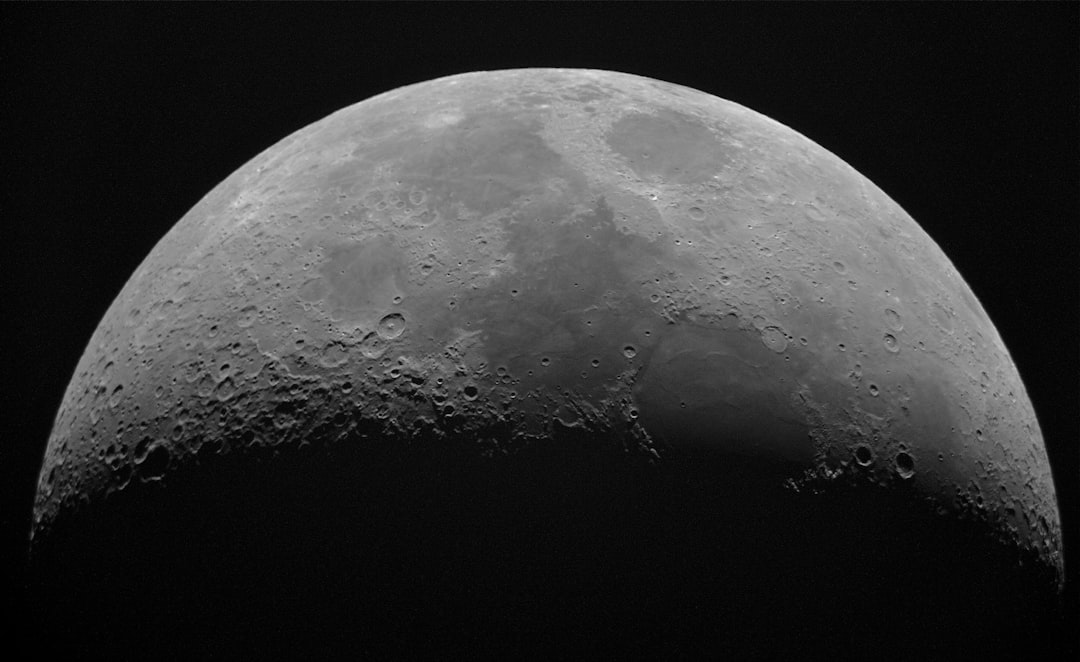
The Artemis II mission represents far more than a simple test flight—it embodies NASA's commitment to establishing a sustainable human presence beyond Earth orbit. This 10-day mission will validate critical systems and technologies that future lunar surface missions will depend upon. The crew will undertake a circumlunar trajectory, swinging around the far side of the Moon without entering orbit or landing, before returning to Earth for a precision splashdown in the Pacific Ocean.
During this historic journey, the crew will deploy several CubeSats into lunar orbit, establishing a communications relay network that will prove essential for future missions. These small satellites will test optical communication technologies, demonstrating the feasibility of transmitting high-bandwidth data from the Moon's far side—an area perpetually hidden from direct Earth communication. This capability will be crucial for the ambitious lunar surface operations planned under the broader Artemis program.
Technology Validation for Deep Space Exploration
The mission serves as a comprehensive testbed for technologies that will enable humanity's expansion into the solar system. Key systems undergoing validation include:
- Environmental Control and Life Support Systems (ECLSS): Advanced systems that will maintain a habitable environment for the crew during the extended journey, recycling air and managing thermal conditions in the harsh space environment
- Avionics and Navigation: Next-generation guidance, navigation, and control systems that will enable precise trajectory management during deep space operations far from Earth
- Power Generation and Distribution: The European Service Module's solar array systems and power management capabilities that will sustain all spacecraft functions throughout the mission
- Thermal Protection Systems: The Orion heat shield, which must withstand temperatures exceeding 5,000 degrees Fahrenheit during atmospheric reentry at lunar return velocities—approximately 25,000 miles per hour
- Radiation Monitoring: Sophisticated instruments that will measure the deep space radiation environment, providing critical data for protecting future crews during extended lunar surface stays
Updated Launch Timeline and Mission Preparation
Following the completion of the wet dress rehearsal and subsequent data analysis, NASA has refined the launch window for Artemis II. Originally targeting no earlier than February 8th, the agency now plans for March as the earliest launch opportunity. This adjustment reflects NASA's commitment to thorough preparation and data-driven decision-making rather than arbitrary schedule adherence.
The additional time allows engineering teams to conduct comprehensive analysis of the telemetry data collected during the two-day tanking and detanking operations. Engineers are particularly focused on understanding the liquid hydrogen leak detection event and ensuring that all propellant loading procedures are optimized for launch day. NASA has also indicated plans to conduct at least one additional rehearsal before committing to the actual flight test, demonstrating the agency's unwavering dedication to crew safety.
This methodical approach mirrors lessons learned from the Artemis I uncrewed test flight, which successfully validated the integrated performance of the SLS and Orion spacecraft during its 25.5-day mission in late 2022. That mission provided invaluable data about spacecraft performance in the deep space environment, including critical information about heat shield performance during high-speed reentry.
The Path to Artemis III and Sustained Lunar Exploration
While Artemis II will not land on the lunar surface, it paves the way for Artemis III, currently planned for 2027. This historic mission will mark humanity's return to the Moon, with a crew of astronauts—including the first woman and first person of color to walk on the lunar surface—conducting extended surface operations in the Moon's south polar region.
The success of Artemis III depends on several critical elements still in development, most notably the Human Landing System (HLS). SpaceX's Starship HLS variant will rendezvous with the Orion spacecraft in lunar orbit, transfer the crew, descend to the surface for approximately one week of exploration activities, and then return the astronauts to Orion for the journey home. This complex orbital ballet requires unprecedented precision and coordination between multiple spacecraft systems.
Beyond Artemis III, NASA envisions establishing a sustained program of lunar exploration that includes the construction of the Lunar Gateway, a small space station in lunar orbit that will serve as a staging point for surface missions. This infrastructure will enable increasingly ambitious exploration objectives, including the establishment of a permanent lunar base camp, extensive scientific research, and the development of technologies for eventual human missions to Mars.
International Collaboration and Scientific Goals
The Artemis program represents an unprecedented level of international cooperation in space exploration. The European Space Agency (ESA) provides the critical service module that powers and propels the Orion spacecraft, while partner nations contribute scientific instruments, mission expertise, and even astronauts who will fly on future Artemis missions. This collaborative approach not only shares the costs and risks of lunar exploration but also ensures that the benefits of space exploration are shared globally.
The scientific objectives of the Artemis program extend far beyond the achievement of landing humans on the Moon. Researchers plan to study the Moon's south polar region, where permanently shadowed craters may contain water ice deposits that could support future human settlements and provide resources for deep space missions. Understanding the Moon's geology, studying its formation history, and investigating the effects of long-term exposure to the space radiation environment will provide insights applicable to future Mars missions and our broader understanding of planetary science.
Engineering Excellence and the Future of Human Spaceflight
The Artemis II spacecraft standing on Launch Pad 39B—the same pad that launched Apollo missions to the Moon and Space Shuttle missions to build the International Space Station—represents the culmination of cutting-edge engineering and decades of spaceflight experience. The Space Launch System produces 8.8 million pounds of thrust at liftoff, making it the most powerful rocket currently operational. Its innovative design incorporates lessons learned from the Space Shuttle program while incorporating modern materials, manufacturing techniques, and safety systems.
The Orion spacecraft itself represents a quantum leap in crew vehicle capabilities. With a habitable volume significantly larger than the Apollo Command Module, advanced life support systems, and the ability to sustain crews for missions lasting up to 21 days, Orion provides the foundation for extended deep space exploration. Its heat shield, the largest ever constructed, utilizes an advanced ablative material called AVCOAT that protects the crew during the extreme heating of atmospheric reentry from lunar velocities.
As engineers and technicians continue their meticulous pre-launch preparations, the world watches with anticipation. The Artemis II mission will not only validate the technologies required for lunar exploration but will also inspire a new generation of scientists, engineers, and explorers. It represents humanity's determination to push beyond familiar boundaries, to explore the unknown, and to establish our presence as a multi-planetary species. The journey back to the Moon is not an end in itself but rather the beginning of humanity's greatest adventure—the expansion of human civilization beyond Earth and into the solar system.