The quest to photograph an Earth-like exoplanet orbiting a distant star represents one of humanity's most ambitious scientific endeavors. As NASA's Habitable Worlds Observatory (HWO) transitions from conceptual design to concrete engineering specifications, researchers are meticulously addressing the intricate optical and technical challenges that will determine the mission's success. A groundbreaking new study from scientists at NASA's Goddard Space Flight Center has established critical parameters for the telescope's infrared capabilities, specifically focusing on how to distinguish between two of the most important atmospheric biosignatures: carbon dioxide and methane.
This latest research, part of the ongoing BARBIE (Bayesian Analysis for Remote Biosignature Identification of exoEarths) series, tackles a fundamental problem in exoplanet characterization: spectral overlap. When multiple atmospheric gases absorb light at similar wavelengths, they can mask each other's signatures, making it extraordinarily difficult to determine the true composition of an alien world's atmosphere. The team's analysis has now defined a precise upper wavelength limit of 1.68 micrometers for HWO's infrared detection capabilities—a specification that could make or break our ability to identify potentially habitable worlds.
The Challenge of Infrared Detection Without Cryogenic Cooling
Observing exoplanets in the infrared spectrum has long been considered the gold standard for detecting potential signs of life. Many of the most compelling biosignatures—chemical indicators that could suggest biological activity—produce distinctive absorption features in infrared wavelengths. However, infrared astronomy presents a significant technical hurdle: any warm object, including the telescope's own instruments, emits infrared radiation that can overwhelm the faint signals from distant planets.
The James Webb Space Telescope solved this problem through an elaborate cryogenic cooling system that maintains its instruments at temperatures just above absolute zero. This engineering marvel, while effective, contributed significantly to JWST's decade-long delays and multi-billion-dollar cost overruns. The HWO design team is determined to avoid repeating this expensive and complex approach, opting instead for a more streamlined system that operates at higher temperatures while still delivering the scientific capabilities needed to detect Earth-like worlds.
This design philosophy necessitates careful trade-offs. By limiting the telescope's infrared sensitivity to shorter wavelengths—specifically capping the upper detection limit at 1.68 micrometers—engineers can eliminate the need for extreme cooling while still capturing the most critical biosignature features. This decision represents a delicate balance between technical feasibility and scientific capability, ensuring that HWO can launch on schedule while still achieving its primary mission objectives.
Decoding Atmospheric Chemistry: The Carbon Dioxide and Methane Puzzle
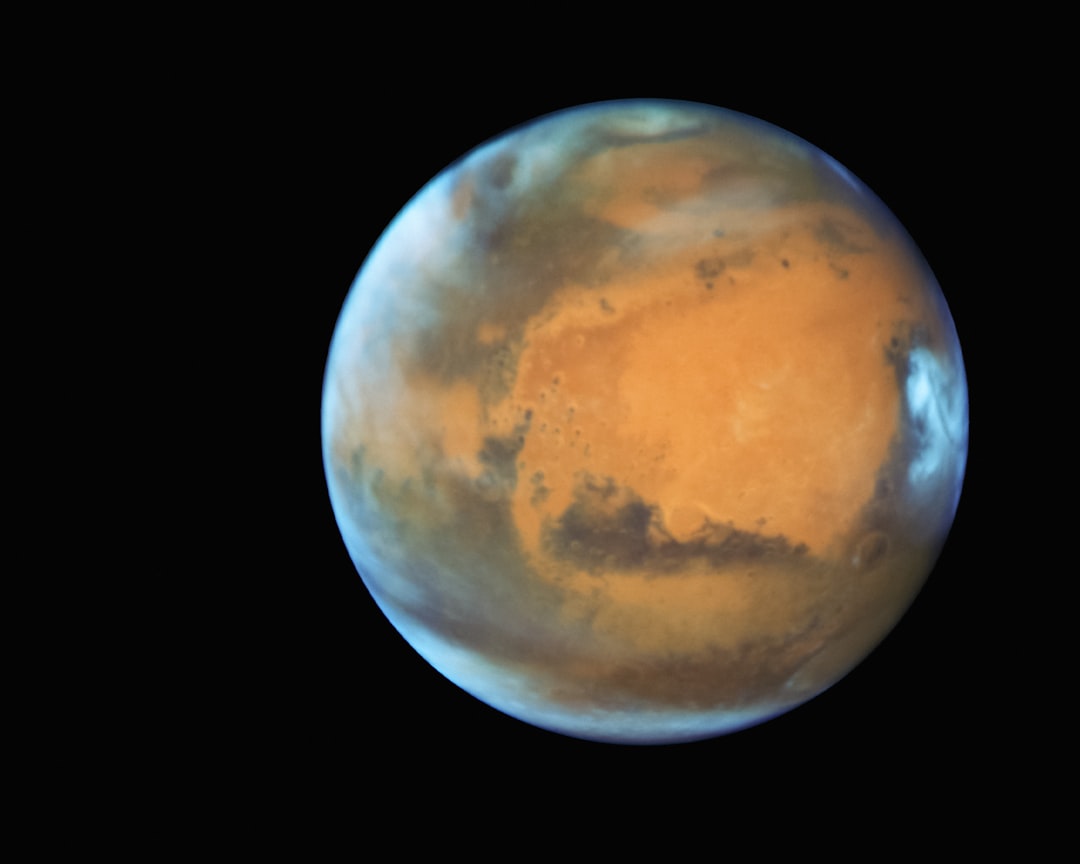
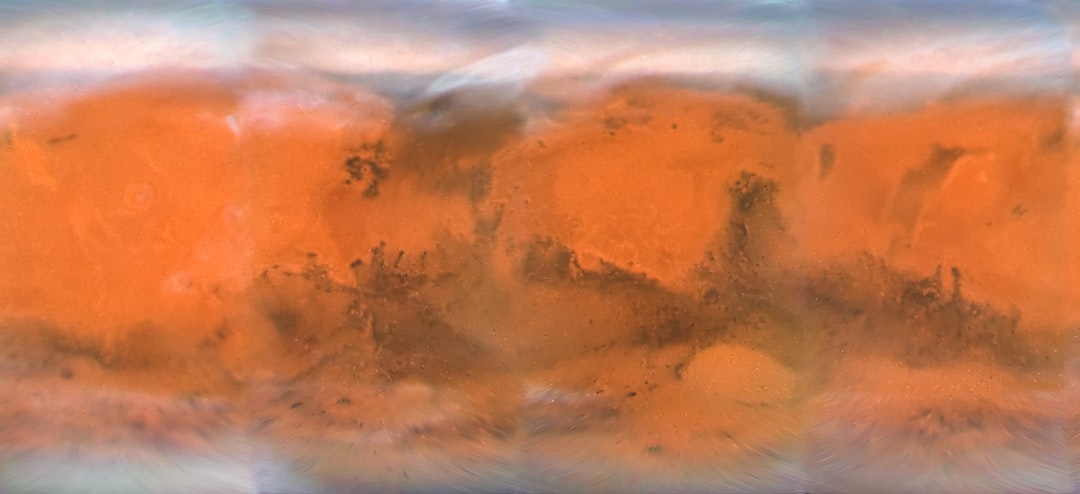
Understanding why carbon dioxide and methane matter so profoundly requires examining Earth's own atmospheric evolution. Carbon dioxide serves as a particularly intriguing biosignature not because of its presence, but because of its absence. Dead worlds like Mars and Venus possess atmospheres dominated by CO₂, with concentrations exceeding 95%. Earth, by contrast, maintains atmospheric carbon dioxide levels below 0.05% because our planet's liquid oceans and thriving biosphere continuously remove it from the atmosphere through dissolution and photosynthesis.
"When we observe three rocky planets in a star system and one shows dramatically reduced carbon dioxide compared to its siblings, that's a powerful signal that something fundamentally different is happening on that world—potentially the presence of liquid water and biological activity," explains the research team in their analysis.
Methane tells the opposite story. This simple hydrocarbon molecule is highly reactive and breaks down rapidly when exposed to ultraviolet radiation and atmospheric chemistry. On Earth, methane persists in our atmosphere at trace levels only because biological processes—from bacteria in wetlands to digestive systems of animals—continuously replenish it. While some abiotic sources exist, such as volcanic activity or serpentinization reactions in subsurface rocks, these geological processes typically diminish over planetary timescales. Finding methane in an exoplanet's atmosphere therefore suggests an active, ongoing source—potentially life itself.
The real "smoking gun" emerges when astronomers detect both gases together in specific ratios. A planet with substantial methane, moderate carbon dioxide, but low oxygen levels would present a compelling case for biological activity. This combination mirrors Earth's atmosphere during certain epochs of its history and would be difficult to explain through purely geological processes. However, detecting this signature requires the ability to distinguish between these gases spectroscopically—a challenge complicated by their overlapping absorption features.
The BARBIE Framework: Sophisticated Statistical Analysis
The research team employed the Bayesian Analysis for Remote Biosignature Identification of exoEarths framework, a sophisticated statistical model that simulates how different atmospheric compositions would appear through HWO's instruments. This fourth paper in the BARBIE series specifically examined how varying concentrations of methane affect the detectability of carbon dioxide across different infrared wavelengths.
The researchers modeled several scenarios based on Earth's atmospheric evolution, including:
- Modern Earth: Current atmospheric composition with balanced CO₂, methane, and oxygen levels resulting from billions of years of biological modification
- Archean Earth: Early Earth's atmosphere approximately 3 billion years ago, featuring higher methane concentrations and minimal oxygen before the Great Oxidation Event
- Venus-like conditions: A runaway greenhouse atmosphere dominated by carbon dioxide, representing a "dead world" scenario for comparison
- Varying methane concentrations: Multiple scenarios with different methane levels to quantify how this gas interferes with CO₂ detection
Their analysis revealed a critical finding: high methane concentrations create spectral saturation that significantly impairs carbon dioxide detection, far more than even water vapor does. When methane absorption features saturate—meaning they absorb nearly all available light at certain wavelengths—they effectively "blind" the telescope to carbon dioxide signatures in overlapping spectral regions. This interference becomes particularly problematic at longer infrared wavelengths beyond 1.68 micrometers.
Defining the Sweet Spot: Technical Specifications for Success
The study's most important contribution lies in establishing a precise wavelength cutoff that optimizes HWO's ability to characterize potentially habitable exoplanets. The researchers determined that setting the telescope's upper infrared detection limit at 1.52 micrometers, with a 20% bandwidth allowance extending to 1.68 micrometers, provides the optimal balance between several competing factors:
Signal clarity: At these wavelengths, carbon dioxide and methane produce sufficiently distinct spectral features that sophisticated analysis can separate their individual contributions, even when both gases are present in significant concentrations. The team's modeling showed that observations within this wavelength range can reliably distinguish between different atmospheric scenarios with reasonable integration times—meaning HWO won't need to stare at each target for prohibitively long periods.
Thermal management: By capping sensitivity at 1.68 micrometers rather than extending into longer infrared wavelengths, the telescope's detectors can operate at moderately cooled temperatures achievable through passive cooling and simpler active cooling systems. This eliminates the need for the complex, failure-prone cryogenic systems that plagued JWST's development while still maintaining the sensitivity needed for exoplanet characterization.
Mission feasibility: The specified wavelength range allows HWO to utilize proven detector technologies and optical materials, reducing development risk and keeping the mission within realistic budget and schedule constraints. This practical consideration is crucial for ensuring that HWO actually launches and operates successfully rather than becoming another delayed or cancelled flagship mission.
Broader Implications for Exoplanet Science
This wavelength specification represents more than just a technical detail—it fundamentally shapes what HWO will be able to discover. By optimizing for biosignature discrimination rather than maximum wavelength coverage, the mission prioritizes its core objective: identifying potentially habitable worlds with atmospheric compositions suggestive of life. This focused approach reflects lessons learned from previous missions and the maturation of exoplanet science from initial detection to detailed characterization.
The research also highlights the importance of foundational studies in mission design. Before engineers can begin building hardware, scientists must define exactly what capabilities are required and what trade-offs are acceptable. The BARBIE series exemplifies this crucial pre-development phase, using sophisticated modeling to explore the parameter space and identify optimal solutions before committing to expensive, difficult-to-change design decisions.
Engineering Challenges and the Path Forward
With the infrared wavelength range now specified, HWO's development team can focus on other critical engineering challenges. Chief among these is the coronagraph system—the specialized optical instrument that will block the overwhelming glare of host stars to reveal the faint reflected light from orbiting planets. Recent studies have shown that this coronagraph must maintain picometer-scale stability to successfully image Earth-like exoplanets, representing an unprecedented level of precision in space-based optical systems.
The telescope's primary mirror will also require extraordinary performance. Unlike JWST's segmented mirror optimized for infrared observations of distant galaxies, HWO's mirror must deliver the contrast ratio needed to distinguish a dim planet from its brilliant star—a difference of roughly 10 billion to one in visible light. This requirement drives specifications for mirror smoothness, thermal stability, and the overall optical system architecture.
Additional technical considerations include:
- Starshade coordination: HWO may work in conjunction with a separate starshade spacecraft—a giant flower-shaped occulter that would fly in precise formation with the telescope to block starlight externally, potentially enabling even more sensitive observations
- Adaptive optics: Systems to correct for minute vibrations and thermal distortions that could blur the incredibly precise images needed for exoplanet characterization
- Data processing: Sophisticated algorithms to extract planetary signals from the raw data, accounting for stellar variability, instrumental artifacts, and other confounding factors
Timeline and Future Prospects
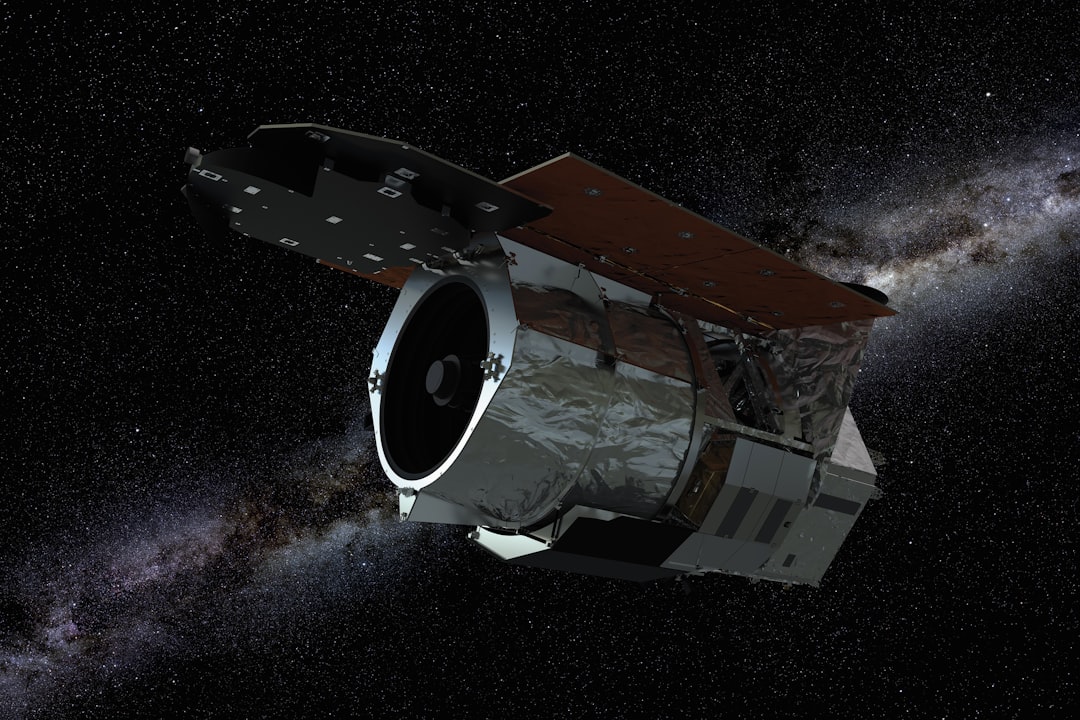
NASA currently targets the 2030s for HWO's launch, though the exact timeline depends on budget allocations and technological readiness. The mission is still in its early concept phase, with the 2020 Decadal Survey identifying it as the next flagship astrophysics mission after the Nancy Grace Roman Space Telescope, scheduled to launch in the mid-2020s.
The methodical approach embodied in studies like this BARBIE analysis increases confidence that HWO will meet its schedule and budget targets. By thoroughly investigating design trade-offs during the concept phase, NASA aims to avoid the costly surprises that delayed previous flagship missions. Each parameter defined through rigorous analysis—like this infrared wavelength cutoff—reduces uncertainty and allows engineers to proceed with greater confidence.
When HWO finally does launch and begin its survey of nearby star systems, it will represent humanity's most capable tool yet for answering one of our most profound questions: Are we alone in the universe? The telescope's ability to characterize the atmospheres of potentially habitable worlds, distinguishing between lifeless rocks and planets harboring biological activity, stems directly from foundational work like this study. By precisely defining what the telescope must be able to see and how it will see it, researchers are laying the groundwork for discoveries that could transform our understanding of life's place in the cosmos.
The careful balance struck in this research—maintaining essential scientific capabilities while avoiding the technical complexity that doomed previous missions to delays—exemplifies the mature, methodical approach now guiding the development of next-generation space telescopes. As HWO continues its journey from concept to reality, studies like this BARBIE analysis ensure that when the telescope finally photographs an Earth twin orbiting a distant star, it will have the optical engineering precision needed to tell us whether that world might harbor life.