Galaxy Outflows Likely Regulate Star Formation At 'Cosmic Noon,' NASA's Webb Reveals
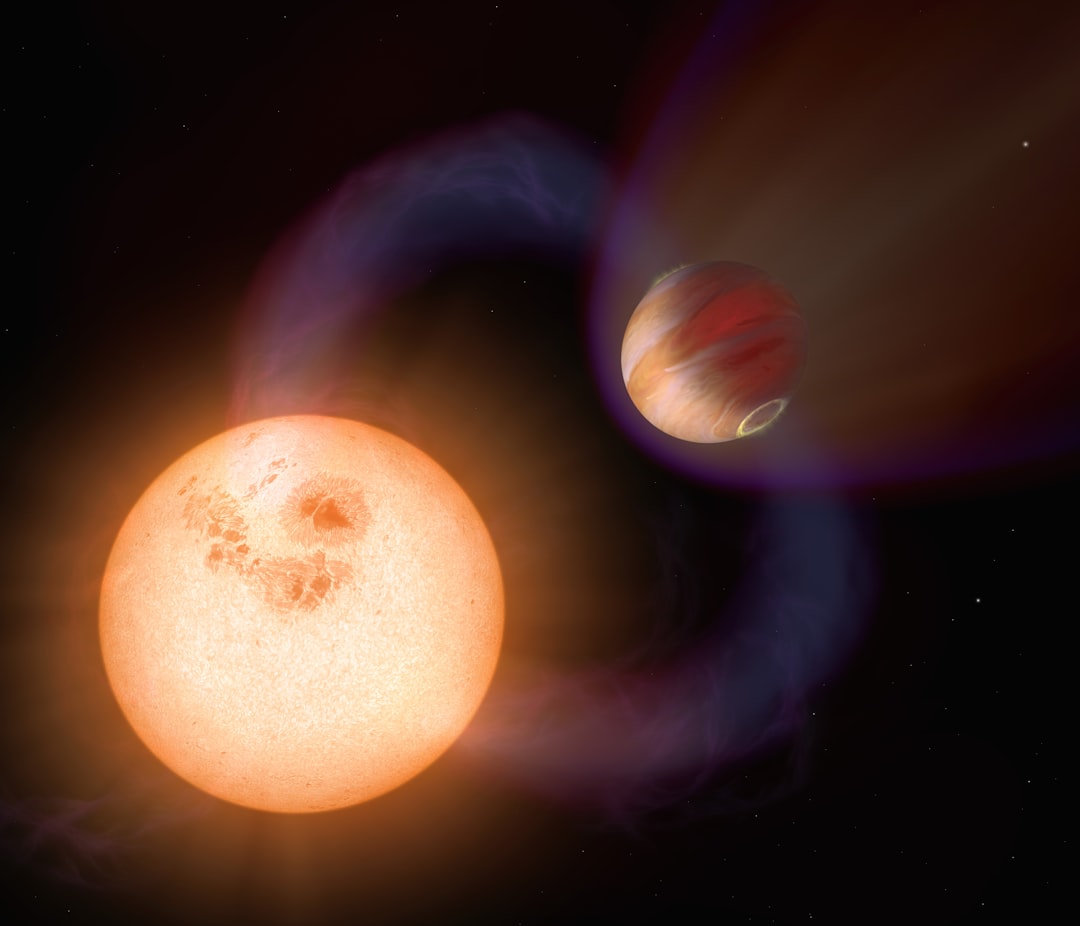
Sitting here on the outskirts of our Milky Way Galaxy, it is easy to take for granted the remarkable sequence of cosmic events that led to our existence. Our planet occupies what astronomers call a Goldilocks zone — not just around a welcoming yellow dwarf star, but within a galaxy whose own history of star formation unfolded at precisely the right pace. For decades, astronomers have suspected that the internal dynamics of massive galaxies play an outsized role in regulating that pace. Now, groundbreaking observations by NASA's James Webb Space Telescope (JWST) are confirming those suspicions with unprecedented clarity.
As described in a new paper published in the journal Astrophysics and Space Science, JWST has observed a compelling link between large-scale gaseous outflows from a massive galaxy's central core and the dramatic suppression — or quenching — of star formation during what cosmologists call 'Cosmic Noon.' This pivotal epoch, occurring roughly 8 to 12 billion years ago, represents the period when the rate of star formation per unit volume across the entire observable universe reached its absolute peak. Understanding what brought that extraordinary era of stellar birth to an end is one of the most pressing questions in modern astrophysics.
"These JWST observations have revealed that outflows are more abundant and more powerful than we thought, suggesting that the evolution of galaxies is strongly impacted by outflows." — Sirio Belli, Associate Professor, University of Bologna
What Are Galactic Outflows?
Galactic outflows are large-scale, high-velocity flows of gas streaming from the interior of a galaxy outward into the surrounding intergalactic medium. They are among the most energetic phenomena in the universe and are typically driven by one of two primary mechanisms: the collective explosive energy of supernovae — the deaths of massive stars — or the extraordinarily powerful winds generated by supermassive black holes actively consuming surrounding material, a process known as Active Galactic Nucleus (AGN) feedback.
Under normal conditions, galaxies are rich reservoirs of gas. When pockets of this gas cool sufficiently, they begin to collapse under their own gravitational weight, forming dense molecular clouds — the stellar nurseries from which new stars are born. Outflows, however, can violently disrupt this cycle by expelling vast quantities of gas far beyond the galaxy's gravitational reach, leaving too little raw material for new star formation to proceed.
Rebecca Davies, the paper's lead author and an astrophysicist at Swinburne University of Technology in Melbourne, Australia, explained the mechanism directly: "Growing supermassive black holes at the centers of galaxies drive powerful winds, blowing away gas that would otherwise form stars. With JWST, we can now measure the amount of cold star-forming gas being ejected."
This ability to directly measure cold gas in outflows marks a significant leap forward. Previous observatories were largely limited to detecting the hot, ionized component of these winds. NASA's James Webb Space Telescope, with its extraordinary infrared sensitivity, can now peer into the cooler, denser phases of these outflows — the very gas that would otherwise be forming the next generation of stars.
Cosmic Noon: The Universe's Most Productive Era
To appreciate the significance of these findings, it helps to understand the broader cosmic timeline. In the first few billion years after the Big Bang, galaxies were assembling rapidly, drawing in gas from cosmic filaments and experiencing furious bouts of star formation. By approximately 10 billion years ago, the universe had reached its most prolific star-forming period — Cosmic Noon. At this epoch, the universe was producing stars at a rate perhaps ten times higher than it does today.
Yet something caused this extraordinary activity to wind down. Massive galaxies, in particular, appear to have quenched their star formation relatively quickly and efficiently — a process that has puzzled astronomers for years. The new JWST data strongly supports the hypothesis that AGN-driven outflows were the primary mechanism responsible for shutting off the cosmic star-formation engine in these large systems.
- Cosmic Noon occurred approximately 8–12 billion years ago (redshift z ≈ 1–3)
- Star formation rates during this epoch were up to 10× higher than present-day rates
- Massive galaxies (stellar masses >1011 solar masses) are the most susceptible to AGN-driven quenching
- Outflows can expel gas at velocities exceeding 1,000 kilometers per second
- Quenched galaxies transition from blue, star-forming spirals into red, elliptical "dead" galaxies
The Role of Supermassive Black Holes
At the heart of this story lies the relationship between a galaxy and its central supermassive black hole (SMBH). Nearly every large galaxy in the universe harbors one of these gravitational behemoths — objects with masses ranging from millions to billions of times that of our Sun. When a supermassive black hole is actively accreting material, it forms what is known as an Active Galactic Nucleus (AGN), releasing prodigious amounts of energy in the form of radiation, jets, and winds.
"One possibility is that the supermassive black hole at the center of the galaxy releases a large amount of energy which removes and/or heats the gas and prevents the formation of new stars," explains Sirio Belli, Associate Professor at the University of Bologna and co-author of the study. This form of AGN feedback is now considered one of the central pillars of modern galaxy formation theory, included in virtually every major cosmological simulation of large-scale structure.
Quenching itself, however, is not a single-cause phenomenon. As Davies notes, it can occur through several pathways: a galaxy may simply exhaust its gas supply, or the available gas may be heated or made too turbulent by AGN activity to collapse into stars. In some cases, powerful radio jets launched by the central black hole can inject enormous amounts of energy into the surrounding gas, suppressing cooling and preventing new star formation across the entire galaxy.
Critically, JWST has now revealed that not all outflows lead to quenching. "Outflows are very common in massive galaxies at Cosmic Noon, but most of these galaxies are not quenching: the outflows simply keep the galaxies in equilibrium and prevent them from converting all their gas into stars too quickly," says Davies. It is only the most extreme outflow events — potentially triggered by galaxy mergers or particularly powerful AGN episodes — that push a galaxy permanently past the threshold into quiescence.
Our Own Galaxy's Quiet Giant
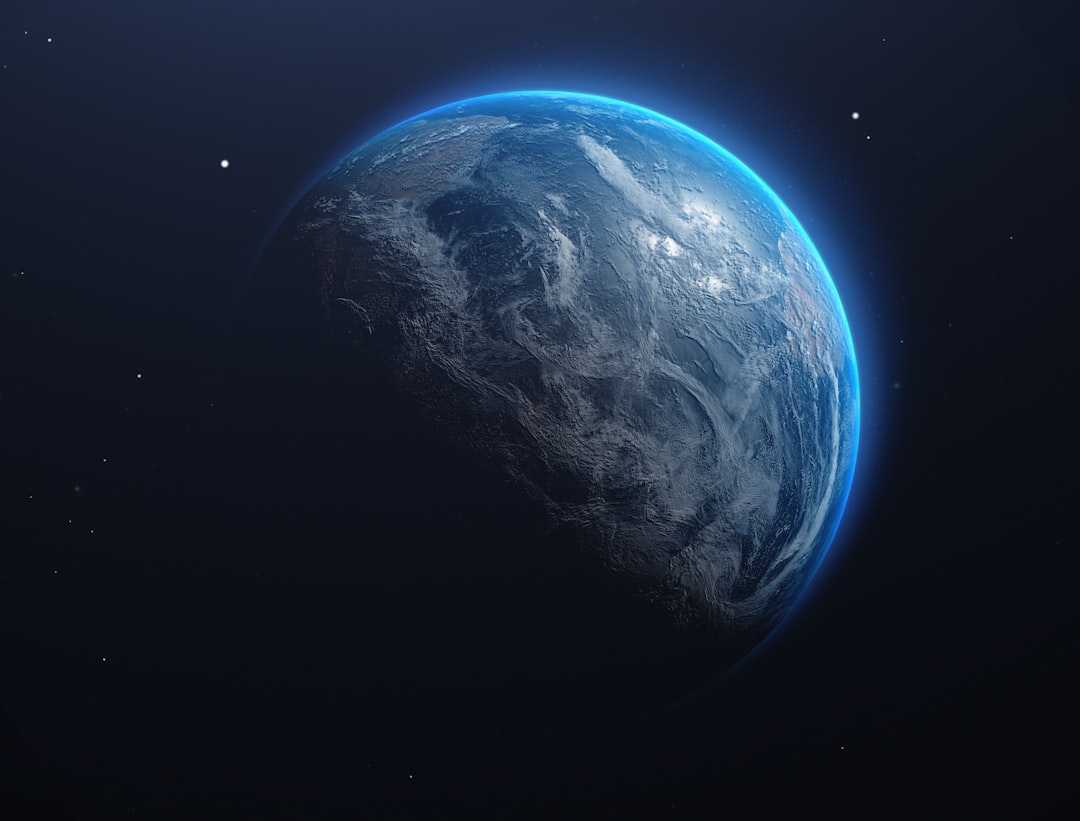
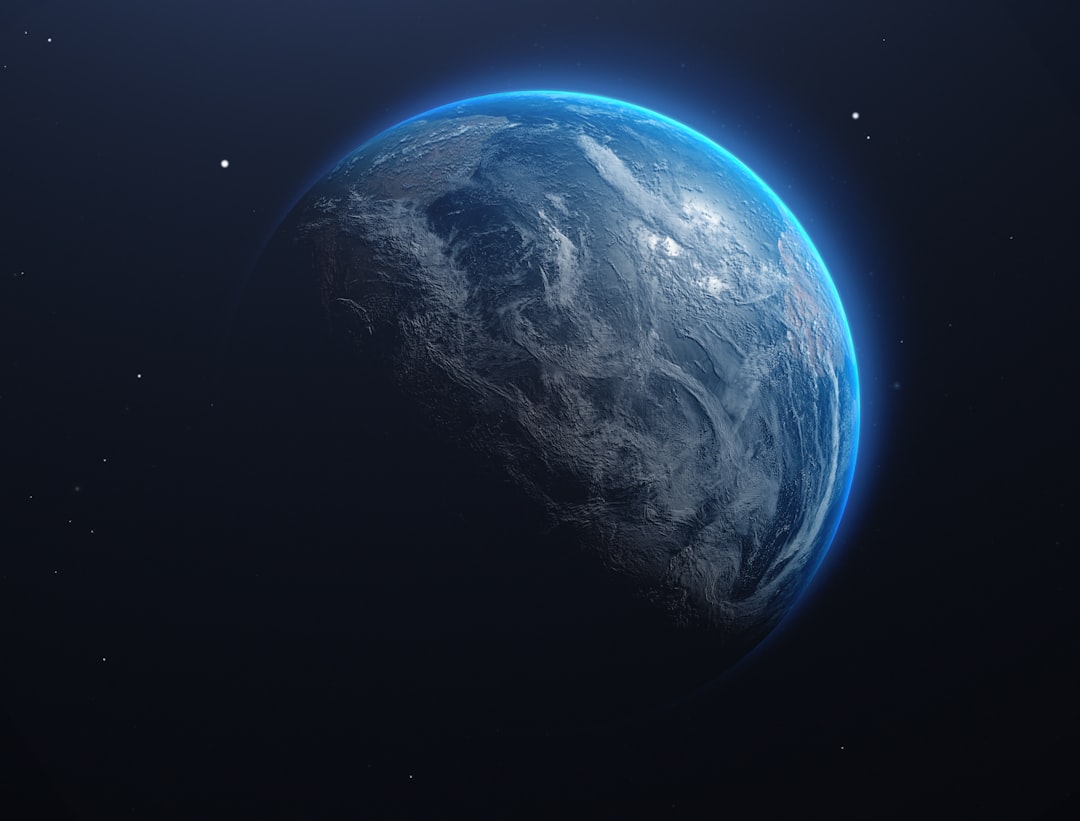
The story of cosmic quenching is not purely abstract — it has a direct and intimate connection to our own cosmic neighborhood. The Milky Way harbors its own supermassive black hole, Sagittarius A* (Sgr A*), nestled some 26,000 light-years away at the galactic center. Today, Sgr A* is remarkably quiet by AGN standards, but its history reveals a far more turbulent past.
"The Milky Way's black hole had a major flare just a few million years ago, smaller outbursts only a century or two ago, and it still flickers almost every day as hot gas swirls just outside it," says Davies. The Fermi Bubbles — enormous lobes of high-energy gas extending 25,000 light-years above and below the galactic plane — are thought to be relics of a far more energetic AGN episode hundreds of millions of years ago, a ghostly reminder of what our galaxy's central engine is capable of.
Fortunately for us, the Milky Way was not quenched at Cosmic Noon. Had it been, the consequences for our existence would have been profound. "If the Milky Way had been quenched at Cosmic Noon, it would likely not have formed many new stars in the last 10 billion years, and our Solar System — which is only 5 billion years old — would not exist today," says Belli. The Sun, the Earth, and every living thing on it are products of a galaxy that, against the odds of cosmic evolution, maintained just the right balance of star formation over billions of years. For more on galaxy formation and evolution, visit HubbleSite.
Implications for Habitability Across the Cosmos
The findings carry profound implications that extend beyond galaxy formation into the emerging field of astrobiology and the search for habitable worlds. The connection between galaxy-scale processes and the conditions necessary for life is only beginning to be explored, but the outlines of a compelling picture are already emerging.
As Belli explains: "When galaxies are quenched, the formation of new stars and planets is shut down, with strong repercussions on the probability of developing habitable systems." A quenched galaxy is, in a very real sense, a galaxy whose potential for life has been severely curtailed — not by any localized catastrophe, but by the sweeping, impersonal physics of black hole feedback operating on scales of tens of thousands of light-years.
Yet the relationship between star formation and habitability is delicate in both directions. Too little star formation, as in a quenched galaxy, eliminates the possibility of new planetary systems. But too much star formation brings its own hazards. "When star formation is too strong there are other problems, such as the large number of stellar explosions that could negatively impact the habitability of planets," says Belli. Dense star-forming regions produce far greater numbers of supernovae, whose high-energy radiation can strip planetary atmospheres and sterilize surfaces across vast distances.
This suggests that life, at least as we understand it, may preferentially arise in galaxies that have achieved a kind of Goldilocks equilibrium — massive enough to retain heavy elements forged in stellar interiors, but regulated by just the right degree of AGN feedback to sustain moderate, long-lived star formation. It is a remarkable thought: the same black hole physics that could have snuffed out star formation in the Milky Way may also be the very mechanism that kept it in check just enough to allow our Sun — and us — to exist.
The Power of JWST: A New Window on Galaxy Evolution
These discoveries would not have been possible without the extraordinary capabilities of the James Webb Space Telescope, a joint mission of NASA, ESA, and the Canadian Space Agency (CSA). Launched on December 25, 2021, JWST observes the universe primarily in infrared wavelengths, allowing it to peer through dust clouds and observe the most distant, ancient galaxies in the universe with a clarity never before achieved.
Its Near-Infrared Spectrograph (NIRSpec) and Mid-Infrared Instrument (MIRI) are particularly powerful tools for studying galaxy outflows, enabling astronomers to identify and measure the kinematics of cold molecular gas — the very phase of outflowing material most directly connected to star formation suppression. The result is a new generation of observational data that is fundamentally transforming our understanding of how the largest structures in the universe live, age, and die. For the latest JWST science results, visit the official NASA Webb mission page.
As this research continues to unfold, astronomers expect JWST to reveal ever more detailed portraits of quenching galaxies across cosmic history — filling in the missing chapters of a story that began at the dawn of the universe and whose final pages, in many ways, include our own.