New Observations Reveal How Supermassive Black Holes Stir Up the Gas Surrounding Entire Galaxies
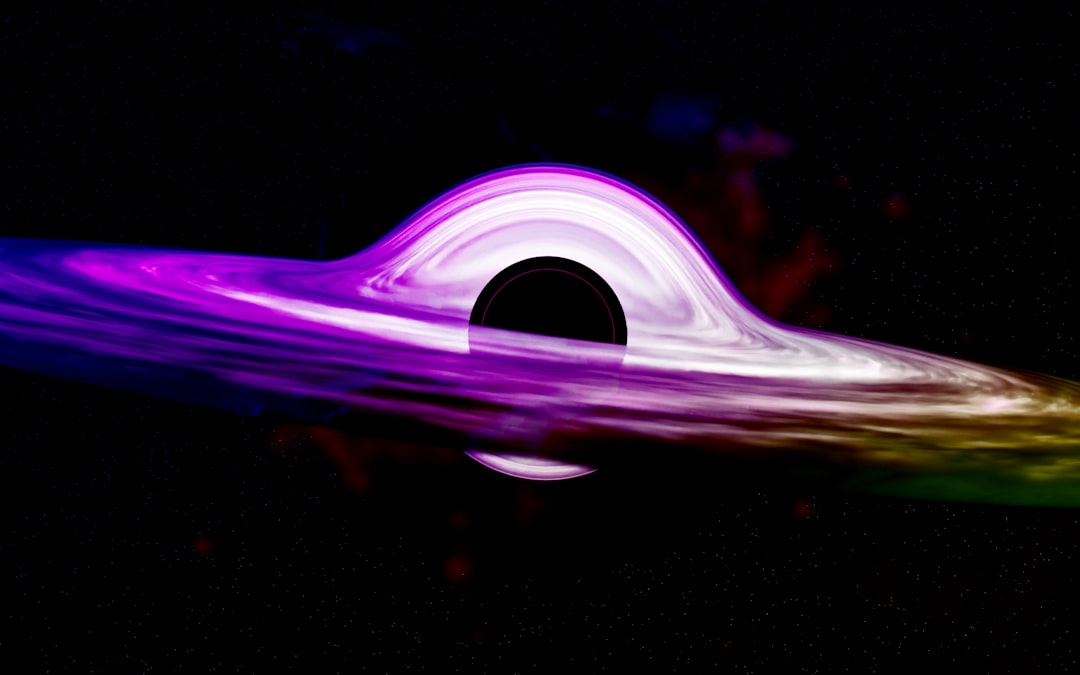
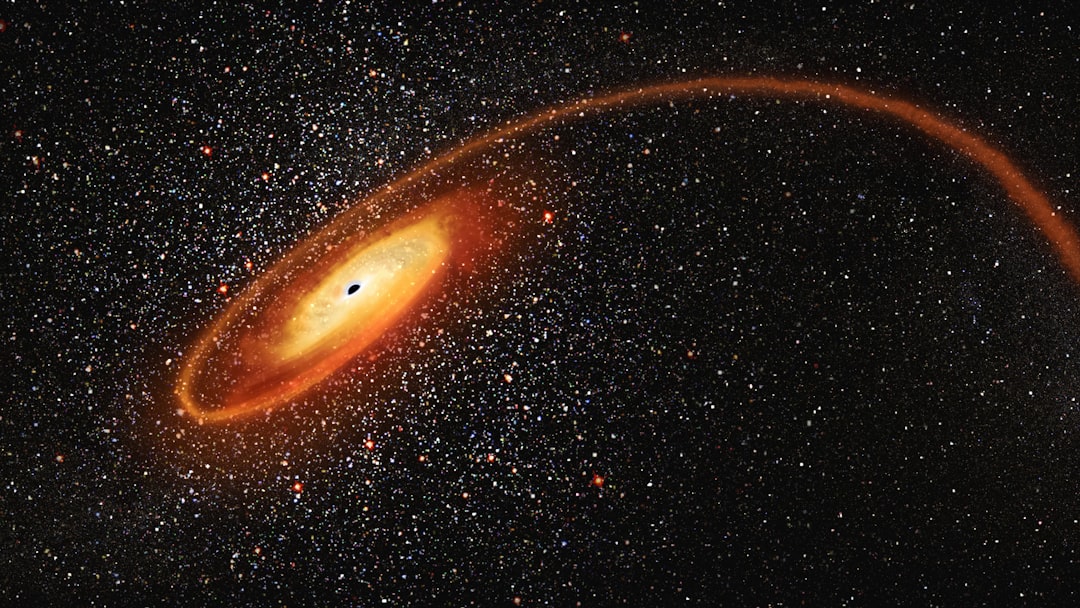
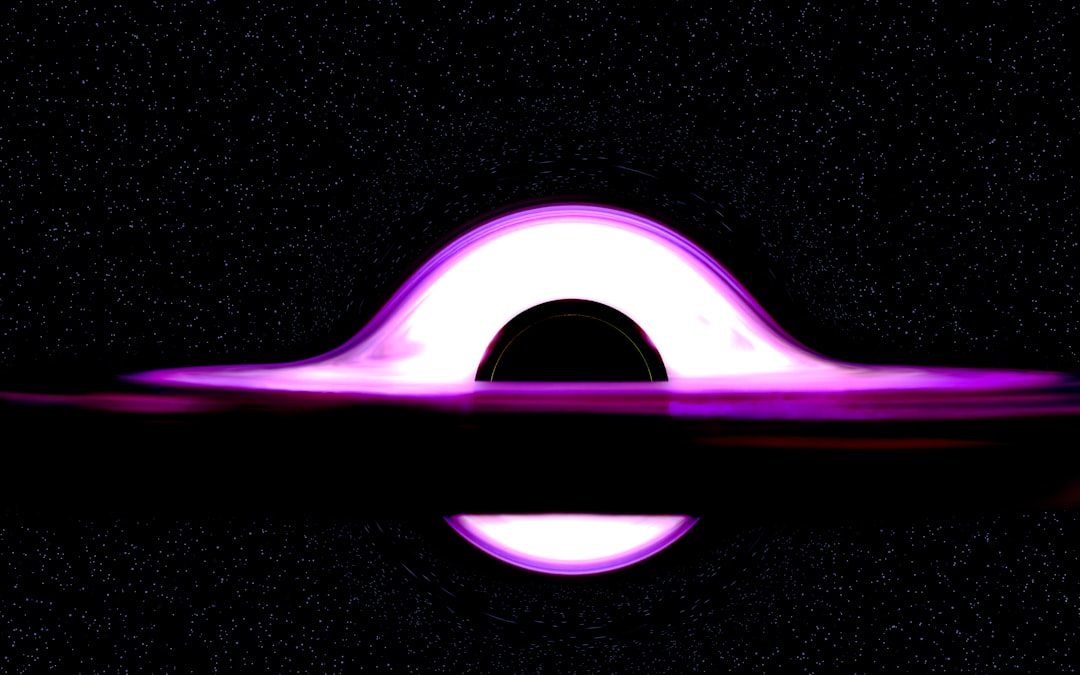
Supermassive black holes rank among the most powerful engines in the known universe. Capable of ripping stars apart in violent tidal disruption events, feeding on vast quantities of infalling matter, and blasting colossal relativistic jets of ionized plasma at near-light speeds, these gravitational behemoths defy intuition at every turn. Yet for all their ferocity, they are, in cosmological terms, remarkably compact objects — confined to a region no larger than a solar system, despite containing millions or even billions of times the mass of our Sun.
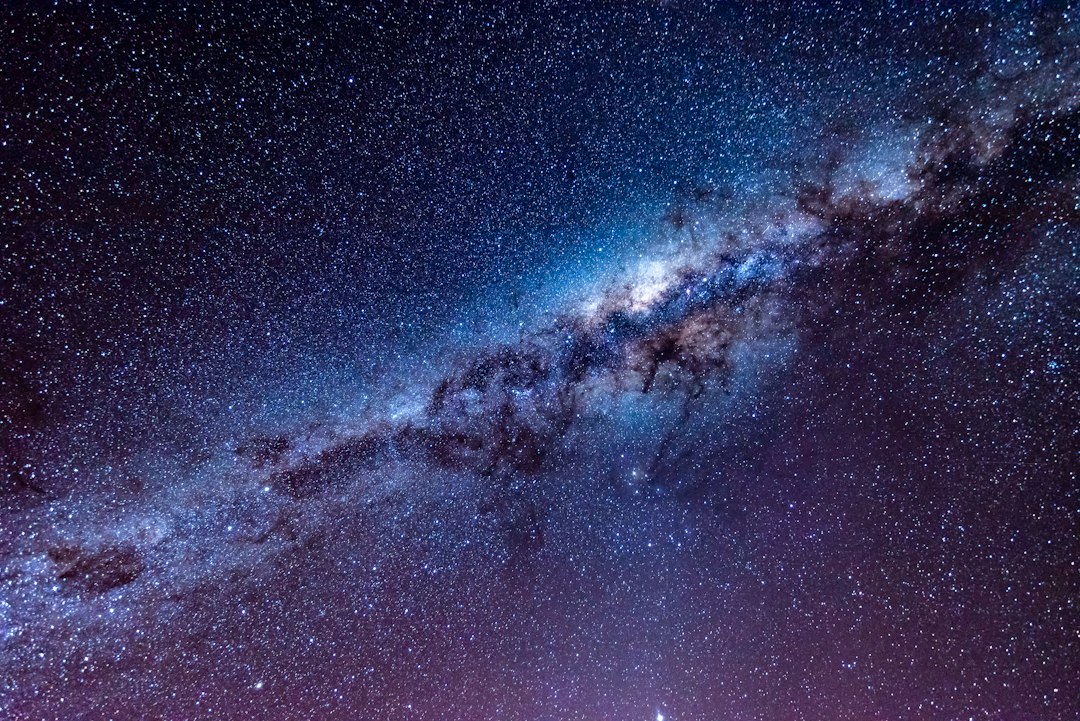
The galaxies that host these cosmic titans are another matter entirely. Stretching across more than 100,000 light-years and harboring upward of 100 billion solar masses in stars, gas, and dark matter, a galaxy dwarfs its central black hole by almost incomprehensible proportions. This stark size disparity raises one of the most compelling open questions in modern astrophysics: how can something so localized exert such a profound influence on the structure and evolution of an entire galaxy? A new study published in The Astrophysical Journal Letters provides a striking new piece of this puzzle, revealing a subtle but far-reaching mechanism by which black hole jets heat and disturb gas at the very edges of galaxies.
The Intimate Connection Between Black Holes and Their Host Galaxies
Over the past three decades, astronomers have amassed compelling evidence that supermassive black holes and their host galaxies are not merely neighbors — they are deeply co-evolved partners. The discovery of tight correlations between black hole mass and galaxy properties, such as the M-sigma relation linking black hole mass to the velocity dispersion of stars in the galactic bulge, suggests that the two grow together and regulate each other over cosmic time. This interplay is broadly referred to as AGN feedback — the process by which an Active Galactic Nucleus (AGN) pumps energy back into its surrounding environment.
Most research into AGN feedback has naturally concentrated on the dense central regions of galaxies, where the black hole resides and where the lion's share of stars, gas, and dust are found. Jet-driven outflows, radiation pressure from accreting material, and thermally driven winds are all well-studied phenomena in these inner zones. But this new study takes a bold step outward, turning attention to the vast, diffuse gas reservoir that enshrouds entire galaxies — the circumgalactic medium (CGM).
What Is the Circumgalactic Medium?
Although the luminous stellar disk is the most visually obvious component of a galaxy, it is surrounded by an enormous, largely invisible halo of gas known as the circumgalactic medium. The CGM extends hundreds of thousands of light-years beyond the stellar disk — in some cases approaching the virial radius of the dark matter halo itself — and contains a significant fraction of a galaxy's total baryonic mass. Far from being a passive bystander, the CGM plays a critical role in galactic evolution:
- It acts as a reservoir of fuel, slowly cooling and raining inward to replenish the galaxy's supply of star-forming gas.
- It serves as a repository for outflows, capturing material expelled by supernovae, stellar winds, and AGN-driven jets.
- It regulates the rate of star formation by controlling how much cool gas reaches the galactic disk.
- It encodes the chemical enrichment history of a galaxy, preserving metals expelled by previous generations of stars.
The CGM is notoriously difficult to observe directly because of its low density and diffuse nature. Nonetheless, surveys using absorption lines in the spectra of background quasars and emission line mapping have provided tantalizing glimpses of its properties. One persistent mystery is why so much CGM gas appears to linger at the outer edges of galaxies rather than cooling and falling inward to feed star formation — a challenge sometimes called the "missing baryon" problem or the cooling flow problem. The leading hypothesis implicates the galaxy's central black hole, and this new study offers fresh observational evidence in support of that idea.
Jets, Ionized Gas, and a Surprising Reach
The research team, led by Namrata Roy and colleagues, designed their study to trace the influence of black hole jets on the surrounding CGM in unprecedented detail. They focused on two key observational signatures:
- H-alpha (Hα) emission: A characteristic red spectral line produced when ionized hydrogen recombines with a free electron. The presence of Hα emission is a reliable tracer of warm, ionized gas — indicating temperatures sufficient to strip electrons from hydrogen atoms.
- Magnesium absorption lines: These features in the spectra of background light sources can reveal the temperature and density structure of intervening gas clouds within the CGM, serving as a complementary diagnostic tool.
To conduct their analysis, the team combined data from two powerful astronomical surveys: the Dark Energy Spectroscopic Instrument (DESI) survey, which provides high-quality optical spectroscopy across vast swaths of sky, and the LOFAR Two-meter Sky Survey (LoTSS), which maps radio emission from relativistic jets with exceptional sensitivity. By cross-matching radio galaxies with active jets from LoTSS against the spectroscopic database of DESI, the team assembled a statistically robust sample of hundreds of galaxies from which to draw conclusions.
"The jets heat the circumgalactic medium more than we thought — not just along the jet axis, but across a wider swath of the surrounding gas environment."
— Roy et al., The Astrophysical Journal Letters, 2026
As expected, the team detected enhanced Hα emission in close proximity to the jets themselves — a region where the relativistic plasma directly compresses and ionizes surrounding material. But the striking finding was that elevated Hα emission extended well beyond the immediate jet axis, into regions of the CGM that had previously been considered largely insulated from jet activity. This indicates that light and energetic radiation from the jets — rather than direct mechanical interaction — are capable of ionizing gas across a substantially broader volume than previously assumed. This process, known as photoionization, effectively means the jets are "lighting up" the CGM from a distance, much like a lighthouse illuminating a foggy harbor.
Complementing this picture, the analysis of magnesium absorption lines revealed a subtler, cooler component of the CGM at lower overall temperatures. This two-temperature structure — with localized warm regions near the jets and a cooler ambient medium — strongly implies that the heating is driven specifically by the jet activity rather than by more diffuse sources of energy such as stellar feedback or the cosmic ultraviolet background.
Stirring the Pot: Implications for Star Formation
The physical consequences of this extended jet heating are significant. Under normal circumstances, the CGM would gradually lose energy through radiation, causing the gas to cool and condense. This cool gas would then fall inward — a process called cooling flow — replenishing the galactic disk with fresh raw material for star formation. By injecting heat into the CGM, the jets effectively slow or halt this process, keeping the gas too warm to collapse.
This mechanism, sometimes called jet-mode AGN feedback or radio-mode feedback, has long been invoked in theoretical models and cosmological simulations to explain why massive galaxies cease forming stars and become "red and dead" ellipticals. Without a continuous heating source, simulations predict that galaxies should accumulate far more stellar mass than is actually observed — a classic discrepancy known as the overcooling problem. The new observational results from Roy and colleagues provide direct, empirical support for the idea that radio jets are indeed capable of suppressing star formation by thermally agitating the CGM at large radii.
Importantly, the study also underscores that this is a subtle process. The jets do not completely obliterate the CGM or drive it away from the galaxy in a single catastrophic event. Instead, they gently but persistently stir the reservoir, exchanging heat and maintaining the gas in a warm, diffuse state that resists collapse. This nuanced picture aligns well with the observed properties of massive, quiescent galaxies, which retain large CGM gas halos despite having largely shut down their star-forming activity.
Broader Context: The Role of Radio Galaxies in Cosmic Evolution
This study fits into a growing body of work examining how radio galaxies — galaxies whose central supermassive black holes are actively launching powerful radio-emitting jets — shape not only their own evolution but potentially that of their large-scale cosmic environment. Research programs like those conducted with the ESA Herschel Space Observatory and the Hubble Space Telescope have revealed intricate relationships between AGN activity, gas dynamics, and star formation across a wide range of cosmic epochs.
Looking ahead, next-generation facilities promise to sharpen this picture dramatically. The Square Kilometre Array (SKA), currently under construction in South Africa and Australia, will map radio jets with sensitivity and resolution far exceeding current instruments like LOFAR, enabling studies of jet-CGM interactions across a far larger and more diverse population of galaxies. Meanwhile, upcoming wide-field spectroscopic surveys will complement radio data with detailed maps of CGM emission across cosmic time, allowing astronomers to trace the evolution of this feedback mechanism from the early universe to the present day.
Conclusion: Distant Giants, Far-Reaching Consequences
The central message of this research is both elegant and profound: a supermassive black hole, confined to a region no larger than our solar system, can reach out across hundreds of thousands of light-years and influence the fate of gas at the very periphery of its host galaxy. By heating and stirring the circumgalactic medium, the black hole's jets quietly throttle the supply of raw material available for star formation — shaping the destiny of an entire galaxy without ever directly touching most of it.
Galactic black holes are rightly feared as destroyers — capable of shredding stars and swallowing matter with ruthless efficiency. But as this study elegantly demonstrates, their influence extends far beyond their immediate gravitational grasp. In the quiet, diffuse outskirts of a galaxy, where gas slowly cools and dreams of becoming new stars, the distant hum of a black hole's jet can be enough to silence that process entirely.
Reference: Roy, Namrata, et al. "Lighting Up the Circumgalactic Medium: Strong, Jet-aligned Hα Emission around Radio Galaxies." The Astrophysical Journal Letters 1009.2 (2026): L34.