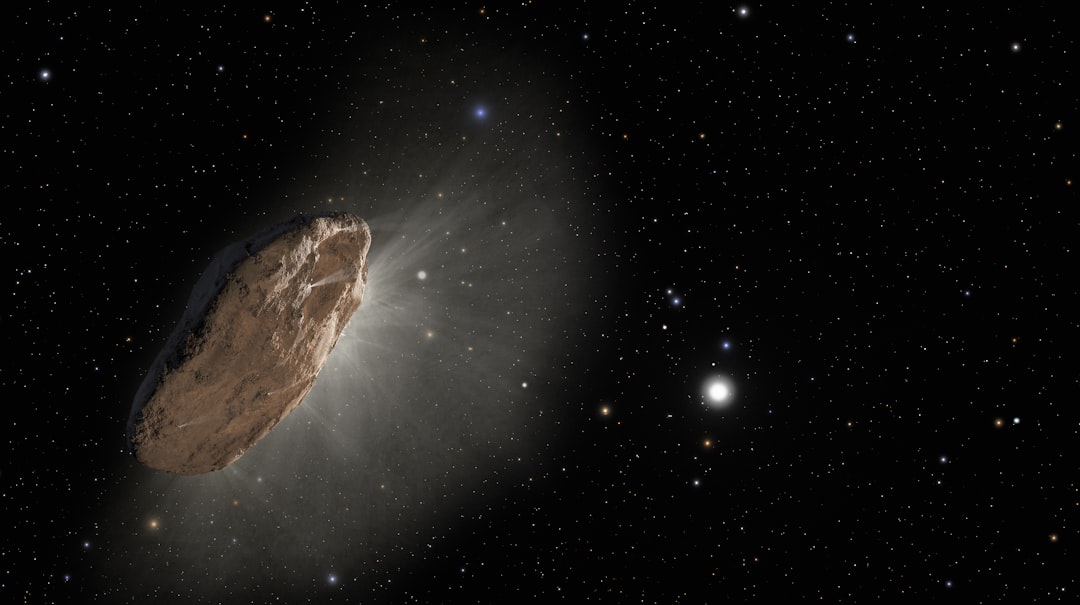
New Revelations About the Origin of Interstellar Comet 3I/ATLAS
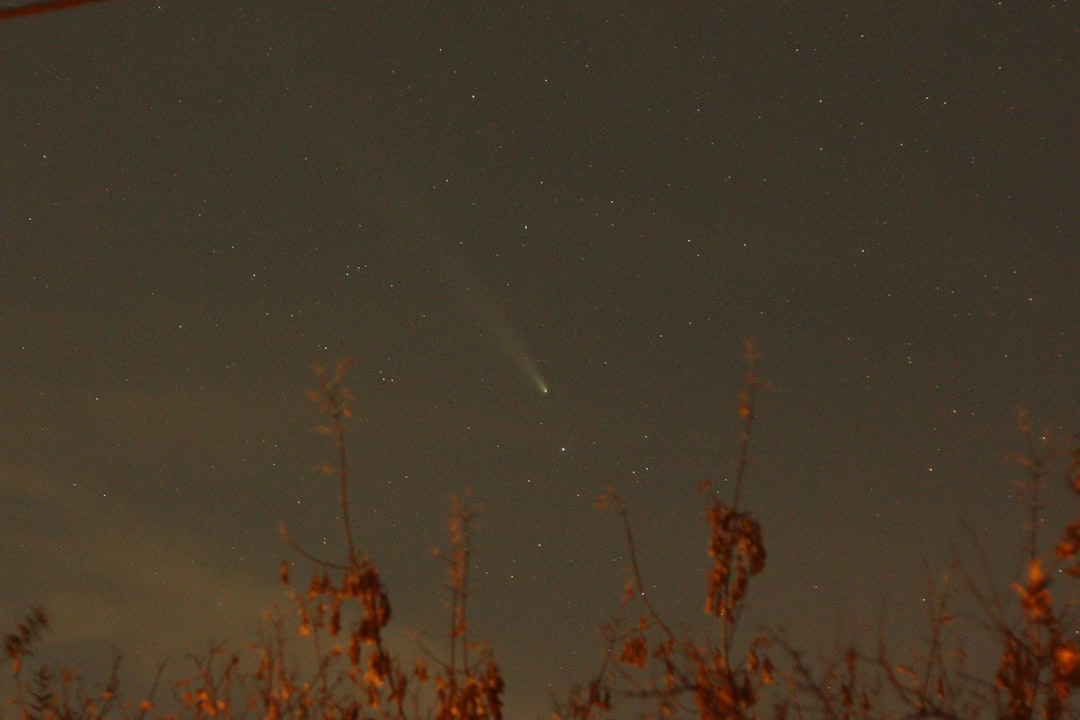
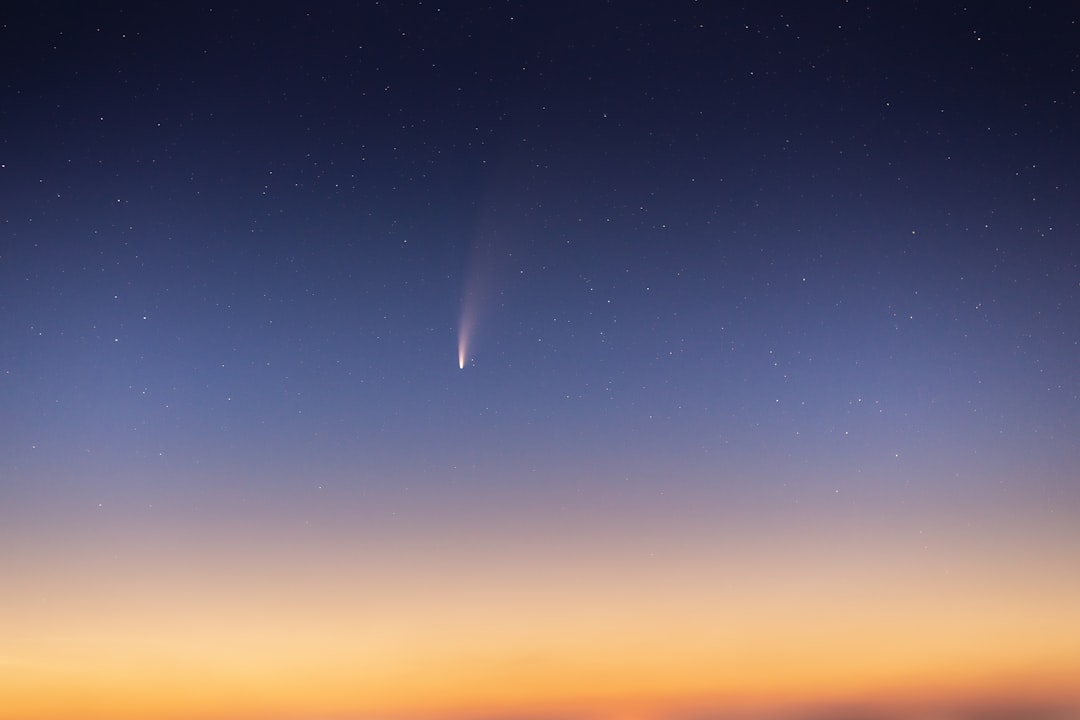
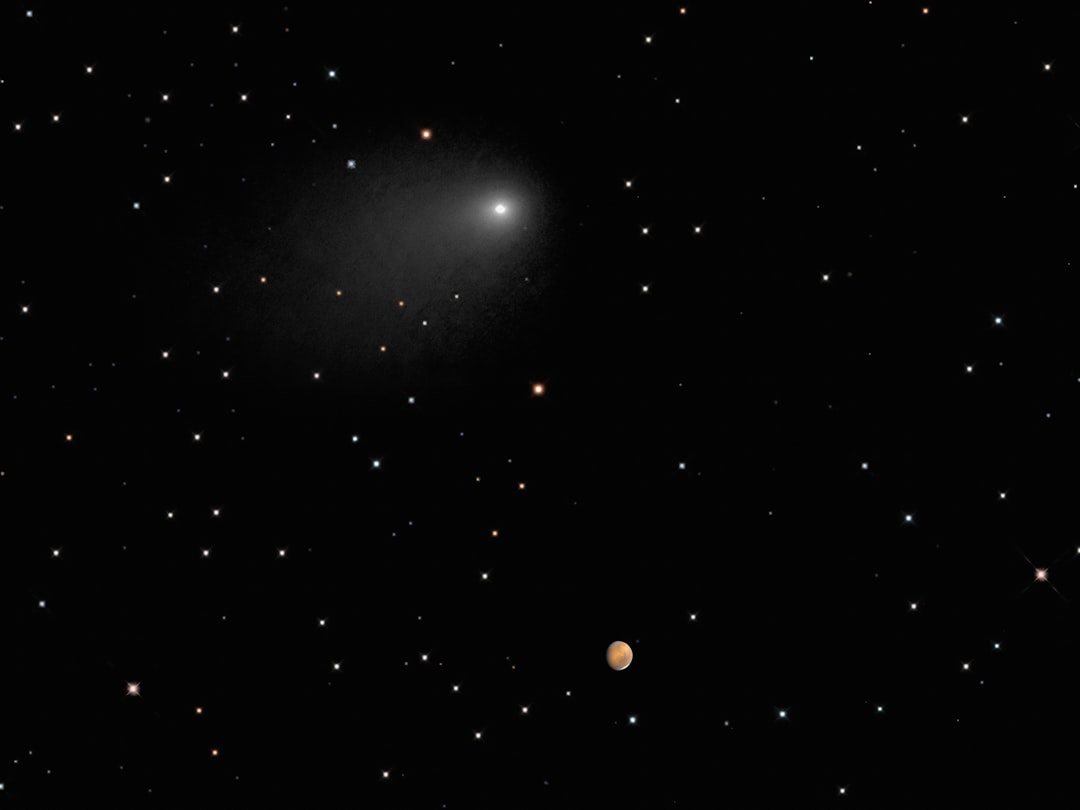
Ever since 3I/ATLAS swept through the inner Solar System — swinging past Earth and looping in a dramatic arc around the Sun — astronomers have been working tirelessly to unravel the origins of this extraordinary cosmic visitor. As only the third interstellar object (ISO) ever detected by humanity, 3I/ATLAS has already rewritten our expectations of what these rare travelers can reveal. Now, a new study offers the most detailed compositional portrait of an interstellar object ever assembled, with profound implications for our understanding of planetary formation across the galaxy.
The comet exhibited considerable outgassing — the release of volatile compounds trapped in its icy body — both before and after its closest approach to the Sun, known as perihelion. But it was the dramatic outbursts of material that erupted as 3I/ATLAS emerged from behind the Sun that proved truly revelatory, exposing fresh layers of pristine interior material untouched for potentially billions of years. Scientists seized on this fleeting opportunity, gathering spectroscopic data of extraordinary richness and detail.
A Paper That Changes the Field
Published in the Monthly Notices of the Royal Astronomical Society, the new study — led by researchers using one of astronomy's most capable new instruments — presents a compelling case for where 3I/ATLAS was born. The team concluded that the comet formed in extremely cold conditions, likely in the frigid outer reaches of its parent star system, billions of kilometers from its host star. This finding represents a landmark first for ISO science and opens an exciting new chapter in comparative planetology.
"This object gives us a rare chance to study material that formed somewhere completely different to our own Solar System. Finding that it's so rich in nitrogen tells us it likely formed in extremely cold conditions, far from its home star. Every one of these objects we study helps us understand a little more about how planets form around other stars." — Dr. Léa Ferellec, Lead Author, University of Northumbria
The Instrument Behind the Discovery
The research was made possible through the remarkable capabilities of the WHT Enhanced Area Velocity Explorer (WEAVE), a state-of-the-art multi-object spectrograph mounted on the Isaac Newton Group's (ING) 4.2-meter William Herschel Telescope (WHT), located at the Roque de los Muchachos Observatory on La Palma in the Canary Islands. WEAVE represents one of the most significant instrumentation upgrades in European observational astronomy in recent years, offering exceptional sensitivity across a wide range of optical wavelengths.
By combining WEAVE's Large Integral Field Unit (LIFU) spectroscopy with the WHT's enhanced guiding capabilities, the team was able to examine the ionized gases streaming from 3I/ATLAS as it began its journey out of our Solar System. The LIFU mode allowed researchers to map the spatial distribution of chemical species simultaneously across the extended coma and tail of the comet — a feat that would have been impossible with traditional long-slit spectroscopy. This approach yielded a three-dimensional chemical portrait of an interstellar body for the very first time.
Five Key Ions and What They Reveal
The WEAVE instrument successfully identified five distinct ionic species present simultaneously within the comet's outflow. These were:
- Dinitrogen (N₂⁺) — a rare and highly significant tracer of extremely cold formation environments
- Carbon monoxide ions (CO⁺) — a well-known volatile species common in cold cometary environments
- Carbon dioxide ions (CO₂⁺) — indicative of sublimating icy material energized by solar radiation
- Water ions (H₂O⁺) — a hallmark of cometary activity, produced as water ice sublimates near the Sun
- Hydrocarbon ions (CH⁺) — suggesting the presence of more complex organic chemistry in 3I/ATLAS's composition
Of particular scientific significance was the detection of dinitrogen (N₂⁺). This ion is rarely detected in Solar System comets because molecular nitrogen requires extremely cold temperatures — below -240°C (-400°F) — to be trapped in ices during a body's formation. Its presence in substantial quantities is therefore a powerful indicator of a frigid birthplace. By carefully measuring the ratio of N₂⁺ to CO⁺, the researchers were able to set a firm upper limit on the temperature of the environment where 3I/ATLAS originally formed.
A Kuiper Belt or Oort Cloud Analog Around Another Star
The chemical evidence points strongly toward 3I/ATLAS having originated in the cold, distant outer reaches of its home star system — a region analogous to our own Kuiper Belt or the even more distant Oort Cloud. In our Solar System, both of these regions harbor vast reservoirs of primordial icy bodies that have been preserved in deep cold since the planets first formed some 4.6 billion years ago. Objects originating from these zones — such as long-period comets visiting the inner Solar System for the first time — carry chemical records of the earliest stages of planetary system construction.
The implication is striking: wherever 3I/ATLAS came from, its parent star system appears to have hosted a similar architecture of cold, distant icy reservoirs. This suggests that such structures may be common features of planetary systems throughout the Milky Way, lending weight to the idea that the processes that built our own Solar System are not exceptional, but rather universal.
Mapping the Comet's Tail in Unprecedented Detail
Beyond the bulk compositional analysis, the research team went a step further by examining how the ion ratios varied along the length of the comet's plasma tail. The plasma tail forms when the solar wind — a constant stream of charged particles emanating from the Sun — sweeps ionized material from the comet's coma directly away from the Sun along magnetic field lines. By tracking how the concentrations of different ions changed with distance from the nucleus, scientists can probe the chemical evolution and photodissociation processes occurring within the tail itself.
Notably, the team detected only a marginal decrease in hydrocarbon ions along the tail — a finding with implications for understanding the stability and lifetime of these species in the interplanetary medium. This level of spatially resolved ion mapping along a cometary tail represents a genuine first for interstellar object science, demonstrating the transformative power of integral-field spectroscopy for Solar System body research.
Co-author Rubén Sánchez-Janssen highlighted the broader significance of the instrumentation breakthrough:
"Powerful, large-format IFUs with high sensitivity in the blue optical spectrum — like WEAVE-LIFU on the WHT — are opening new frontiers for the study of comets and other solar system objects. This discovery is a perfect example of the value of DDT, which is specifically designed to enable observations of exceptional and urgent scientific importance."
The reference to Director's Discretionary Time (DDT) is significant. DDT allocations allow telescope directors to authorize immediate observations of unexpected, time-critical phenomena — bypassing standard proposal cycles that could take months. Without this mechanism, the fleeting window to observe 3I/ATLAS at its most scientifically valuable moment would have been lost entirely.
The Growing Legacy of Interstellar Objects
The story of interstellar object science is a remarkably young one. It was only in 2017 that 'Oumuamua — the first ISO ever detected — was spotted tumbling through the inner Solar System, leaving scientists with more questions than answers about its nature. Its unusual cigar or disc-like shape, non-gravitational acceleration, and lack of detectable outgassing generated intense debate that continues to this day. Then, in 2019, 2I/Borisov arrived as a far more recognizable object — a comet in both appearance and behavior — allowing scientists to characterize its composition as broadly similar to Solar System comets, albeit with some intriguing differences in its CO abundance.
Each successive discovery has been accompanied by improved instrumentation and methodology. 3I/ATLAS represents a quantum leap in what scientists can extract from these transient visitors. The detection of five simultaneous ion species, the spatial mapping of a plasma tail, and the firm constraints on formation temperature all mark significant advances over what was possible just a few years ago.
Asteroids and comets are, in essence, preserved building blocks — the leftover detritus of planetary formation, frozen in time since their parent systems coalesced. When one of these relics escapes its home system and journeys across interstellar space to enter ours, it carries within it a chemical time capsule from a completely different part of the galaxy. Studying ISOs is therefore tantamount to remote sampling of exoplanetary systems — achieving in some measure what no spacecraft could accomplish within any foreseeable timeframe.
Implications for Future Interstellar Object Research
The findings from 3I/ATLAS set a powerful precedent for how future ISOs should be observed. The upcoming Vera C. Rubin Observatory, with its Legacy Survey of Space and Time (LSST), is expected to dramatically increase the rate of ISO detection — potentially identifying multiple interstellar visitors each year. With the lessons learned from 'Oumuamua, 2I/Borisov, and now 3I/ATLAS, the astronomical community will be far better prepared to mobilize rapid-response observations the moment the next ISO is confirmed.
The key findings and their broader implications can be summarized as follows:
- The N₂⁺/CO⁺ ratio is now established as a robust thermometer for inferring ISO formation temperatures — a methodology applicable to all future discoveries
- Integral-field spectroscopy via instruments like WEAVE-LIFU should be considered an essential tool in the ISO observational toolkit
- The presence of cold outer-system chemistry in 3I/ATLAS suggests that Kuiper Belt and Oort Cloud analogs may be widespread around other stars
- Director's Discretionary Time allocation mechanisms are critical infrastructure for time-sensitive transient astronomy
- Each ISO studied strengthens our emerging picture of the universality of planetary system architecture across the galaxy
As Dr. Léa Ferellec of the University of Northumbria's School of Engineering, Physics and Mathematics emphasized, every interstellar object studied adds another piece to the grand puzzle of how planets — and by extension, potentially life — emerge around other stars. The fourth interstellar object, whenever it arrives, will be met by a scientific community armed with sharper tools, deeper knowledge, and an ever-growing appreciation for these rare messengers from the stars.