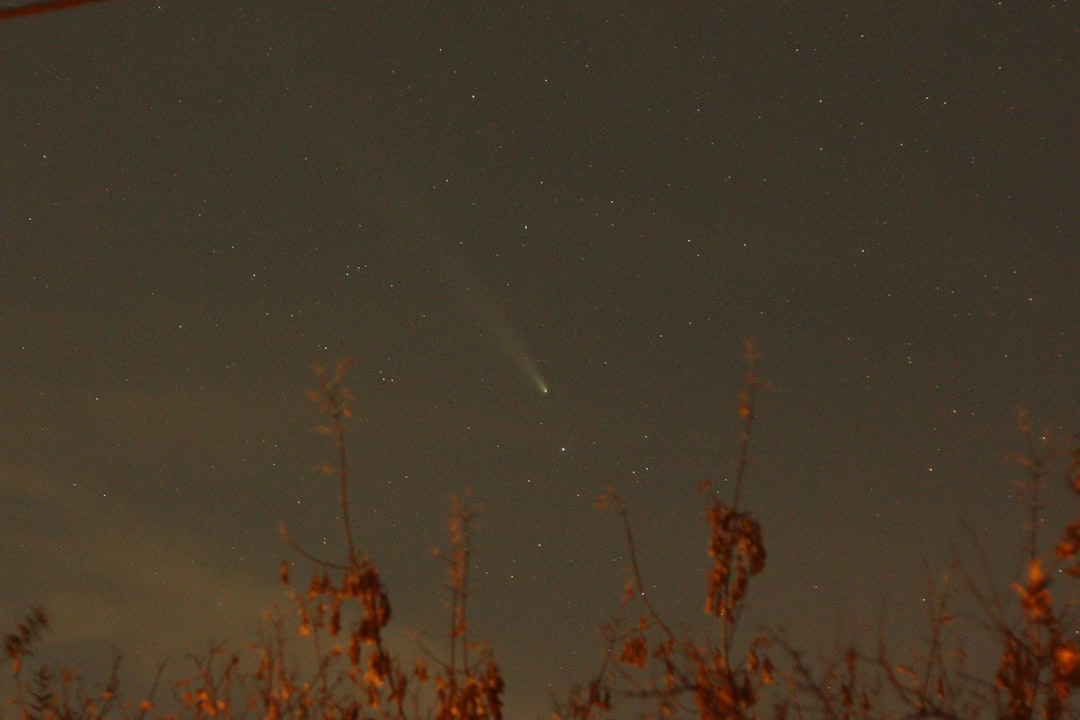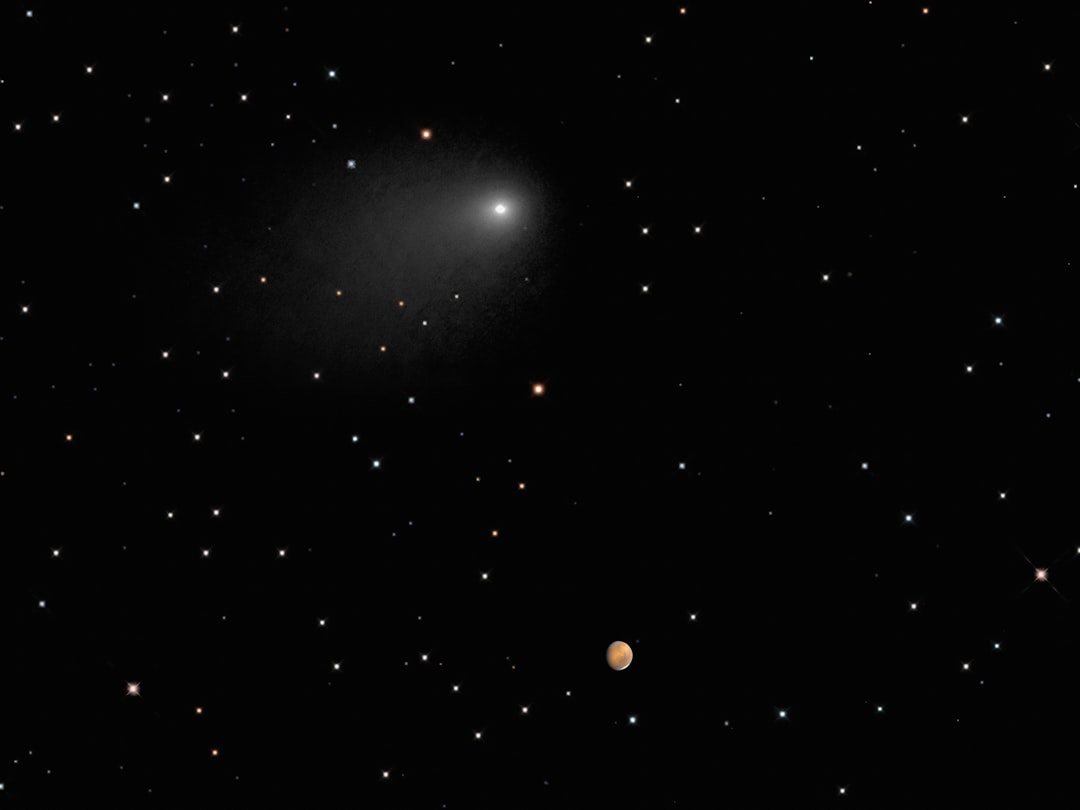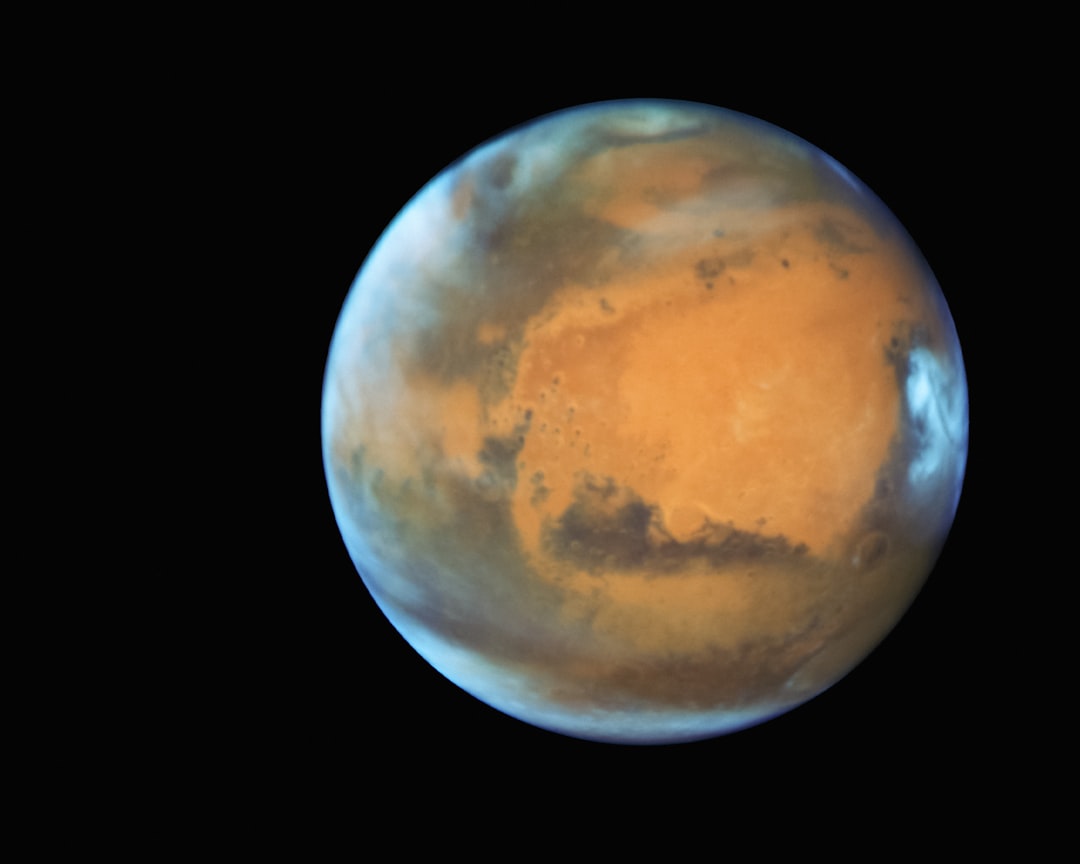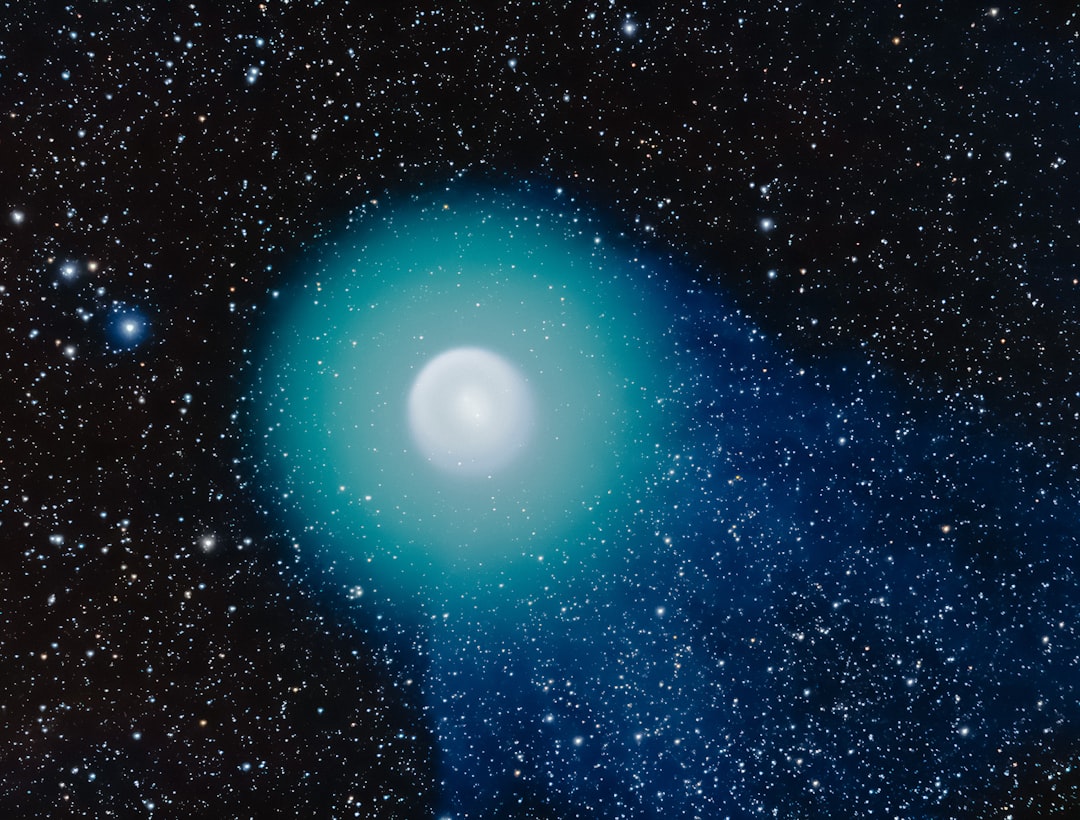
In a groundbreaking astronomical first, the European Space Agency (ESA) has successfully used a spacecraft orbiting Mars to pinpoint the trajectory of an interstellar comet. The ExoMars Trace Gas Orbiter (TGO) observed the fast-moving comet 3I/ATLAS as it passed near the Red Planet in October 2025, providing crucial data to refine the object's path through our Solar System. This innovative technique opens new possibilities for tracking potentially hazardous objects and marks a major milestone in interplanetary collaboration for planetary defense.
The Rarity of Interstellar Visitors
Interstellar objects like 3I/ATLAS are exceedingly rare, with only three confirmed detections since the first, 'Oumuamua, was spotted in 2017. These cosmic wanderers offer fleeting glimpses into the composition and dynamics of other star systems, but their hyperbolic trajectories make detailed study challenging. As 3I/ATLAS hurtled through our cosmic neighborhood at a blistering 250,000 kilometers per hour, astronomers scrambled to refine its trajectory using Earth-based telescopes.
"Interstellar objects are really rather rare. Since astronomers first spotted 'Oumuamua racing through our Solar System in 2017, we've detected only two more visitors from beyond; comet Borisov in 2019, and now 3I/ATLAS, discovered on 1 July 2025. These objects offer tantalising glimpses into other stellar systems, carrying material formed around distant stars. But they don't linger." - ESA
Repurposing the ExoMars Orbiter
In an inspired feat of celestial sleuthing, ESA scientists realized the ExoMars TGO was perfectly positioned to observe 3I/ATLAS as it passed within 29 million kilometers of Mars between 1 and 7 October. The spacecraft's Colour and Stereo Surface Imaging System (CaSSIS), normally tasked with high-resolution imaging of the Martian surface, was cleverly repurposed to capture the tiny comet against a backdrop of stars.
By observing 3I/ATLAS from a vantage point ten times closer than Earth and at a different angle, TGO's data dramatically reduced the uncertainty in the comet's predicted position when combined with Earth-based measurements. However, this ingenious solution presented significant technical challenges:
- Adapting CaSSIS, designed for surface imaging, to photograph a distant, moving target
- Accounting for the TGO's rapid orbit around Mars and Mars' own motion around the Sun
- Collaborating across multiple ESA teams to maximize precision in a novel scenario
A Milestone for Planetary Science
The successful tracking of 3I/ATLAS from Mars orbit represents a landmark achievement. The measurements were the first astrometric data from a spacecraft at another planet to be officially accepted by the Minor Planet Center, the global authority for asteroid and comet observations.
While 3I/ATLAS itself posed no threat to Earth, the proof-of-concept demonstrated the immense value of using spacecraft across the Solar System as a planetary defense network. In the event of a potentially hazardous object being discovered on a collision course with Earth, having multiple observation platforms could deliver the trajectory accuracy needed to mount a successful deflection mission.
Implications for the Future
As we continue to scour the skies for interstellar visitors and potential threats, the innovative use of existing space assets showcases the power of creative thinking and collaboration in planetary science. By leveraging spacecraft like the ExoMars TGO as impromptu observers, we expand our capabilities to track, study, and ultimately protect against cosmic hazards.
This remarkable achievement underscores the vital importance of sustained investment in a diverse array of planetary defense projects. From Earth-based telescopes to deep space missions, each plays a critical role in safeguarding our pale blue dot from the vast celestial shooting gallery in which it resides. As we continue to explore the wonders of the Universe, let us also remember the importance of vigilance and ingenuity in the face of the unknown.