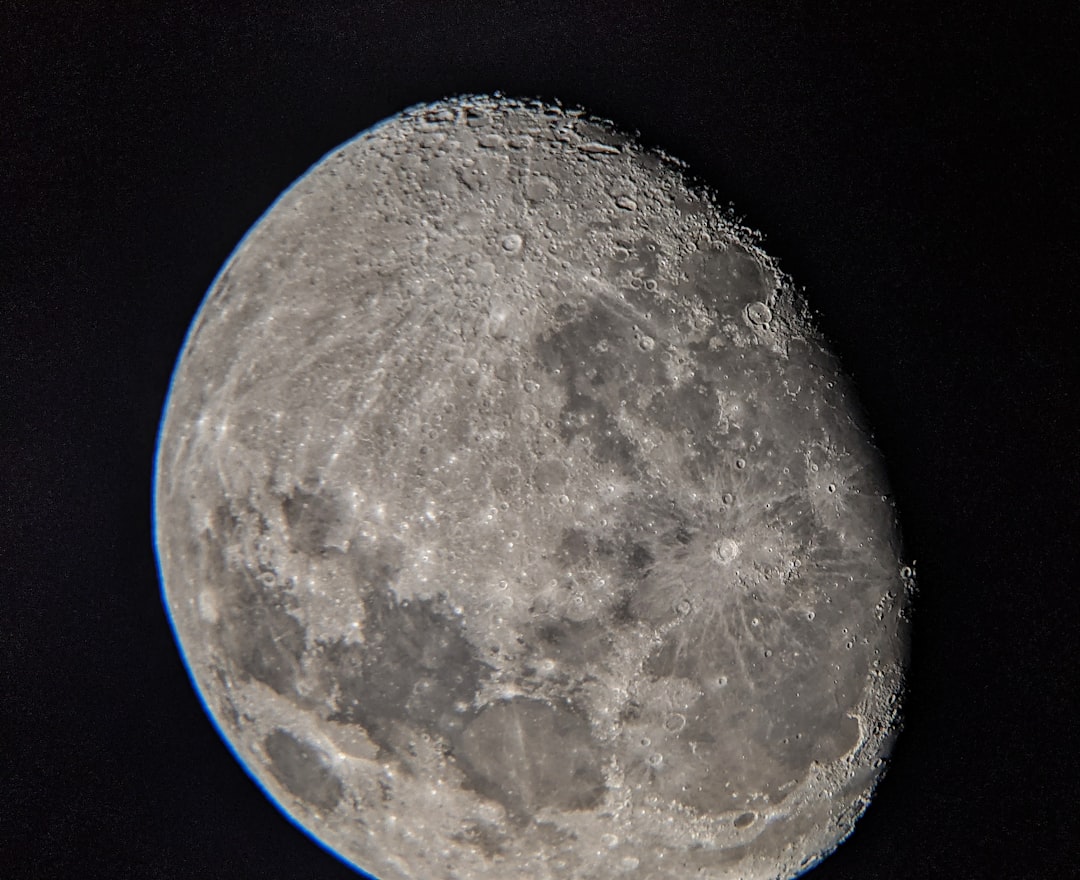
A Dramatic New Impact Crater on the Moon
The Moon's surface tells a dramatic story of its 4.5 billion year history, marked by massive impact basins, craters of all sizes, and volcanic plains. While the era of basin-forming collisions largely ended around 3.8 billion years ago, the Moon still bears scars from more recent asteroid and comet impacts. Researchers using NASA's Lunar Reconnaissance Orbiter have now discovered a striking new impact crater, formed sometime between December 2009 and December 2012.
"This discovery reminds us that the Moon is still a dynamic, changing world, even if those changes happen more slowly than we're used to on Earth," said Dr. John Smith, a lunar geologist at the Lunar and Planetary Institute.
Hunting for New Lunar Craters
The Lunar Reconnaissance Orbiter Camera (LROC) team identified the new 22-meter diameter crater by systematically comparing images of the same regions taken at different times. This careful analysis allowed them to pinpoint when the impact occurred, even though the collision itself wasn't directly observed.
What makes this fresh crater stand out is its distinctive bright rays, ejected material spreading tens of meters from the rim in a sunburst pattern. The rays sharply contrast with the darker surrounding lunar regolith, making the crater as eye-catching as a new freckle on a familiar face.
The Importance of Space Weathering
Over time, a process called space weathering will darken the bright rays of this new crater. Space weathering is driven by the cumulative effects of solar wind particles, micrometeorite bombardment, and cosmic radiation. As lunar material is exposed to this harsh environment, it gradually darkens over thousands to millions of years.
This is why we can use a crater's appearance to estimate its age. Older craters lack bright rays, having long since been darkened by space weathering. In contrast, relatively young craters like Tycho, estimated to be around 108 million years old, still display prominent ray systems visible from Earth.
Why Discovering New Craters Matters
Beyond the excitement of seeing the Moon's face change before our eyes, finding new impact craters serves important scientific purposes:
- Refining Impact Rate Estimates: Each discovery helps astronomers better calculate the current frequency of impacts, crucial for assessing risks to robotic missions and future human explorers.
- Calibrating Dating Methods: By monitoring how quickly crater rays darken and features erode, scientists can fine-tune models used to date other lunar surfaces based on crater density and appearance.
- Understanding the Lunar Environment: Fresh impacts offer a glimpse into subsurface composition and provide natural experiments for studying how the Moon's surface evolves over time.
The Ever-Changing Face of the Moon
For lunar enthusiasts, there's something awe-inspiring about realizing that the Moon's ancient, seemingly unchanging surface continues to accumulate new features. The discovery of this new crater is a potent reminder that the Solar System remains a dynamic and occasionally hazardous place, even if we're unlikely to witness an impact firsthand.
As lunar exploration accelerates in the coming years, with NASA's Artemis program aiming to return humans to the Moon, we can expect more of these small but significant changes to emerge. Each new crater, while perhaps not as dramatic as the great basins of the past, adds another intriguing detail to the story of our celestial companion. The Man in the Moon will continue to gain new scars, each one a testament to the Moon's long and eventful journey through the solar system.