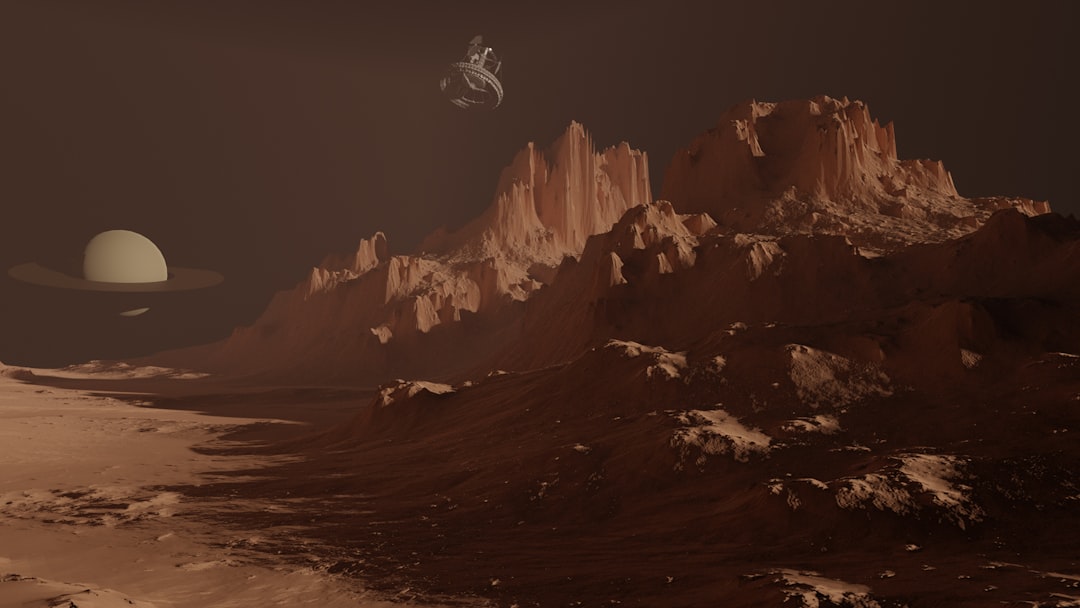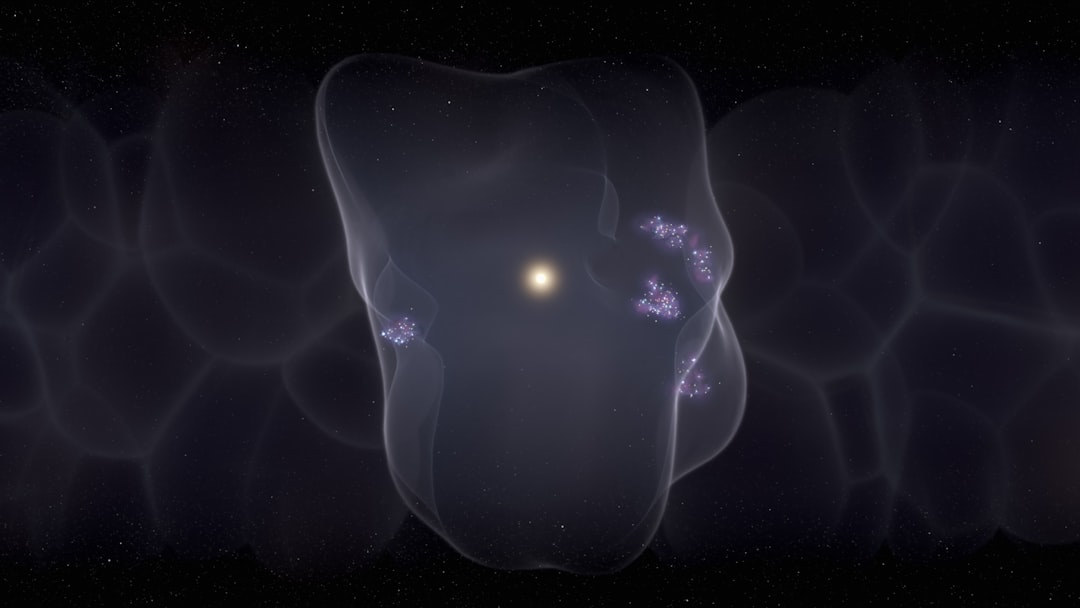
A new paper by archaeologists proposes applying lessons from how humans expanded across the Pacific islands to inform our strategies for colonizing space. Published in the journal Acta Astronautica, the research outlines eight key factors that can impact the success of space colonization efforts, going beyond just technical capabilities to consider resource availability, genetics, and cultural ties.
Physiological Factors for Successful Space Colonization
The authors identify four main physiological factors that influence the viability of space colonies:
- Distance: Colonies are more successful when located close to the source population, enabling faster support and maintaining a "metapopulation".
- Size: Larger astronomical bodies provide more abundant and diverse resources, increasing the likelihood of success (within gravitational limits).
- Archipelagic Configuration: Having multiple potential colonies nearby allows for evacuation opportunities and stronger metapopulation ties.
- Resource Distribution: Overly clustered resources can lead to wealth inequality and political instability in isolated colonies.
According to the paper, the ideal size for an initial space colony is at least 1,000 people, though "as large as possible within technological-ecological limits" is preferable. This ensures long-term genetic viability and diverse knowledge systems to address inevitable challenges.
"Maintaining links to the source population and other colonies, if possible, allows for demographic buffering, resource exchanges, and idea flows," the authors emphasize.
Biocultural Factors and Long-Term Strategies
The research also highlights four biocultural factors that successful space colonies should consider:
- Ongoing Colonization: Established colonies should continue sending out their own colony ships to avoid resource ceilings and expand cultural exchanges.
- Ecosystem Preservation: Maintaining the status quo of physical systems, at least initially, minimizes unintended consequences from terraforming.
- Genetic Diversity: Ensuring a heterogeneous population from the outset supports long-term viability and diverse perspectives.
- Cultural Connections: Maintaining bidirectional information flow with the source population preserves a sense of connection, even for distant colonies.
Promising Destinations for Space Colonization
The paper identifies several promising targets for space colonization based on these factors:
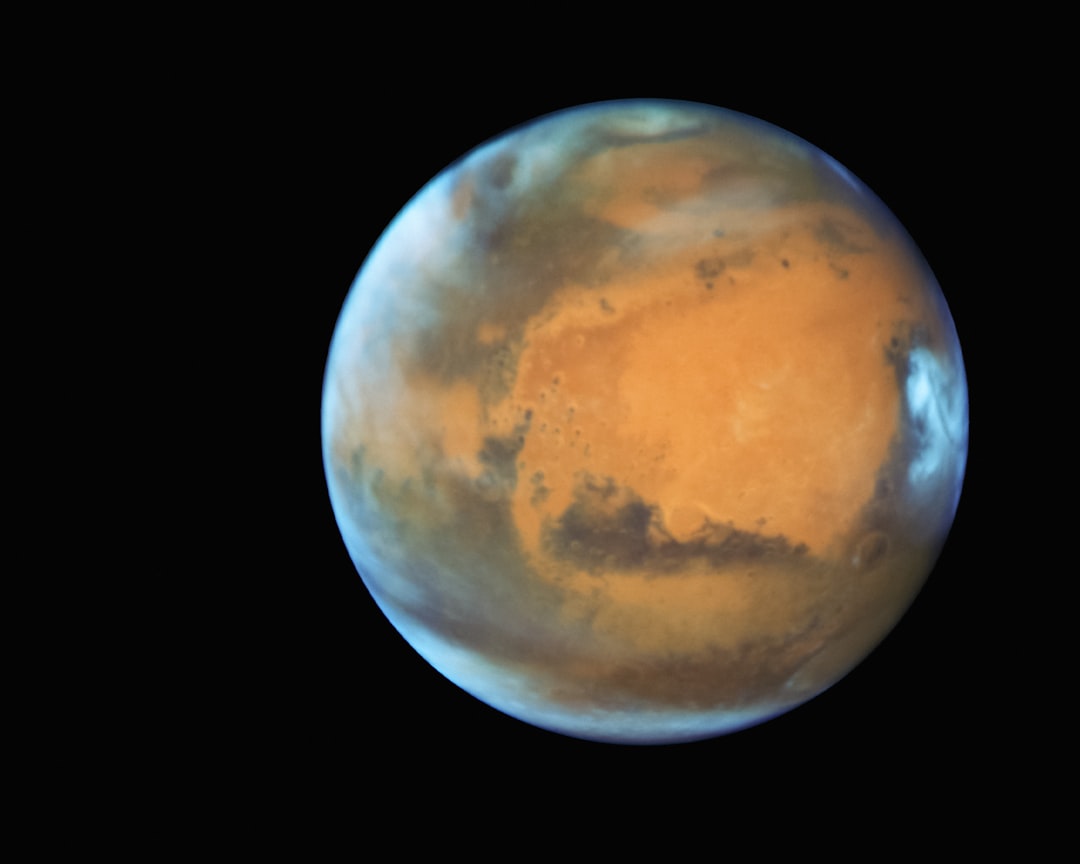
- Mars: The most obvious candidate, with proximity and potential for terraforming.
- Jovian Moons: Close together with abundant resources, making them the second-best option.
- GJ 1061: An exoplanet system 12 light-years away with three potentially habitable planets.
- GJ 887 and Barnard's Star: Nearby stars with multiple planets, though less "desirable" than GJ 1061.
Interestingly, the paper does not discuss colonizing Earth's moon or constructing massive space habitats, each of which could serve as its own "island" in space. While the island colonization analogy provides useful insights, its applicability to space remains imperfect until tested through actual experience.
Implications for Future Space Exploration
This interdisciplinary research highlights the complex interplay of factors that will shape the success of future space colonies. By drawing upon the hard-won lessons of island archaeology, space agencies like NASA and ESA can develop more robust strategies for establishing sustainable human presences beyond Earth.
As we continue to push the boundaries of space exploration, it is crucial to consider not just the technological hurdles, but also the social, cultural, and ecological dimensions of colonizing new worlds. Only by learning from our past and thinking holistically about our future can we hope to thrive in the vast expanse of the cosmos.