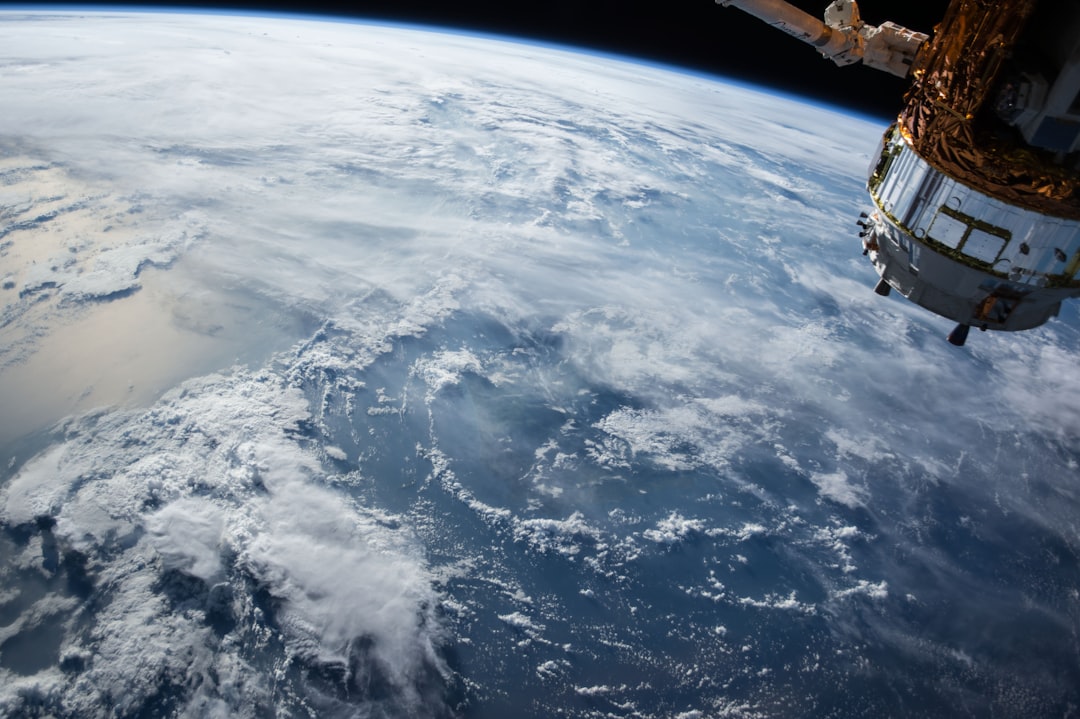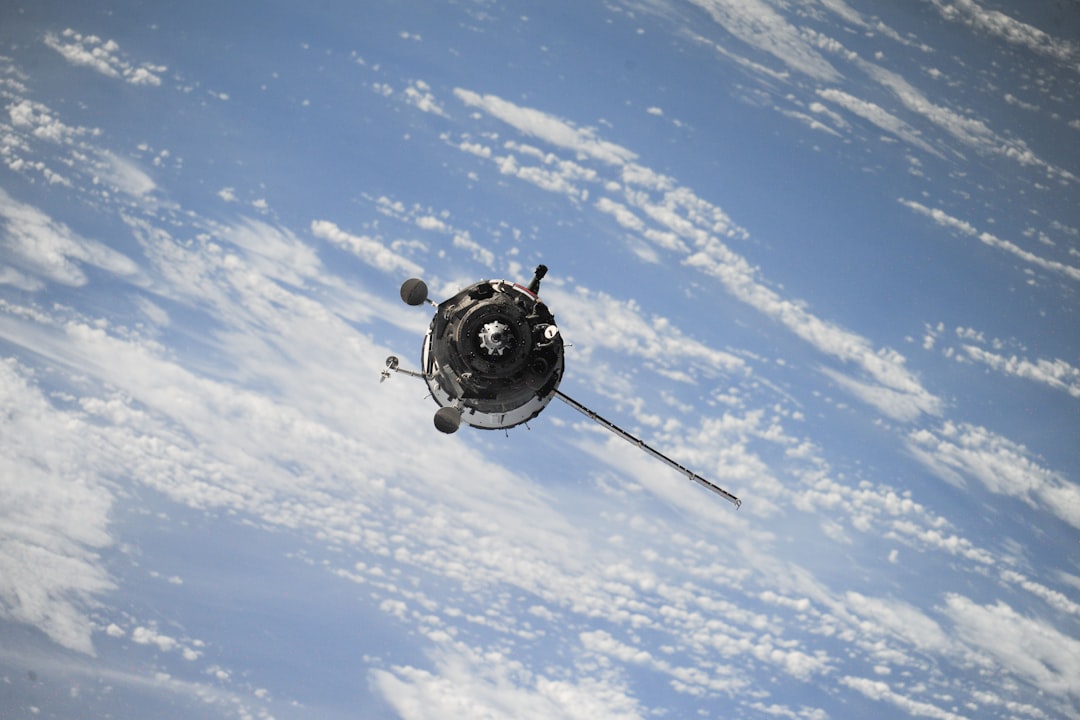
The modern space age has ushered in an era of unprecedented satellite deployment, with megaconstellations of thousands of spacecraft now orbiting Earth. But as these satellites reach the end of their operational lives, scientists are raising urgent concerns about a problem we're only beginning to understand: the environmental impact of burning up satellites in our upper atmosphere. According to new research from the Salata Institute for Climate and Sustainability at Harvard University, we may be repeating the same mistakes that led to climate change—embarking on massive engineering projects without fully comprehending their long-term environmental consequences.
The scale of this emerging challenge is staggering. As of early 2024, more than 14,000 operational satellites circle our planet, with major aerospace companies including SpaceX, Blue Origin, and Chinese megaconstellation providers planning to launch tens of thousands more within the next decade. These mass-produced spacecraft, designed for relatively brief operational lifespans of just 5-10 years, are engineered to burn up upon reentry rather than remain as orbital debris. This deliberate destruction means that at peak capacity, satellite megaconstellations could be incinerating as many as 23 satellites daily in Earth's upper atmosphere—a rate that raises profound questions about atmospheric chemistry, climate impacts, and environmental stewardship.
The Orbital Debris Dilemma: Between Kessler Syndrome and Atmospheric Contamination
Satellite operators face a challenging paradox when determining end-of-life protocols for their spacecraft. The primary concern driving current deorbiting practices is the threat of Kessler Syndrome—a catastrophic cascade scenario first proposed by NASA scientist Donald Kessler in 1978. In this nightmare scenario, collisions between orbital debris create exponentially increasing fragments, eventually rendering certain orbital zones unusable for decades or even centuries. This isn't merely theoretical; the 2009 collision between the defunct Russian Cosmos 2251 satellite and the operational Iridium 33 communications satellite created thousands of trackable debris pieces that still threaten active spacecraft today.
To prevent such catastrophic outcomes, international space agencies and regulatory bodies have established strict guidelines requiring satellite operators to deorbit their spacecraft within 25 years of mission completion. The Federal Aviation Administration and other regulatory agencies have focused primarily on ground safety, ensuring that deorbiting satellites don't pose risks to human populations below. However, this regulatory framework was developed when satellite numbers were measured in hundreds, not tens of thousands, and didn't account for the atmospheric consequences of mass satellite incineration.
Atmospheric Chemistry Under Siege: The Hidden Costs of Satellite Burnup
When a satellite reenters Earth's atmosphere at speeds exceeding 17,000 miles per hour, it doesn't simply vanish. The intense aerodynamic heating during reentry—with temperatures reaching up to 3,000 degrees Fahrenheit—vaporizes the spacecraft's materials, transforming them into fine particulate matter that becomes suspended in the stratosphere. Unlike lower atmospheric pollution that can be cleansed by precipitation, these particles can persist in the stratosphere for extended periods, potentially decades, creating what researchers describe as a new form of persistent pollution.
The composition of this atmospheric contamination is particularly concerning. Modern satellites contain a complex mixture of materials including aluminum alloys, carbon fiber composites, plastics, and various electronic components containing rare earth elements and heavy metals. When combusted at high altitude, these materials undergo chemical transformations that produce several categories of potentially harmful substances:
- Carbon-based aerosols: Organic materials like plastics and carbon fiber composites transform into carbon soot particles with varying optical properties—some reflective, others highly absorptive of solar radiation
- Aluminum oxide particles: These provide catalytic surfaces where chlorine compounds can react with ozone molecules, potentially damaging the protective ozone layer
- Metallic compounds: Transition metals and rare earth elements from electronic components create fine particulate matter with unknown atmospheric residence times and climate effects
- Nitrogen and sulfur compounds: Combustion byproducts that can influence stratospheric chemistry and contribute to acid formation
The Ozone Layer Paradox: Undoing Decades of Environmental Progress
Perhaps the most troubling aspect of satellite megaconstellation burnup is its potential impact on the ozone layer—the stratospheric shield that protects life on Earth from harmful ultraviolet radiation. The 1989 Montreal Protocol stands as one of environmental science's greatest success stories, with the international agreement to phase out chlorofluorocarbons (CFCs) allowing the ozone layer to begin recovering. The United Nations Environment Programme has documented steady ozone layer recovery, with projections suggesting the Antarctic ozone hole could fully heal by the 2060s.
However, aluminum from satellite bodies presents a new threat to this recovery. When aluminum burns in the upper atmosphere, it creates aluminum oxide particles that act as catalytic surfaces for ozone-destroying chemical reactions. Research published in atmospheric chemistry journals indicates that these particles can significantly enhance the efficiency of chlorine-mediated ozone destruction—the same mechanism that created the original ozone hole. With thousands of aluminum-bodied satellites planned for atmospheric disposal annually, scientists warn we could be inadvertently reversing decades of ozone layer recovery.
"We're essentially conducting an uncontrolled experiment on our atmosphere at a scale never before attempted. The irony is that we learned these lessons with CFCs and the ozone hole, yet we're potentially repeating the same mistakes with satellite megaconstellations," warns atmospheric chemist Dr. Martin Ross, whose research focuses on the environmental impacts of space activities.
Climate Implications: Stratospheric Aerosols and Weather Pattern Disruption
Beyond ozone depletion, the accumulation of stratospheric aerosols from satellite burnup could directly influence Earth's climate system in ways scientists are only beginning to model. The stratosphere plays a crucial role in regulating planetary energy balance and driving large-scale atmospheric circulation patterns. Even small changes in stratospheric composition can cascade into significant weather pattern alterations at Earth's surface.
The optical properties of carbon soot particles created during satellite reentry are particularly significant. Depending on their composition and structure, these particles can either reflect incoming solar radiation back to space (creating a cooling effect) or absorb radiation and warm the stratosphere (potentially disrupting circulation patterns). Research from NASA's climate science division has demonstrated how stratospheric aerosols from volcanic eruptions can influence global temperatures for years following major events. The continuous injection of satellite-derived particles represents a persistent, human-caused alteration to stratospheric composition without historical precedent.
Temperature Gradients and Atmospheric Circulation
Stratospheric temperature patterns drive the polar vortex, jet streams, and other large-scale circulation features that determine weather patterns across entire continents. Any warming or cooling of the stratosphere can strengthen or weaken these circulation systems, potentially leading to more frequent extreme weather events, altered precipitation patterns, or shifts in agricultural growing zones. Climate models are only now beginning to incorporate the effects of satellite-derived stratospheric aerosols, and preliminary results suggest the impacts could be regionally significant, particularly at higher latitudes where stratospheric influences on surface weather are strongest.
The Knowledge Gap: Urgent Need for Atmospheric Research
One of the most concerning aspects of the satellite megaconstellation boom is how little we actually understand about its atmospheric consequences. Unlike ground-based pollution sources that have been studied for decades, high-altitude satellite combustion represents a relatively new and poorly characterized source of atmospheric contamination. Current atmospheric models lack the detailed chemical and physical data needed to accurately predict long-term impacts, creating what scientists describe as a critical knowledge gap that must be addressed before megaconstellations reach their planned full deployment.
Key research questions that remain unanswered include:
- Particle residence time: How long do satellite-derived aerosols persist in the stratosphere, and what processes eventually remove them?
- Chemical transformation: How do these particles interact with existing stratospheric chemistry, and what secondary compounds do they form?
- Optical characterization: What are the precise radiative properties of different satellite combustion products, and how do they vary with composition?
- Transport patterns: How do stratospheric winds distribute these particles globally, and are there regions of particular accumulation?
- Biological impacts: Could these particles eventually descend to lower altitudes where they might affect ecosystems or human health?
Research institutions including the European Space Agency's Space Debris Office are beginning to prioritize studies of atmospheric reentry effects, but funding and research capacity remain limited relative to the scale and urgency of the problem. Atmospheric scientists emphasize that we need comprehensive observational campaigns, improved modeling capabilities, and laboratory studies of satellite material combustion under realistic reentry conditions.
Regulatory Frameworks and the Path Forward
The Montreal Protocol's success in addressing ozone depletion demonstrates that effective international cooperation can solve global atmospheric challenges when backed by solid science and political will. However, applying similar regulatory approaches to satellite megaconstellations faces unique challenges. The space industry operates across international boundaries, involves both governmental and private sector actors, and provides services—including global internet connectivity and Earth observation—that many consider essential infrastructure.
Current regulatory frameworks focus almost exclusively on orbital debris mitigation and ground safety, with minimal attention to atmospheric environmental impacts. The United Nations Office for Outer Space Affairs has established guidelines for space sustainability, but these remain voluntary and lack enforcement mechanisms for atmospheric protection. Developing effective regulations will require balancing legitimate space activity needs against atmospheric protection, informed by rigorous scientific understanding of actual risks and impacts.
Alternative Approaches and Technological Solutions
While atmospheric burnup remains the default end-of-life strategy for most satellites, researchers and engineers are exploring alternatives that could reduce environmental impacts. These include developing satellites with longer operational lifespans to reduce turnover rates, designing spacecraft from materials that produce less harmful combustion products, implementing active debris removal systems that could retrieve satellites for controlled disposal, and establishing dedicated "graveyard orbits" for certain satellite classes where they could remain indefinitely without posing collision risks.
Each alternative presents its own challenges and trade-offs. Longer-lived satellites require more robust engineering and higher upfront costs. Material substitutions might compromise satellite performance or increase launch mass. Active debris removal remains technologically challenging and expensive. Graveyard orbits work only for satellites in specific orbital regimes and don't eliminate the eventual need for disposal.
Conclusion: Learning from History Before It's Too Late
The satellite megaconstellation era represents humanity's latest large-scale engineering experiment with potentially far-reaching environmental consequences. Like the industrial revolution's architects who couldn't foresee climate change, today's space industry pioneers may be creating atmospheric problems that future generations will struggle to address. The critical difference is that we now have the scientific tools, historical examples, and environmental awareness to recognize these risks early in their development.
The window for action remains open, but it's closing rapidly. With satellite launch rates accelerating and megaconstellations still in their early deployment phases, we have a brief opportunity to study atmospheric impacts, develop mitigation strategies, and establish regulatory frameworks before the problem becomes intractable. This will require unprecedented cooperation between space agencies, satellite operators, atmospheric scientists, and international regulatory bodies—but the alternative is potentially repeating one of history's most costly environmental mistakes on a planetary scale.
As the Harvard Salata Institute research emphasizes, the time for complacency has passed. We must treat satellite megaconstellation deployment with the same environmental scrutiny we now apply to other large-scale industrial activities, ensuring that our reach for the stars doesn't inadvertently compromise the atmospheric systems that make life on Earth possible.