In a spectacular celestial ballet spanning the final two weeks of February 2026, Earth's Moon embarks on an extraordinary planetary tour that will captivate skywatchers across the globe. Fresh from Tuesday's annular solar eclipse that swept across Antarctica, our natural satellite begins a remarkable journey through the evening sky, passing by nearly every planet in our solar system. The highlight of this cosmic performance occurs on February 18th, when the Moon will occult Mercury—a rare astronomical event that offers observers in the Americas a unique opportunity to witness the innermost planet disappear behind our lunar companion.
This celestial phenomenon represents more than just a beautiful sight; it's a relatively uncommon alignment that combines optimal viewing conditions with Mercury's greatest eastern elongation. According to data from the International Occultation Timing Association, while lunar occultations of Mercury occur several times annually, they typically transpire too close to the Sun for safe observation or over remote, unpopulated regions. This particular event, however, unfolds under ideal circumstances for millions of potential observers across North America, Central America, and the Caribbean.
Understanding the Celestial Mechanics Behind Lunar Occultations
A lunar occultation occurs when the Moon passes directly between Earth and another celestial object, temporarily blocking it from view. Unlike a transit, where a smaller body crosses in front of a larger one, an occultation involves the Moon's apparent size being large enough to completely obscure the background object. These events provide valuable scientific data about the Moon's orbit and can help astronomers refine their measurements of lunar libration and orbital dynamics.
Mercury presents a particularly challenging target for occultation observations due to its proximity to the Sun. The planet never strays more than 28 degrees from our star, making it visible only during brief windows at dawn or dusk. When the MESSENGER mission from NASA studied Mercury up close between 2011 and 2015, it revealed a heavily cratered world bearing striking similarities to our Moon, though lacking the large dark maria that characterize Earth's satellite.
"Observing Mercury during an occultation near greatest elongation is like catching lightning in a bottle—the alignment of favorable conditions makes this a truly special event for both amateur and professional astronomers," explains Dr. David Dunham, president emeritus of the International Occultation Timing Association.
Prime Viewing Conditions for the February 18th Event
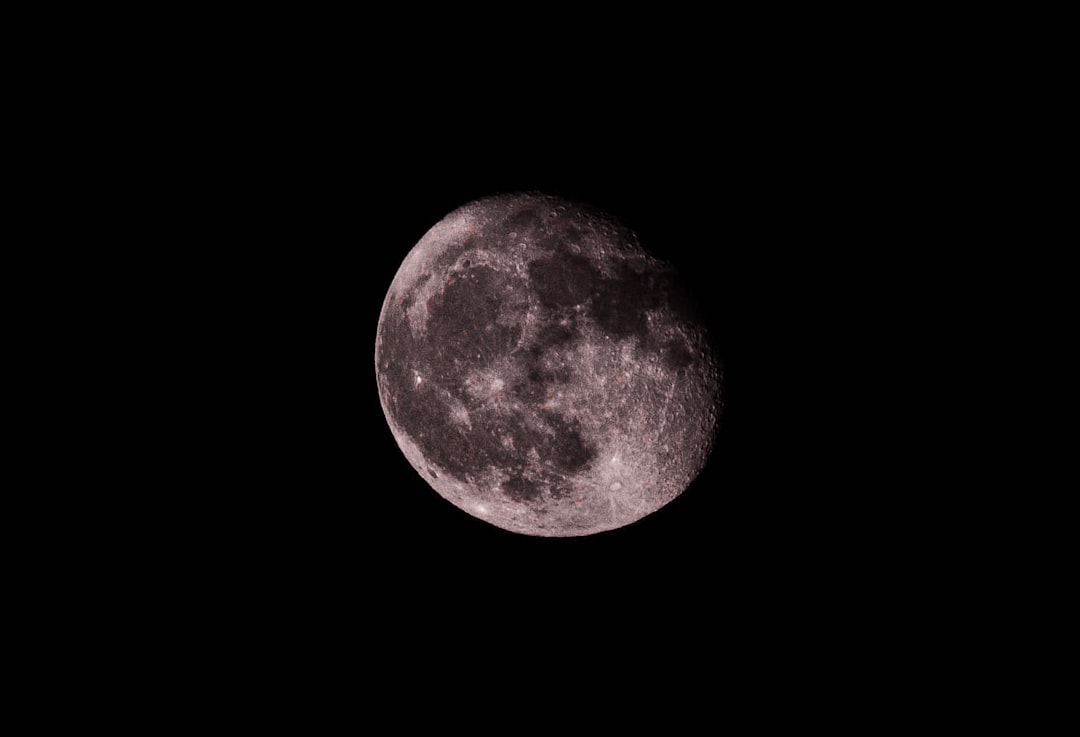
The timing of this occultation couldn't be more fortuitous. Mercury reaches greatest eastern elongation on February 19th, positioning itself 18 degrees from the Sun—just 18 hours after the occultation itself. At the moment of the event, the Moon presents a delicate 2.5% illuminated crescent, while Mercury shines at magnitude -0.5, displaying a 53% illuminated disk spanning 7 arcseconds in diameter.
The occultation footprint favors observers across a broad swath of the Americas. Viewers in the southeastern United States, Mexico, Central America, and throughout the Caribbean basin will witness Mercury's disappearance and reappearance. The geometry of the event creates particularly interesting viewing zones:
- Western viewing zone (Texas and Mexico): The occultation unfolds during twilight, requiring observers to locate both objects against a brightening sky
- Eastern viewing zone (Florida and the Caribbean): Darker skies provide enhanced contrast, making the event easier to observe and photograph
- Graze zone (Tennessee through Oklahoma): Mercury will appear to play hide-and-seek along the lunar limb, disappearing and reappearing multiple times among the Moon's mountains and valleys
The graze line presents an especially dramatic spectacle. Running from north of Chattanooga, Tennessee, westward through Arkansas and into southern Oklahoma and northern Texas, this narrow band offers observers the chance to see multiple disappearances and reappearances as Mercury alternately vanishes behind lunar peaks and emerges from valleys along the Moon's irregular edge.
Observing Techniques and Documentation Methods
Both naked-eye observers and those equipped with optical instruments will find rewards in this event. While the occultation is visible without assistance, binoculars or a small telescope significantly enhance the experience, revealing Mercury as a tiny disk rather than a point of light. The disappearance occurs along the Moon's dark leading edge, making the moment of ingress particularly dramatic as Mercury seems to wink out of existence against the black lunar limb.
For those interested in scientific documentation, video recording provides an excellent method to capture precise timing data. Modern DSLR cameras and even smartphones with appropriate adapters can record the event, contributing valuable observations to organizations like IOTA's ongoing research programs. The Moon's motion carries it approximately one lunar diameter (30 arcminutes) per hour, meaning Mercury's disappearance and reappearance each last only 20 to 30 seconds—brief moments that reward prepared observers.
The Moon's Complete Planetary Circuit Through Late February
The Mercury occultation represents merely the centerpiece of a broader planetary tour spanning two weeks. Beginning on February 17th, the slender waxing crescent Moon appears low in the western sky near brilliant Venus, which currently dominates at magnitude -4. Both objects sit approximately 10 degrees from the Sun, presenting a challenging but rewarding binocular target in the deepening twilight.
Venus continues improving throughout the coming months, establishing itself as the dominant evening star through mid-2026. The planet's superior conjunction occurred in June 2025, and it now begins its lengthy evening apparition that will captivate observers for the next several months. According to NASA's Solar System Exploration data, Venus reaches maximum brilliance and greatest elongation later in 2026.
Following the Mercury encounter, the Moon continues its celestial journey:
- February 19th: The Moon passes Saturn in the evening sky, with magnitude +8 Neptune positioned less than one degree from the ringed planet on February 20th—a rare close approach visible in small telescopes
- February 20-25th: The waxing Moon glides past distant Uranus, while also occulting the Pleiades star cluster for observers in the high Arctic regions
- February 27th: The now waxing gibbous Moon pairs with Jupiter, which recently passed opposition in January and remains a brilliant beacon in the evening sky
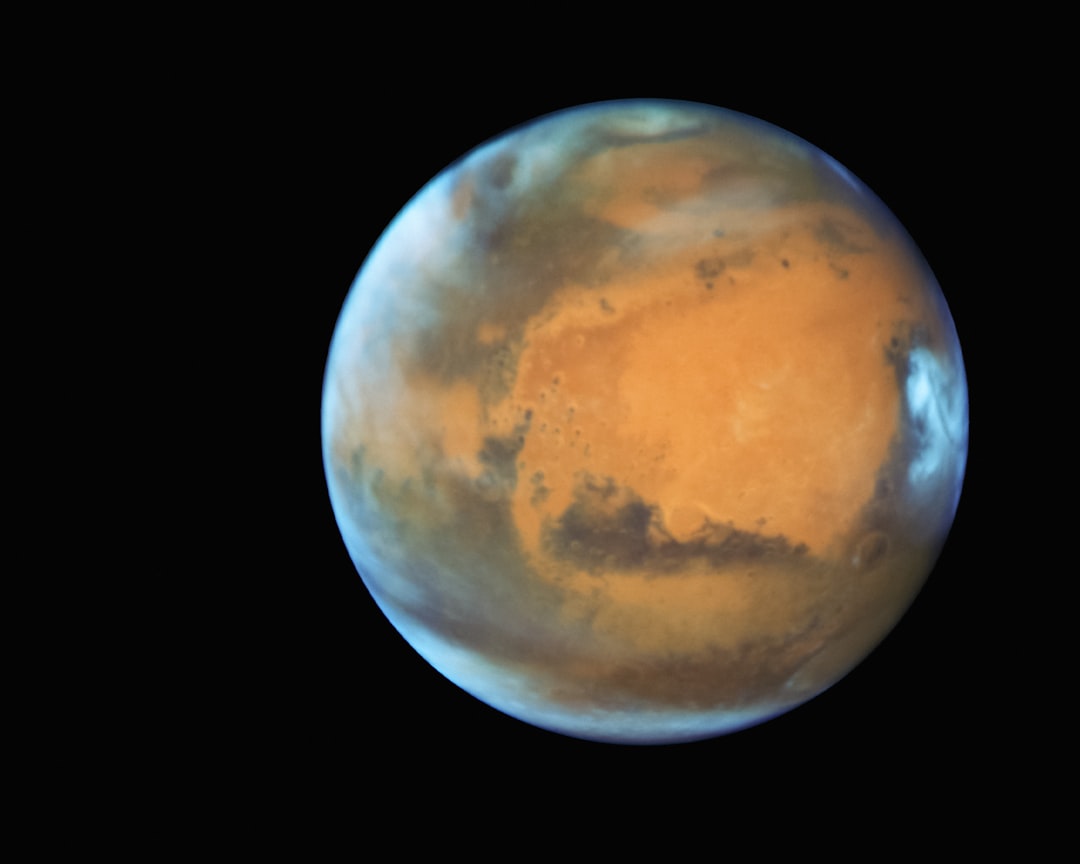
Notably absent from this planetary parade is Mars, which currently lurks in the pre-dawn sky and sits out this particular celestial gathering. The Red Planet will have its turn during different lunar cycles throughout 2026.
Future Mercury Exploration and Scientific Context
While ground-based observations of Mercury reveal limited surface detail, spacecraft missions have transformed our understanding of this enigmatic world. The BepiColombo mission, a joint venture between the European Space Agency (ESA) and Japan's JAXA, continues its complex journey toward Mercury orbit insertion scheduled for late 2026. This ambitious mission comprises two spacecraft—the Mercury Planetary Orbiter and the Mercury Magnetospheric Orbiter—that will study the planet's surface, interior structure, and interaction with the solar wind.
BepiColombo has already completed several Mercury flybys during its cruise phase, capturing stunning images during a 2022 encounter that revealed intricate surface features and geological formations. Once in orbit, the mission will build upon MESSENGER's legacy, investigating mysteries such as Mercury's unexpectedly strong magnetic field, the composition of its polar ice deposits, and the geological processes that shaped its heavily cratered surface.
Eclipse Season Continues: Looking Ahead to March
The February 18th Mercury occultation occurs within a broader eclipse season that began with Tuesday's annular solar eclipse across Antarctica. Few observers witnessed that event due to its remote location, but the season concludes with a far more accessible spectacle: a total lunar eclipse on March 3rd, 2026. This eclipse favors the Americas and Pacific Ocean region, offering millions of skywatchers the opportunity to witness the Moon turn deep red as it passes through Earth's shadow.
The 2026 eclipse season demonstrates the interconnected nature of celestial mechanics. Eclipse seasons occur roughly every six months when the Moon's orbital plane aligns closely enough with the ecliptic—the plane of Earth's orbit around the Sun—to allow solar and lunar eclipses. These windows typically last about 34 to 38 days and produce between two and three eclipses each.
"The Moon occults all four classical planets—Mercury, Venus, Mars, and Jupiter—a total of 11 times during 2026, making it an exceptional year for occultation observers worldwide," notes the International Occultation Timing Association's 2026 predictions.
Preparing for the Observation: Practical Considerations
Successful observation of the February 18th Mercury occultation requires some preparation. Weather represents the primary wildcard, with cloud cover potentially obscuring the event. The National Oceanic and Atmospheric Administration (NOAA) provides updated cloud cover forecasts in the days leading up to the event, helping observers identify optimal viewing locations within the visibility zone.
For those planning to observe, consider these recommendations:
- Location scouting: Identify a site with an unobstructed western horizon, free from buildings, trees, or hills that might block the low-altitude view
- Timing precision: Use planetarium software like Stellarium or SkySafari to calculate exact ingress and egress times for your specific location
- Equipment preparation: Test cameras, telescopes, and recording equipment beforehand; ensure batteries are fully charged
- Weather backup plans: Monitor forecasts and identify alternative viewing locations if your primary site faces cloud cover
- Safety awareness: While Mercury and the Moon are safely separated from the Sun during this event, always exercise caution when observing near sunset
The convergence of favorable geometry, accessible viewing locations, and optimal timing makes the February 18th, 2026 occultation of Mercury by the Moon a truly exceptional astronomical event. Whether you observe with naked eyes, binoculars, or telescopes, this rare alignment offers a memorable opportunity to witness the dynamic nature of our solar system. As the Moon continues its planetary tour through late February, skywatchers can enjoy a rich variety of celestial pairings, culminating in March's total lunar eclipse—a fitting conclusion to this remarkable eclipse season.