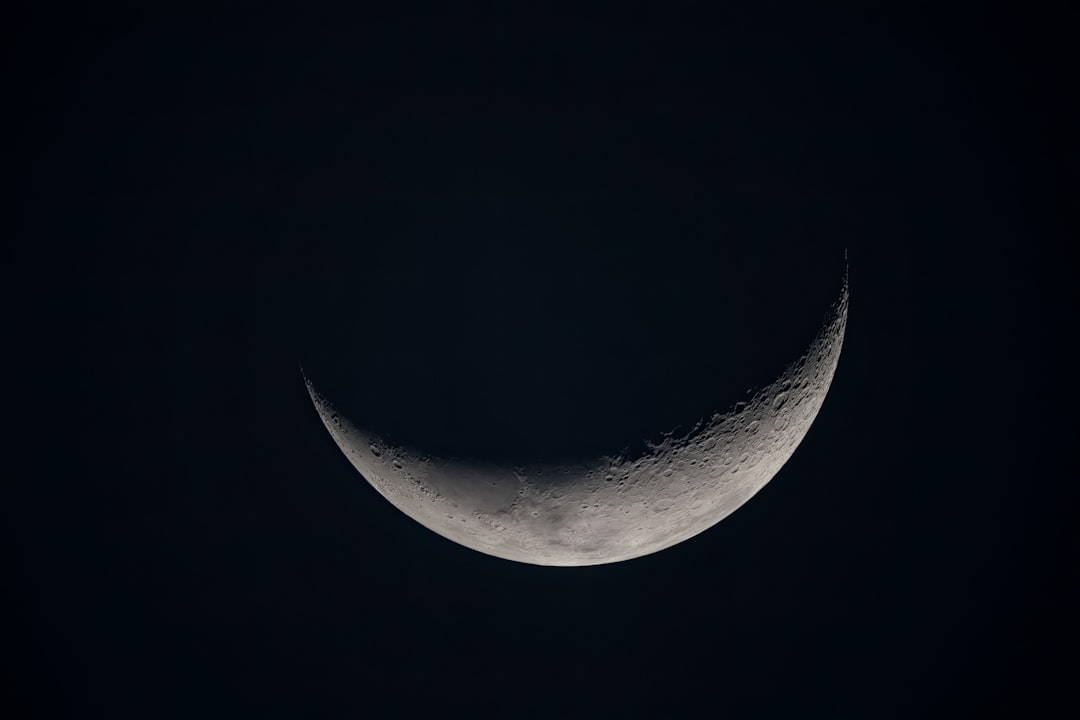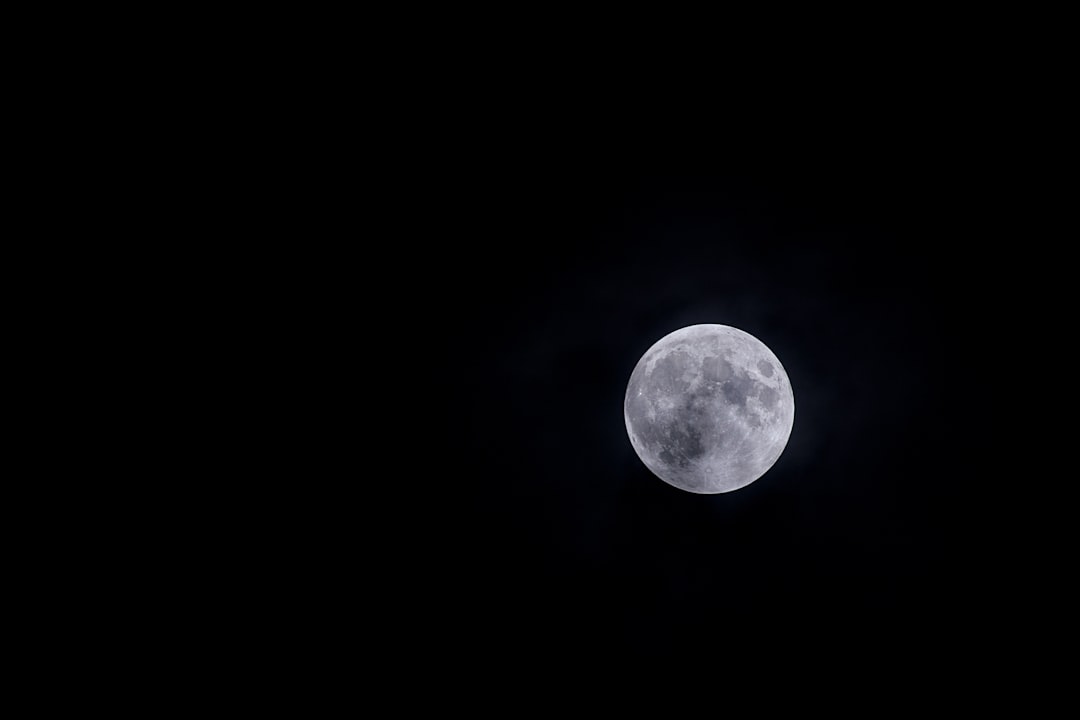
As humanity stands on the cusp of a new lunar renaissance, our celestial neighbor faces an unprecedented transformation. Since the Soviet Luna 2 probe first touched down in 1959, marking the beginning of humanity's physical presence beyond Earth, the Moon has gradually accumulated the remnants of our exploratory ambitions. Today, more than 100 metric tons of human artifacts rest upon its ancient surface—a collection ranging from sophisticated scientific instruments to the mundane detritus of human exploration. Yet this historical footprint pales in comparison to what lies ahead, as NASA's Artemis program and numerous international missions promise to transform the lunar landscape at an unprecedented scale.
The coming decade represents a pivotal moment in lunar exploration, with projections indicating over 100 new missions will reach the Moon—effectively doubling the entire history of lunar exploration in just ten years. This explosive growth in lunar activity has sparked urgent discussions among space historians, legal scholars, and planetary scientists about a question that grows more pressing with each passing mission: How do we preserve the irreplaceable historical sites and artifacts already present on the Moon before they're irretrievably altered or destroyed by future exploration?
A groundbreaking new paper by Teasel Muir-Harmony, Curator of the Space History Department at the Smithsonian National Air and Space Museum, and Todd Mosher, Scholar in Residence at the University of Colorado, Boulder, examines this critical challenge. Their research, emerging from a comprehensive Summit on Outer Space Heritage convened by the Smithsonian and the American Institute of Aeronautics and Astronautics, explores the complex intersection of legal frameworks, scientific priorities, and engineering challenges that must be navigated to protect humanity's lunar heritage.
The Legal Labyrinth of Lunar Preservation
On Earth, the preservation of historical sites operates within well-established frameworks. Heritage registries, zoning regulations, and international agreements like UNESCO's World Heritage Convention provide robust mechanisms for protecting culturally and historically significant locations. However, the lunar environment presents a dramatically different legal landscape—one characterized by ambiguity, competing national interests, and the absence of enforceable international consensus.
The foundational document governing space activities, the 1967 Outer Space Treaty, establishes that nations retain jurisdiction over hardware they deploy in space. The treaty also requires countries to avoid "harmful interference" with other states' space activities. Yet these provisions, drafted in an era when lunar exploration was the exclusive domain of superpowers, prove inadequate for addressing modern preservation concerns. As the paper highlights, nothing in the treaty explicitly prevents a nation from visiting, disturbing, or even removing artifacts from historical landing sites—including those created by other countries.
More recently, the Artemis Accords, introduced in 2020, have attempted to address these gaps by establishing principles specifically designed to preserve historically significant lunar sites and artifacts. These accords represent a meaningful step forward, acknowledging the cultural and scientific value of preserving humanity's early footsteps on another world. However, they suffer from a critical weakness: they remain a non-binding multilateral agreement with no enforcement mechanism.
Perhaps more significantly, major spacefaring nations including China and Russia—both of which maintain ambitious lunar exploration programs—have declined to sign the Artemis Accords. This absence of global consensus means that roughly half of the world's active lunar programs operate outside any framework specifically designed to protect lunar heritage. The irony is stark: the United States, which arguably has the most extensive lunar heritage to lose, finds its preservation framework rejected by key international players.
From Salvage to Sacrilege: Competing Visions of Lunar Value
The tension between preservation and utilization isn't merely theoretical—it has historical precedent. During the Apollo 12 mission in 1969, astronauts Pete Conrad and Alan Bean landed their Lunar Module just 600 feet from the robotic Surveyor 3 lander, which had touched down two years earlier. In what would today be considered controversial, the astronauts walked to the earlier probe, removed its television camera and several other components, and returned them to Earth for analysis.
"The engineering data gleaned from examining Surveyor 3's components after their exposure to the lunar environment was invaluable. We learned how materials degraded, how paint cracked under extreme temperature cycling, and documented damage from the Apollo 12's descent engine blast. It was extraordinary extraterrestrial archaeology—but conducted before we had developed any concept of what lunar heritage preservation might mean."
This historical episode illustrates the genuine scientific value of revisiting old sites. Contemporary researchers, particularly astrobiologists, express keen interest in examining the Apollo landing sites to study how organic materials—including human waste left behind by astronauts—have weathered nearly six decades of unfiltered solar radiation, extreme temperature fluctuations, and micrometeorite bombardment. Such research could provide crucial insights for long-duration space missions and permanent lunar habitation.
Similarly, examining the preservation state of the famous bootprints in lunar regolith would offer valuable data about surface stability and the long-term effects of human activity on the lunar environment. The Defense Advanced Research Projects Agency (DARPA) even explored a program called LunA-10 that investigated using materials from retired spacecraft to support future lunar infrastructure. However, as Dr. Mosher noted in discussions with Universe Today, intentionally designing future missions for component reuse proves far more practical than attempting to salvage parts from historical missions never intended for such purposes.
The South Pole Challenge: Geography Meets History
The next wave of lunar exploration targets a dramatically different region than the equatorial sites chosen for Apollo missions. The lunar South Pole, home to substantial deposits of water ice crucial for sustaining long-term human presence, has become the primary destination for upcoming missions. At least half of NASA's Commercial Lunar Payload Services (CLPS) missions will focus on this region, along with international efforts from China, India, Russia, and private entities.
The South Pole's geography presents unique challenges for both exploration and preservation. The region features narrow transit corridors, limited areas with simultaneous access to water ice and critical sunlight for power generation, and extreme topographical variation. These constraints mean that multiple nations and commercial entities will likely concentrate their activities in relatively confined areas—increasing the risk of disturbing sites that future generations may consider historically significant.
This geographic bottleneck amplifies preservation concerns. Unlike the Apollo sites, spread across the lunar nearside, South Pole operations will cluster in premium locations dictated by resource availability and operational requirements. Ensuring that all participating nations and commercial operators understand and respect the historical significance of their activities becomes exponentially more important—and more difficult—in this constrained environment.
Cultural Perspectives and the Sacred Lunar Surface
The question of lunar preservation extends beyond scientific and historical considerations into the realm of cultural and religious significance. Various cultures and religious traditions regard the Moon as sacred, with some viewing any human disturbance of the lunar surface as fundamentally sacrilegious. These perspectives demand consideration alongside scientific and exploratory priorities, yet they often receive insufficient attention in predominantly Western-led space policy discussions.
Balancing these competing interests presents one of the most delicate challenges in lunar governance. The Moon's potential as a strategic base for solar system exploration and its rich deposits of valuable resources make it central to humanity's spacefaring future. Raw materials extracted from the lunar surface could prove critical for constructing spacecraft, establishing permanent habitats, and supporting missions to Mars and beyond. Yet pursuing these practical objectives without trampling on cultural sensitivities or destroying irreplaceable historical sites requires a nuanced, internationally inclusive approach that current frameworks fail to provide.
Attempted Frameworks and Their Limitations
Efforts to establish protective frameworks for lunar heritage have encountered significant obstacles. The World Monuments Fund attempted to designate the Moon as an endangered site, while others have explored utilizing UNESCO's World Heritage Site status to protect specific lunar locations. However, these terrestrial frameworks prove difficult to adapt to the extraterrestrial environment.
UNESCO's World Heritage Convention, for instance, applies only to sites within national territories or international waters—categories that don't clearly encompass the Moon under current space law. The Outer Space Treaty explicitly prohibits national appropriation of celestial bodies, creating a legal paradox: if no nation can claim sovereignty over lunar territory, how can international heritage frameworks designed around national jurisdiction apply?
Tourism, Economics, and the Path Forward
Despite these challenges, Muir-Harmony and Mosher express cautious optimism about the future of lunar heritage preservation. Their conversations with stakeholders across the space industry reveal widespread openness to addressing these concerns, even if consensus on specific solutions remains elusive. One potential driver for preservation may come from an unexpected source: space tourism.
As commercial space companies develop lunar tourism capabilities, the Apollo landing sites represent potentially lucrative destinations. The Tranquility Base, where Neil Armstrong and Buzz Aldrin first set foot on another world, could become one of the most visited tourist destinations in human history—if properly preserved and made accessible. The economic incentives for maintaining these sites in pristine condition might ultimately prove more effective than regulatory frameworks in ensuring their protection.
However, this tourism-driven preservation model carries its own risks. Without careful management, visitor traffic could itself threaten the very sites it seeks to celebrate. The famous bootprints and equipment left by Apollo astronauts remain preserved primarily because of the Moon's lack of atmosphere and geological activity—but they're vulnerable to disturbance from rocket exhaust, rover tracks, and human foot traffic.
Building Consensus for Lunar Heritage Protection
The authors continue their advocacy efforts through conferences, academic papers, and public engagement, maintaining pressure for the development of effective heritage protection mechanisms. While no international agency currently operates a dedicated working group focused on lunar heritage preservation, these ongoing discussions keep the issue visible within space policy circles.
Several potential approaches merit consideration:
- Exclusion Zones: Establishing protected areas around historically significant sites where landing, surface operations, or low-altitude flights are restricted or prohibited
- International Registry: Creating a comprehensive catalog of lunar heritage sites with agreed-upon protection standards, even in the absence of binding enforcement mechanisms
- Best Practices Guidelines: Developing technical standards for missions operating near heritage sites, including minimum approach distances and protocols for documenting any necessary interactions
- Commercial Incentives: Incorporating heritage protection into commercial licensing requirements and creating positive incentives for companies that demonstrate exceptional stewardship
- Scientific Documentation: Conducting comprehensive surveys and creating detailed 3D models of heritage sites before increased traffic makes such documentation more difficult
The Lunar Anthropocene and Our Responsibility to History
We have entered what some researchers call the "Lunar Anthropocene"—an era in which human activity becomes the dominant force shaping the Moon's surface environment. This transition from pristine celestial body to actively utilized resource and destination carries profound implications for how we understand our relationship with space.
The artifacts and sites left by early lunar missions represent more than abandoned hardware—they constitute humanity's first archaeological record beyond Earth. These sites document not just technological achievement but also the geopolitical context of the Cold War, the courage of individual explorers, and the collective aspiration of a species reaching beyond its planetary cradle. Future generations will judge us not only by what we accomplish in space but by how well we preserve the evidence of our first tentative steps into the cosmos.
As Dr. Mosher and Dr. Muir-Harmony emphasize, the window for establishing effective preservation frameworks is rapidly closing. Each new mission, each additional landing, and each expansion of lunar surface operations makes the task more complex and the stakes higher. What we decide—or fail to decide—in the coming years will determine whether future lunar visitors can walk in the footsteps of the Apollo astronauts or whether those footsteps will have long since vanished beneath the dust of progress.
The Moon's surface, unchanged for billions of years, now faces transformation on a timescale measured in decades or even years. Whether that transformation preserves or erases the record of humanity's greatest exploratory achievement remains an open question—one that demands urgent attention from the international community before the lunar rush renders preservation efforts too little, too late.