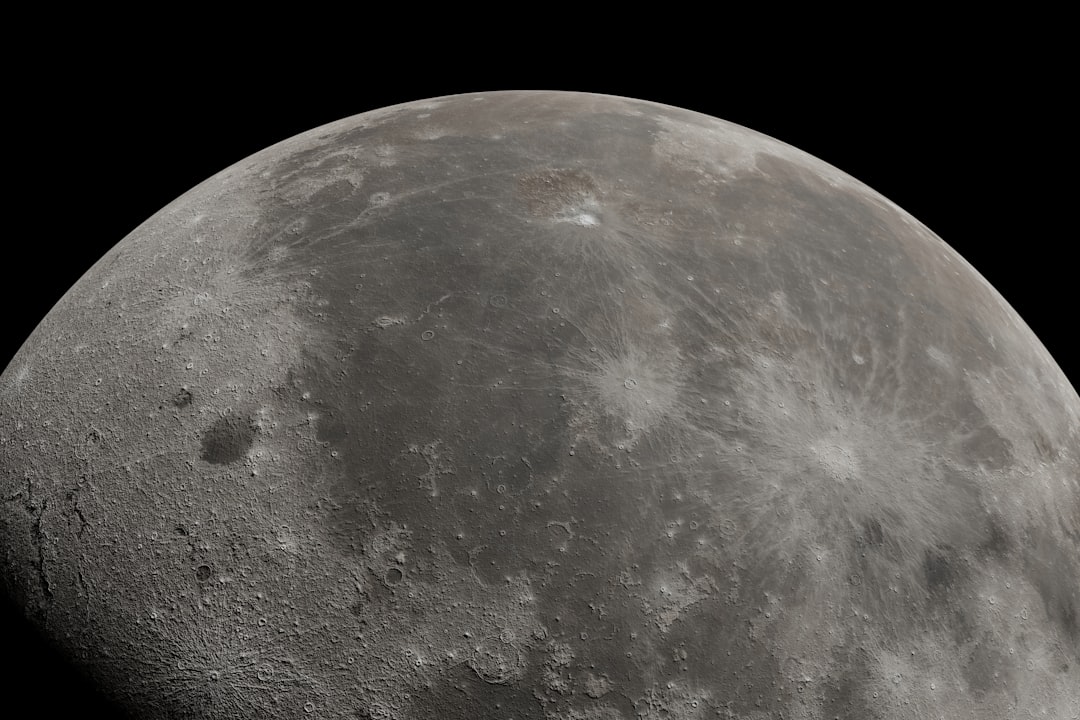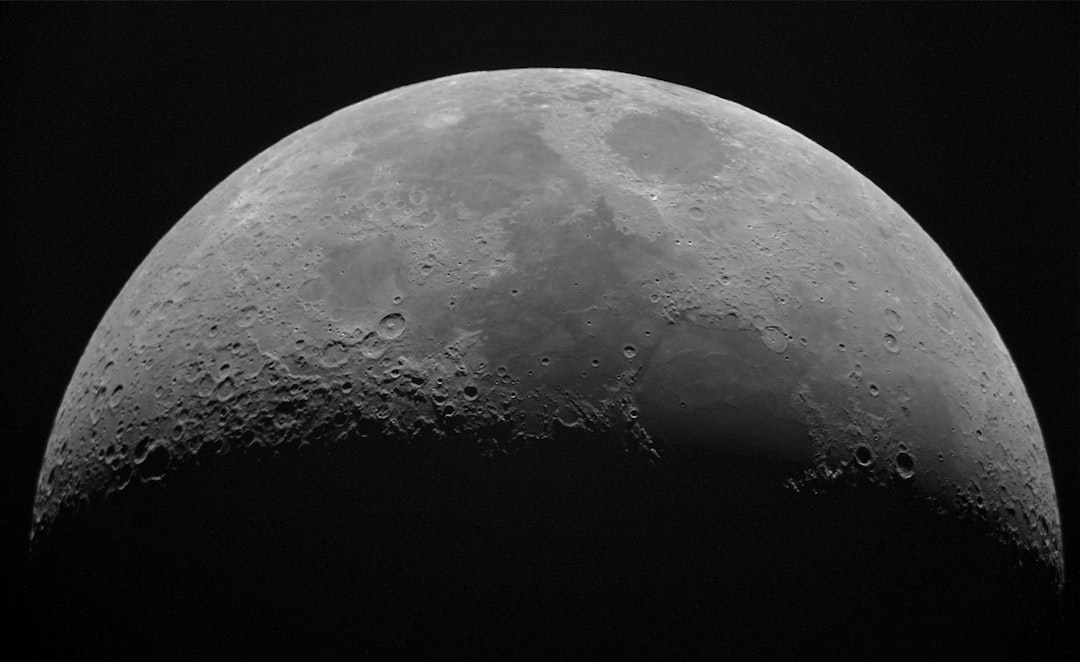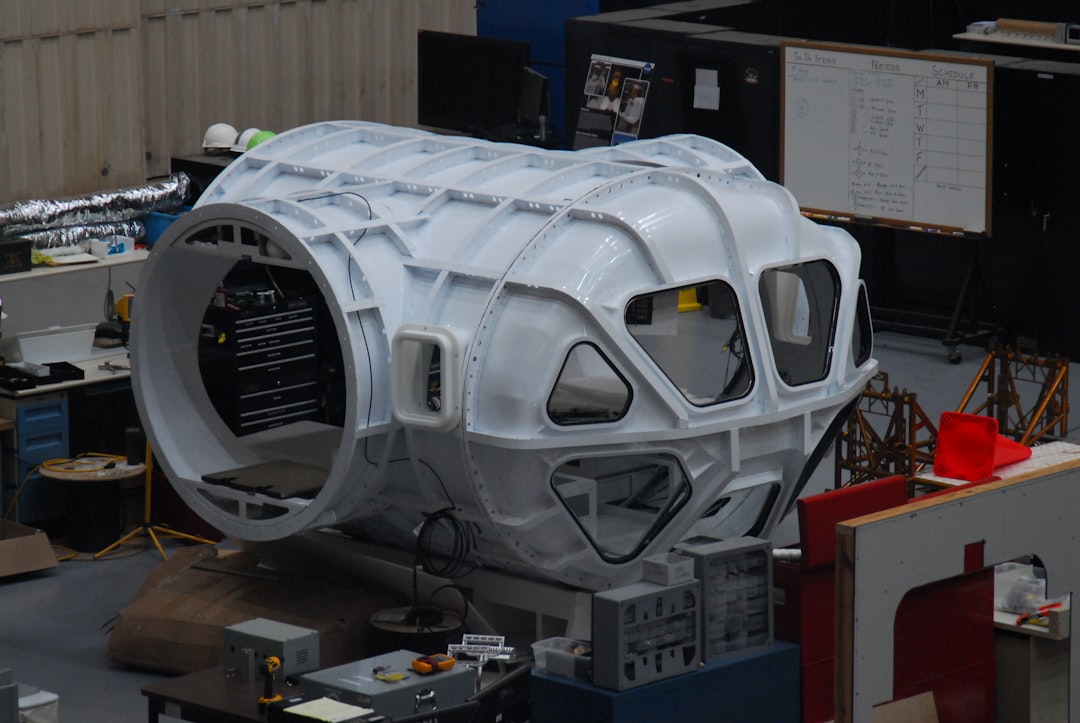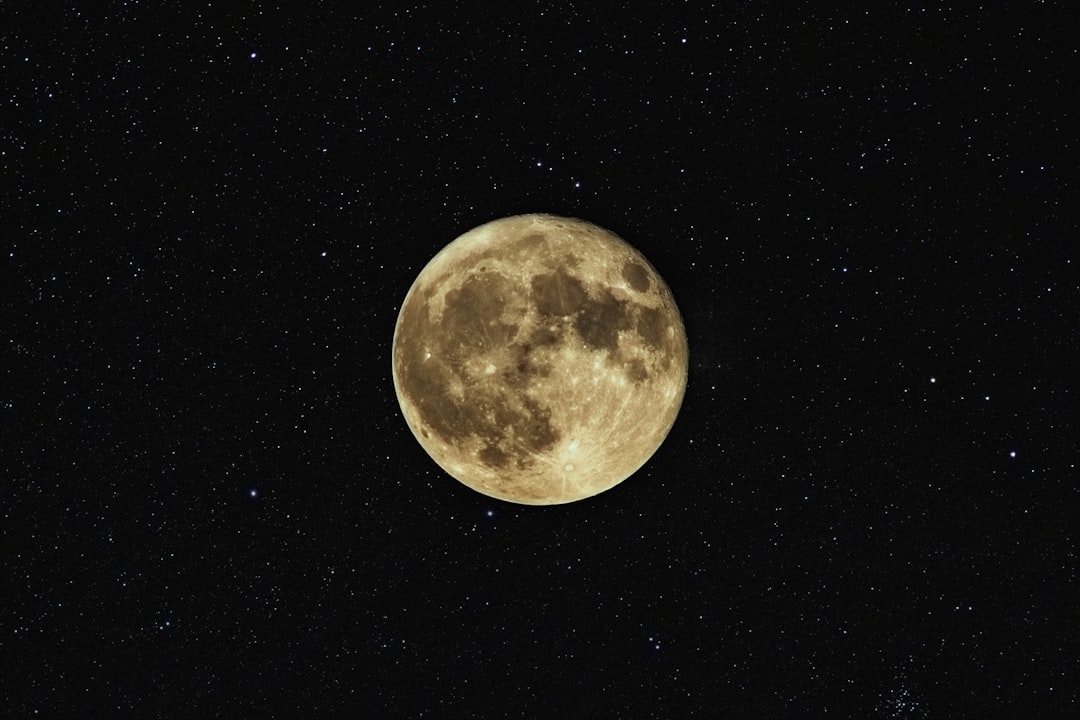
When Ernest Shackleton assembled his crew for the legendary Antarctic expedition aboard the Endurance, he understood something that modern space agencies are only now beginning to fully appreciate: in extreme environments where rescue is impossible and resources are limited, the psychological compatibility of team members can mean the difference between mission success and catastrophic failure. As NASA's Artemis program prepares to establish humanity's first permanent outpost on the Moon, this century-old lesson is taking on unprecedented urgency.
The challenges facing lunar colonization extend far beyond the engineering marvels of life support systems and radiation shielding. The human element—how astronauts interact, cope with stress, and maintain performance over extended periods in isolation—represents one of the most unpredictable variables in the equation. Unlike the brief Apollo missions, which lasted only days, future lunar inhabitants will spend months working in close quarters, millions of miles from Earth, with communication delays and no possibility of immediate evacuation. The psychological pressures of such an existence are difficult to overstate.
To address these challenges before the first crew sets foot in a permanent lunar habitat, researchers at George Mason University have developed a groundbreaking approach: a sophisticated virtual Moon base populated by digital astronauts whose behavior, interactions, and performance can be studied across thousands of simulated scenarios. This innovative research represents a crucial step toward understanding the complex social dynamics that will determine whether humanity's return to the Moon becomes a triumph or a cautionary tale.
The Psychology of Extreme Isolation: Lessons From History
Historical expeditions offer sobering insights into what happens when human dynamics break down in isolated environments. Beyond Shackleton's famous example, numerous Antarctic expeditions, submarine deployments, and even early space missions have documented instances where interpersonal conflicts threatened mission objectives. The Soviet Salyut and Mir space stations experienced crew tensions that occasionally resulted in communication breakdowns and reduced productivity. During one notable incident on Mir, cultural differences and personality clashes between international crew members created friction that affected their ability to work together effectively.
NASA has long recognized these risks, incorporating psychological evaluations into astronaut selection since the Mercury program. However, the agency's approach has evolved significantly. Modern selection processes assess not just individual psychological resilience, but also how candidates might function within diverse team dynamics. The astronaut selection program now includes extensive team-based exercises designed to reveal how candidates handle stress, resolve conflicts, and support colleagues under pressure.
Yet even the most rigorous selection process cannot fully predict how individuals will respond to months of confinement in a harsh alien environment. This is where advanced modeling becomes invaluable.
Building a Virtual Lunar Colony: Agent-Based Modeling Explained
The George Mason University research team employed a sophisticated technique called agent-based modeling (ABM), a computational method that simulates the actions and interactions of autonomous agents to assess their effects on the system as a whole. In this case, each "agent" represents a virtual astronaut with unique characteristics including professional expertise, personality traits, physical health parameters, and behavioral tendencies.
Unlike simple statistical models, these digital crew members don't follow predetermined scripts. Instead, they adapt and learn over time, becoming more efficient at routine tasks through practice while also accumulating psychological stress from the demanding environment. The simulation incorporates realistic lunar base operations including maintenance schedules, scientific research activities, and emergency response protocols.
The researchers introduced various crisis scenarios to test crew resilience: equipment malfunctions requiring immediate repair, moonquakes that could damage habitat structures, and intense solar radiation events that would force crews into shielded areas for extended periods. By running tens of thousands of iterations with different crew compositions, mission durations, and random event sequences, the team generated a massive dataset revealing patterns that would be impossible to observe through traditional research methods.
"What we're creating is essentially a laboratory for studying human factors in space exploration without risking actual lives. We can test scenarios that would be unethical or impossible to replicate with real astronauts, and the insights we gain can directly inform mission planning and crew selection strategies."
Critical Findings: Size Matters, But Time Takes Its Toll
The simulation results yielded several significant findings that challenge conventional assumptions about optimal crew composition for lunar missions. The research revealed two particularly important patterns regarding crew size and mission duration.
The Advantage of Larger Teams
Contrary to the intuition that smaller teams might experience fewer interpersonal conflicts, the data showed that larger crews consistently outperformed smaller ones. This advantage stemmed from multiple factors beyond simply having more hands available for work. Larger teams demonstrated:
- Greater personality diversity: With more individuals, the probability increased of having crew members whose personalities naturally complemented each other, reducing friction and enhancing cooperation
- Improved skill redundancy: Multiple people with overlapping expertise meant that critical tasks could continue even when individuals were sick, injured, or dealing with psychological stress
- Enhanced social support networks: Astronauts in larger crews had more options for social interaction, reducing the psychological strain of forced proximity to incompatible personalities
- Better crisis response: During simulated emergencies, larger teams could divide responsibilities more effectively while maintaining essential baseline operations
However, these benefits must be balanced against practical constraints. Larger crews require more life support resources, living space, and supplies—all of which translate to increased mission costs and logistical complexity. The European Space Agency's lunar exploration plans similarly grapple with these trade-offs as they design habitat concepts.
The Psychological Toll of Extended Duration
Perhaps the most concerning finding involved the cumulative effects of prolonged isolation without crew rotation. The simulation revealed that psychological stress doesn't simply plateau—it continues accumulating over time, with measurable impacts on work performance, decision-making quality, and interpersonal relationships.
During the Apollo 11 mission, Neil Armstrong and Buzz Aldrin spent just over eight days together in extremely close quarters, with only about 21 hours actually on the lunar surface. While tensions occasionally surfaced even in this brief period, the short duration meant that crew members could maintain professional focus knowing relief was imminent. In contrast, missions lasting several months present an entirely different psychological challenge.
The virtual astronauts in extended simulations showed declining performance metrics across multiple dimensions: slower response times to routine tasks, increased errors in technical procedures, and reduced effectiveness in collaborative problem-solving. These effects became particularly pronounced after approximately 90 days without crew rotation, suggesting that regular personnel exchanges may be essential for maintaining optimal base operations.
Limitations and Future Developments
The research team openly acknowledges that their current model, while sophisticated, doesn't capture every aspect of the lunar base experience. Several important factors remain to be incorporated:
Physiological changes from long-duration spaceflight—including bone density loss, muscle atrophy, vision changes, and potential cognitive effects from radiation exposure—are not yet modeled. These physical changes could significantly impact both individual performance and team dynamics. Research from the International Space Station has documented numerous health effects from extended microgravity exposure, though lunar gravity (one-sixth of Earth's) may produce different outcomes.
Communication delays with Earth introduce another layer of psychological isolation that Earth-based analogues cannot fully replicate. While the Moon is relatively close in cosmic terms, the 2.5-second round-trip light delay is sufficient to make real-time conversation impossible. This delay means that astronauts facing emergencies cannot simply call mission control for immediate guidance—they must make critical decisions independently, adding psychological pressure.
Cultural diversity in international crews adds complexity that the current model only partially addresses. Future lunar bases will likely host astronauts from multiple nations and cultural backgrounds, each bringing different communication styles, conflict resolution approaches, and stress responses. The Japanese Aerospace Exploration Agency's experience with international collaboration on the ISS provides valuable insights, but lunar missions will test these dynamics under more stressful conditions.
Implications for Artemis and Beyond
As NASA's Artemis program progresses toward establishing a sustainable lunar presence, these research findings offer practical guidance for mission planners. The upcoming Artemis III mission, currently scheduled for the mid-2020s, will mark humanity's first return to the lunar surface in over 50 years. Subsequent missions aim to construct the Lunar Gateway space station and eventually a permanent surface base.
The simulation results suggest several concrete recommendations for these missions. First, initial crew sizes should err toward larger rather than smaller, even if this requires additional habitat volume and life support capacity. Second, mission planners should implement regular crew rotation schedules, potentially every 60-90 days, rather than attempting extended stays without personnel changes. Third, crew selection should place even greater emphasis on psychological compatibility and interpersonal skills, potentially using similar simulation tools to pre-test crew combinations before final assignments.
Beyond the Moon, these insights apply to even more ambitious goals. Mars missions, which will involve transit times of 6-9 months each way plus extended surface stays, will test human psychological endurance far beyond anything attempted in lunar exploration. The lessons learned from lunar base simulations and operations will prove invaluable for planning these interplanetary expeditions.
The Path Forward: Virtual Testing Meets Real-World Preparation
The George Mason University team continues refining their model, incorporating new data from psychological studies, physiological research, and analog environments like Antarctica and underwater habitats. Future versions will integrate more sophisticated representations of individual personality evolution, learned behaviors, and the complex ways that group dynamics shift over extended periods.
Importantly, this virtual testing doesn't replace traditional analog missions—it complements them. NASA and international partners continue conducting long-duration isolation studies in facilities like the Human Exploration Research Analog (HERA) at Johnson Space Center, where small crews spend weeks in confined quarters simulating deep space missions. These real-world tests provide ground truth data that makes virtual simulations more accurate, while simulations can explore scenarios too risky or expensive to test with actual humans.
The convergence of computational modeling, psychological research, and practical mission planning represents a new frontier in space exploration preparation. As Shackleton understood a century ago on the Antarctic ice, the greatest challenges in extreme exploration often aren't technical—they're human. By studying these human factors with the same rigor we apply to engineering problems, we increase the odds that when astronauts finally establish permanent homes on the Moon, they'll thrive rather than merely survive.
The success of humanity's expansion beyond Earth may ultimately depend less on our rockets and robots than on our ability to understand and support the psychological needs of the explorers we send into the cosmos. This research represents a crucial step in that direction, transforming an age-old insight about human nature into actionable data for the space age.