Vera Rubin Observatory's Calibration Hardware Delivers Breathtaking Celestial Photography
During a July 2025 showcase, the Vera Rubin Observatory unveiled extraordinary deep-sky imagery, including the celebrated Cosmic Treasure Chest photog...
Explore the cosmos through in-depth articles about astronomy, astrophysics, and space exploration
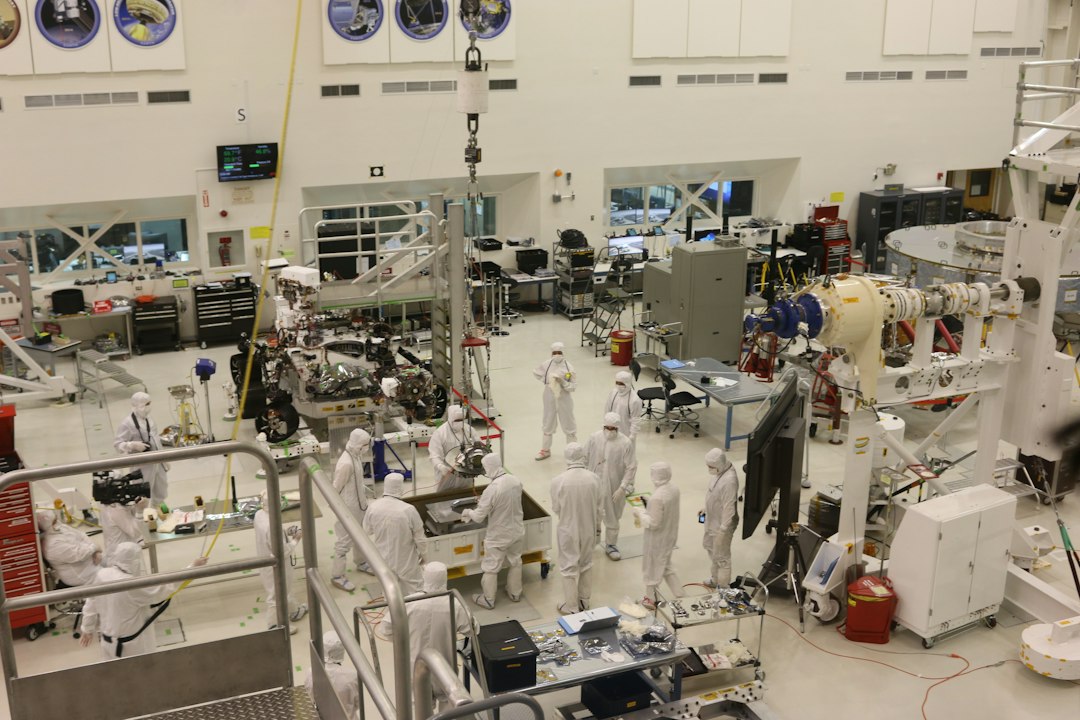
During a July 2025 showcase, the Vera Rubin Observatory unveiled extraordinary deep-sky imagery, including the celebrated Cosmic Treasure Chest photog...
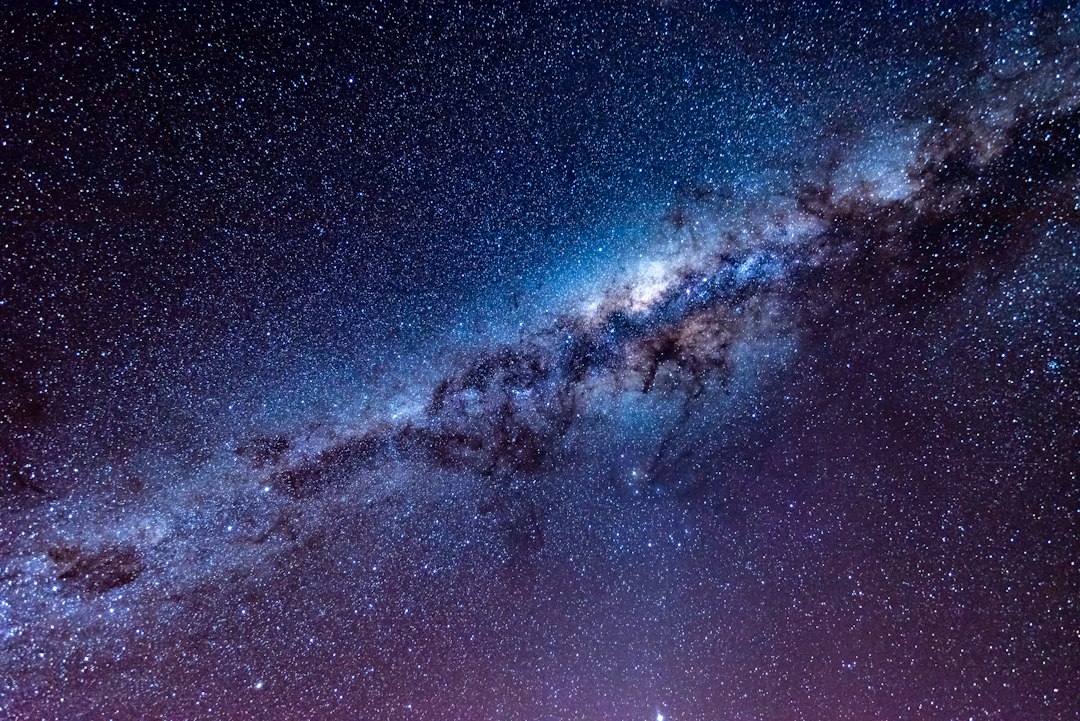
Despite their fame, black holes remain deeply mysterious. Their very name conjures misleading images, obscuring the fascinating gravitational phenomen...
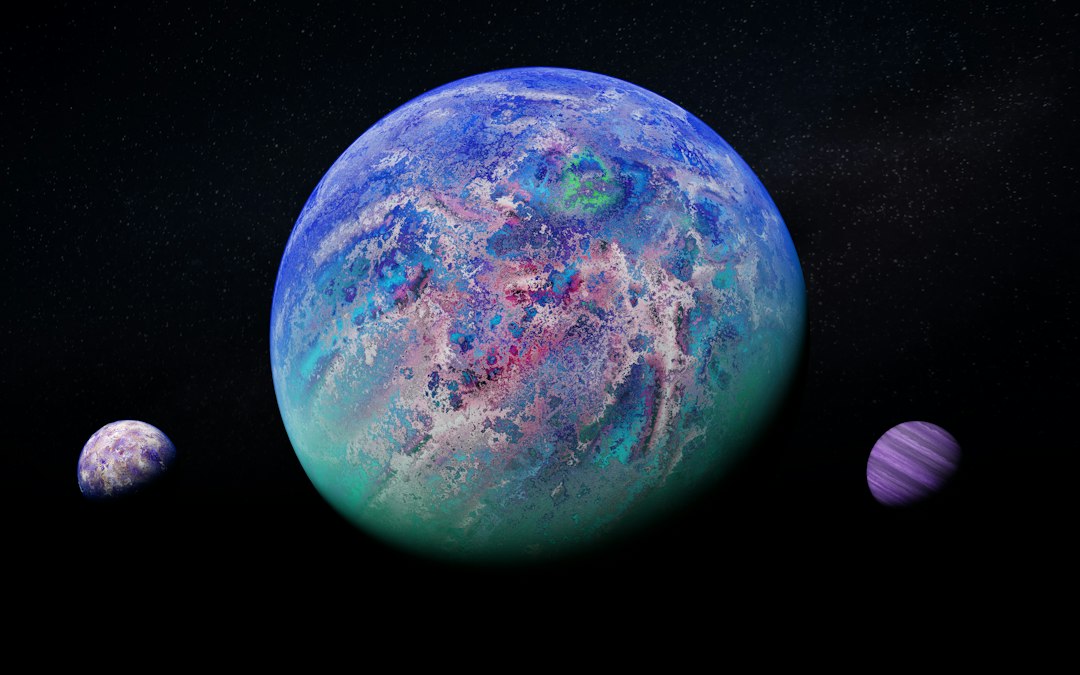
Backed by Google's former chief Eric Schmidt, the Lazuli scope boasts a 3-meter primary mirror—surpassing Hubble—and marks a new era in privately fund...
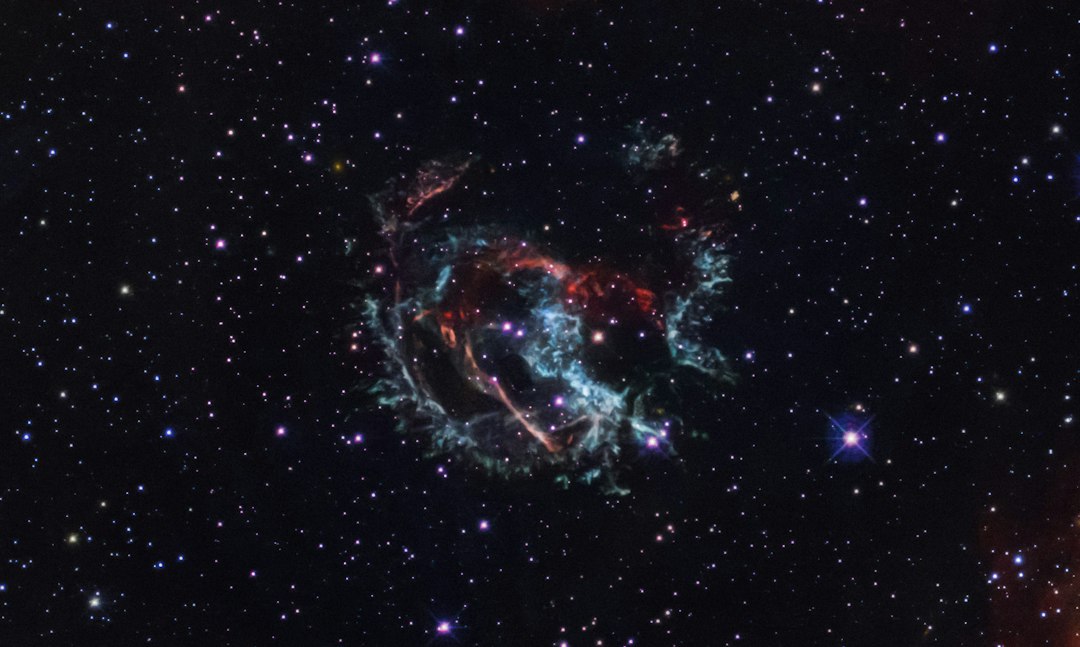
Our cosmos has transformed dramatically across its 13-billion-year lifespan. A crucial chapter called the Dark Ages began after Recombination, persist...
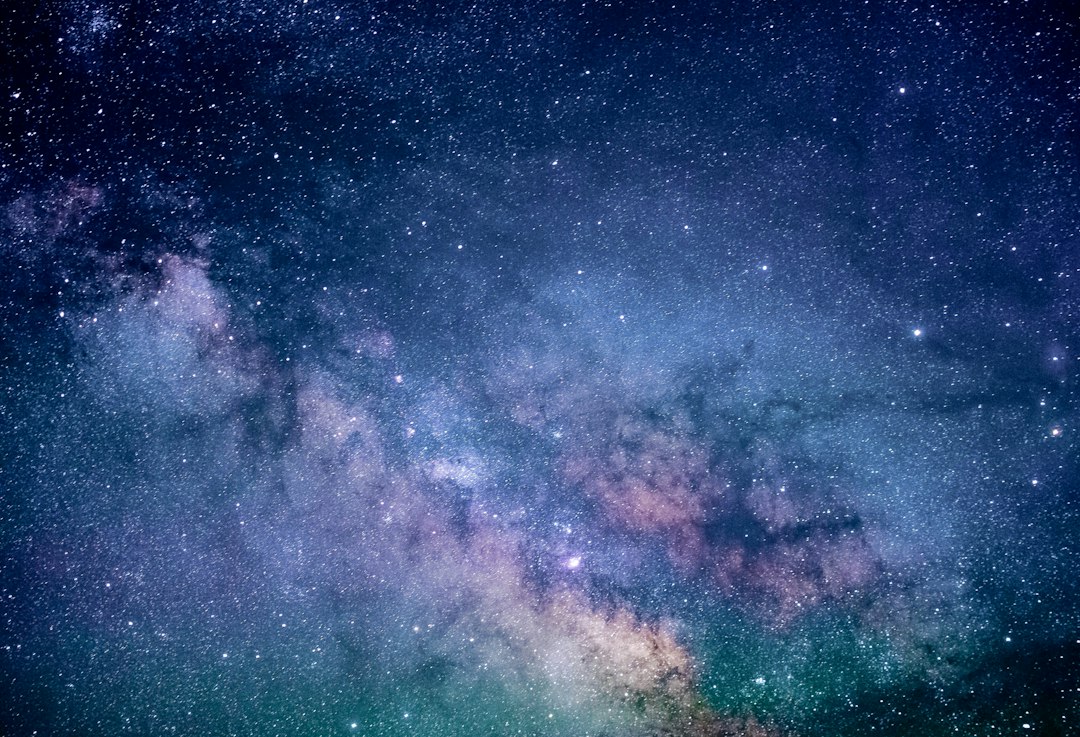
Leveraging powerful infrared technology, the Webb observatory has illuminated a nearby star-forming region, exposing dozens of previously unseen young...

New research challenges long-held assumptions about Mars being a dead world, revealing that tectonic forces may still be reshaping the Red Planet's in...
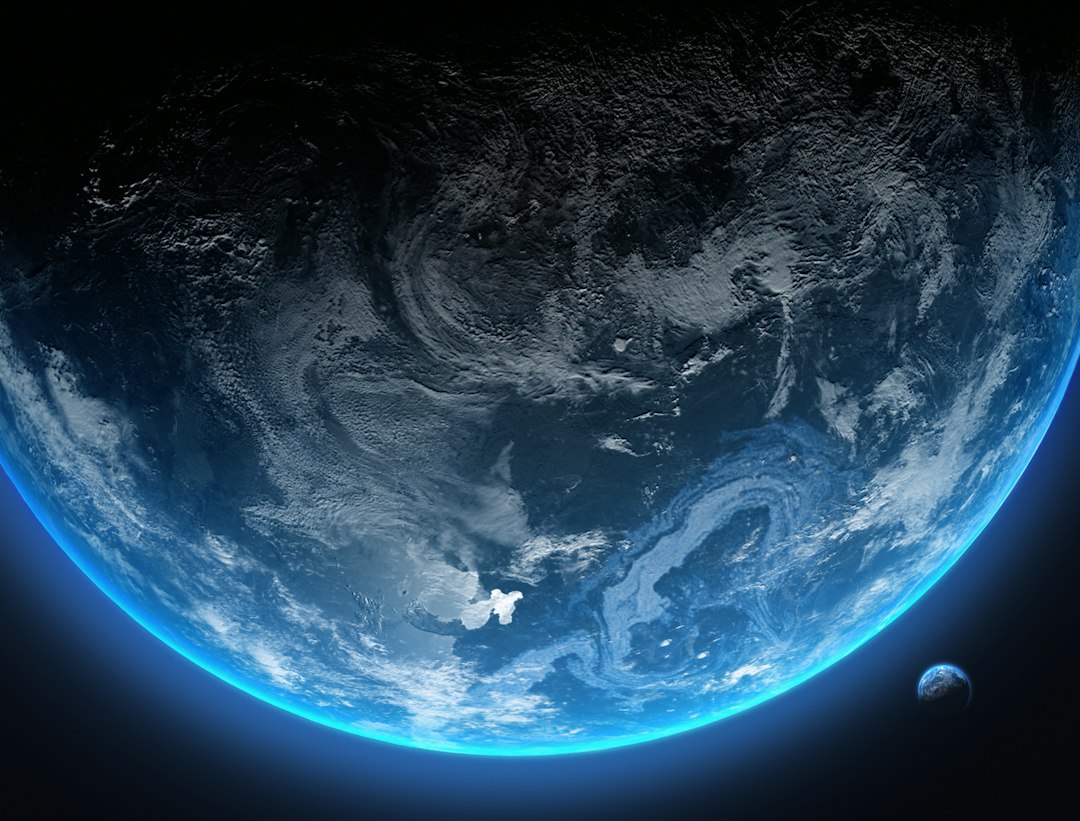
Harnessing a planet's air to slow and trap spacecraft into orbit sounds brilliant in theory—but executing aerocapture has stumped engineers for genera...
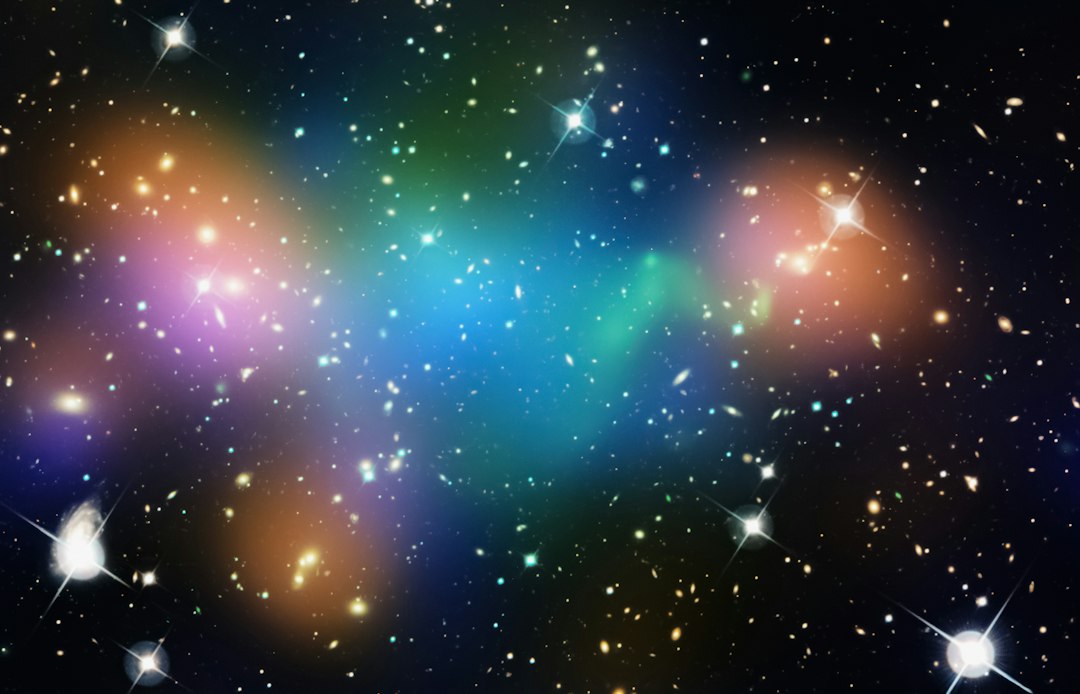
These elusive subatomic particles barely register in today's world, yet during the universe's fiery birth, they played a far more powerful role in sha...

Harboring hundreds of billions of stars in a sweeping spiral shape, the Milky Way possesses fascinating structural layers — including distinct regions...
Solar flare ribbons offer a rare direct connection between cutting-edge astrophysics and everyday life, unlike distant cosmic phenomena most people ne...

Billions of years ago, Mars harbored a much warmer, wetter environment. Researchers studying precipitation data from the Noachian and Hesperian period...
Neutron stars already boast extraordinarily powerful magnetic fields, dwarfing anything humans can generate by a factor of 100,000. Yet a rare subset ...