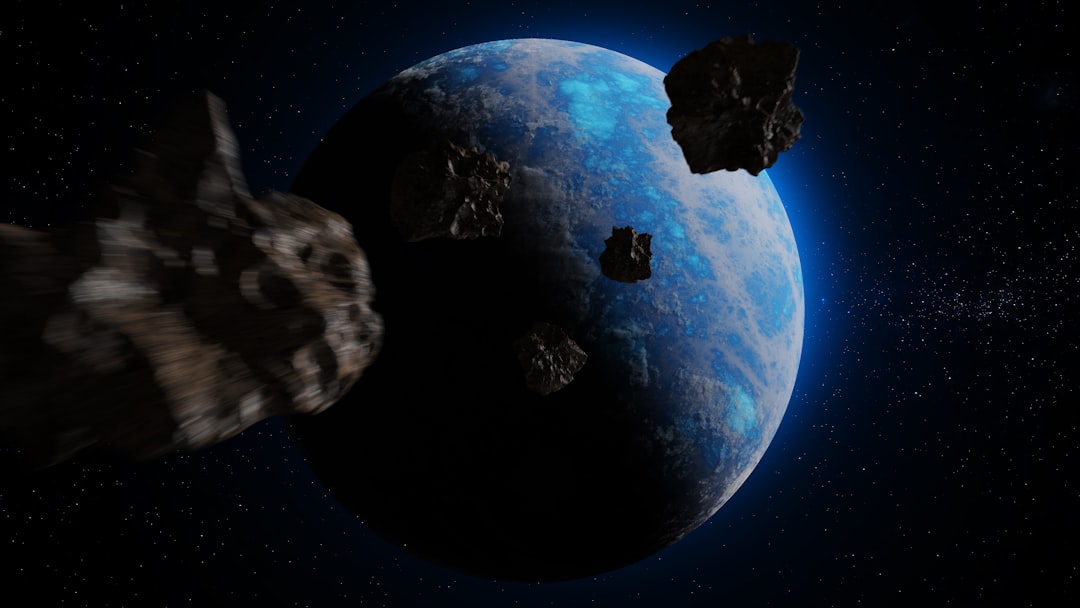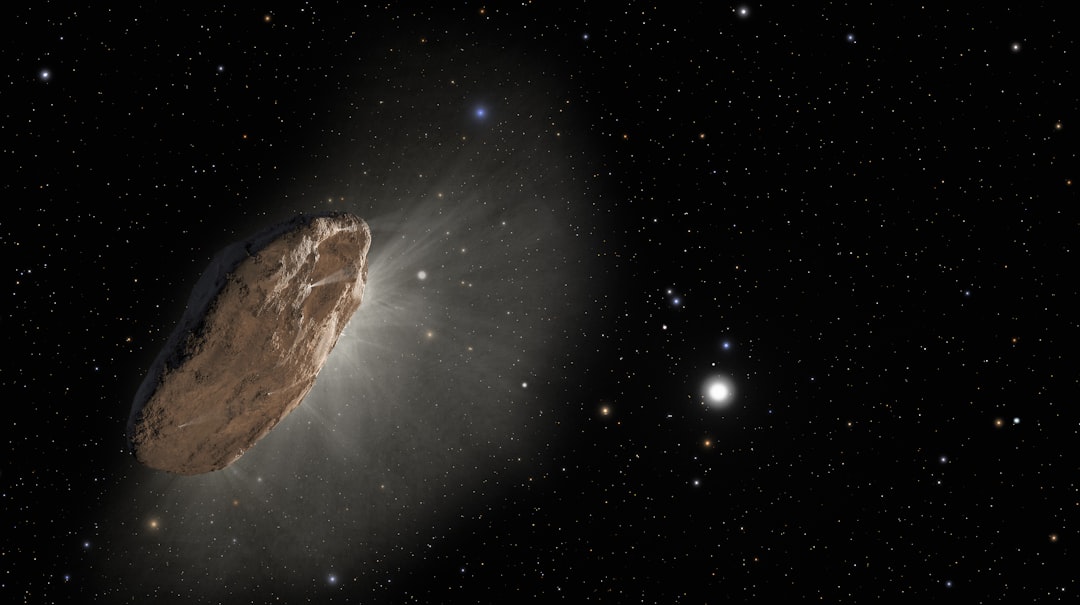
In an unprecedented event, asteroid 2024 YR4 became the first real-world test of Earth's planetary defense systems. This near-Earth object (NEO), discovered in December 2024 by the ATLAS survey, briefly reached level 3 on the Torino scale, indicating a concerning impact risk and prompting the first official notification of the International Asteroid Warning Network. A new paper by Maxime Devogèle and colleagues from ESA's NEO Coordination Centre, available in pre-print on arXiv, provides an in-depth analysis of this landmark event and its implications for future asteroid threat assessments.
The Torino Scale: Classifying Asteroid Impact Risks
Central to the 2024 YR4 event was its classification on the Torino scale, a system developed by Dr. Richard Binzel of MIT in 1995 to categorize asteroid impact threats based on probability and potential damage:
- Scale 0 (White): No hazard, miss or burn up in atmosphere
- Scale 1 (Green): Normal, impact extremely unlikely
- Scale 2 (Yellow): Meriting attention, close pass but unlikely impact
- Scale 3 (Orange): Concerning, >1% chance of localized destruction
- Scale 4 (Orange): Threatening, >1% chance of regional devastation
- Scale 5-7 (Red): Threatening, credible threat of regional to global devastation
- Scale 8-10 (Red): Certain collision with increasing destruction
On January 27, 2025, 2024 YR4 became the first asteroid ever to reach level 3, with a 3.1% impact chance by February 18. While asteroid Apophis briefly hit level 4 in 2004, it was quickly downgraded, making 2024 YR4 the most prolonged high-level Torino scale event to date.
Observing 2024 YR4: Mobilizing Astronomical Resources
The level 3 classification triggered the first activation of the International Asteroid Warning Network, established in 2014 after the Chelyabinsk meteor in 2013. This brought 2024 YR4 to the attention of astronomers worldwide, who rapidly mobilized powerful telescopes to characterize the asteroid:
- Catalina Sky Survey: Helped refine the asteroid's orbit
- Gran Telescopio Canarias: Analyzed surface composition and albedo
- Very Large Telescope: Measured rotation period of 19.5 minutes
These observations revealed that 2024 YR4 rotates much faster than typical "rubble pile" asteroids and is likely an Sq-type or K-type object. According to Devogèle:
"The rapid response and characterization of 2024 YR4 demonstrates the effectiveness of our planetary defense systems. Astronomers worldwide came together to assess this potential threat."
Ongoing Impact Risk: Threat to the Moon in 2032
While the risk of an Earth impact decreased with further observations, the chance of 2024 YR4 striking the Moon actually increased to ~4% for 2032. Such an impact could create a debris cloud endangering satellites orbiting Earth.
This residual risk highlights the need for continued monitoring and potential mitigation planning. As Devogèle notes:
"Though the threat to Earth has diminished, we must remain vigilant and prepared. The potential lunar impact in 2032 underscores the importance of long-term tracking and characterization of near-Earth asteroids."
Implications for Planetary Defense: Lessons Learned
The 2024 YR4 event provides valuable insights for refining our planetary defense strategies. Key takeaways include:
- Rapid, coordinated response from discovery to characterization
- Effective communication and escalation protocols
- Importance of long-term monitoring beyond immediate threats
- Need for flexible mitigation plans adaptable to evolving risks
As we continue to discover and track NEOs, these lessons will inform the ongoing development of robust planetary defense systems. While 2024 YR4 ultimately posed no threat to Earth, it served as an invaluable real-world test of our asteroid response capabilities. As Devogèle concludes:
"The 2024 YR4 event showcased the strengths of our planetary defense network and identified areas for further improvement. By learning from this experience, we can better prepare for future asteroid encounters and protect our planet from potential impacts."
As we look to the future, missions like NASA's DART and ESA's Hera will further advance our asteroid deflection and study capabilities. The lessons from 2024 YR4 will undoubtedly shape these efforts, bringing us closer to a comprehensive planetary defense solution. While the specter of a catastrophic asteroid impact still looms, events like this demonstrate that we are steadily building the knowledge and tools needed to confront this cosmic threat.